By The Forum
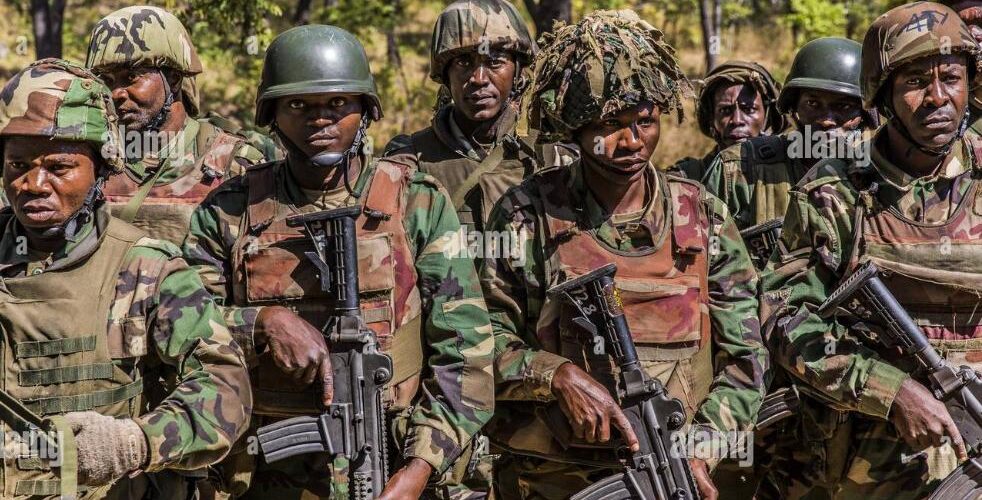
Can anyone explain what the Malawi Defence Force (MDF) was doing at the protests organized by Citizens for Credible Elections (CCE)? The demonstrations were a response to what CCE describes as electoral commission incompetence that could compromise the integrity of the September 16 elections.
Back in 2019, amid protests over a disputed election, the military struck a delicate balance: it protected property while respecting the right to peaceful assembly. Those protests were organized by the Human Rights Defenders Coalition and earned the military public praise for professionalism.
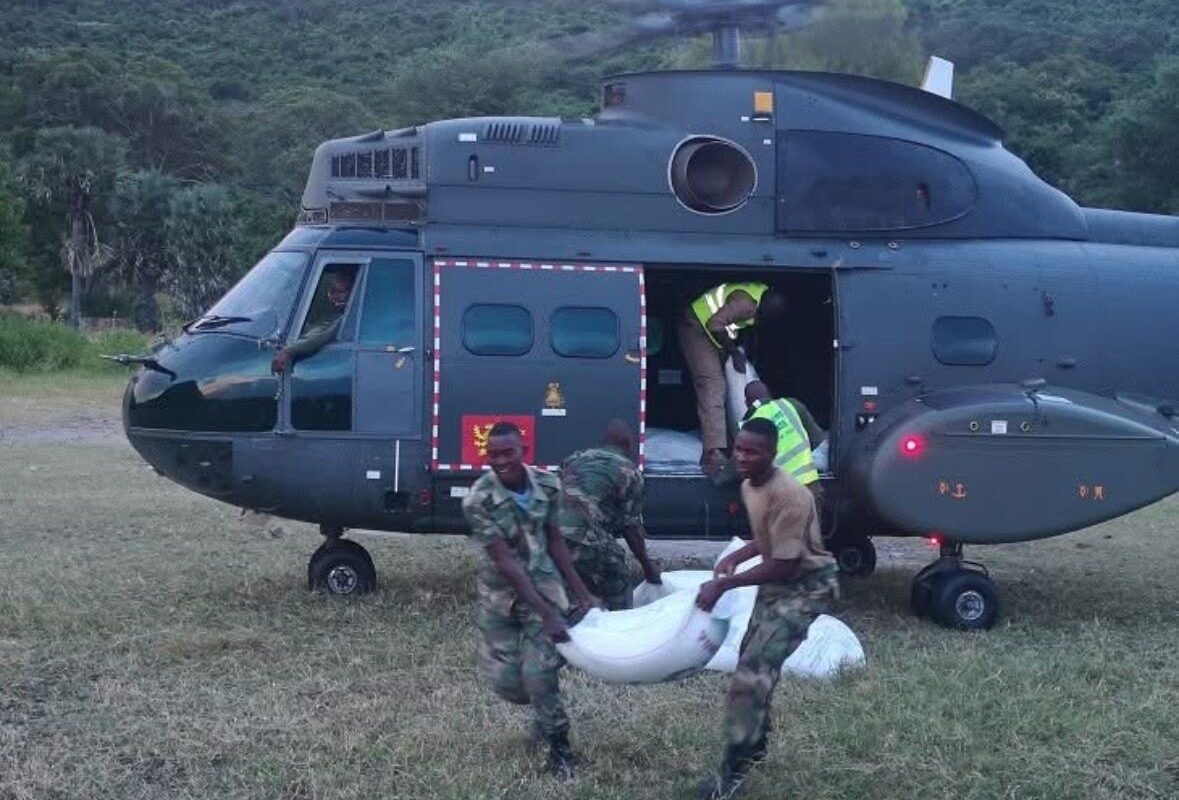
Fast forward to the CCE-led protests a few days ago. The military showed up again. Given its legacy — from Operation Bwezani, which dismantled the Malawi Young Pioneers during the push for multiparty democracy — the public had reason to feel reassured. But this time, the MDF stood by and did nothing as violence erupted.
Local and international voices have spoken in one voice condemning the violence. Some are calling for the resignation of the chief of police. And comparisons have been drawn between current MDF commander General Paul Valentino Phiri and his predecessor, General Vincent Nundwe, whom President Chakwera reinstated in 2020 after defeating Peter Mutharika.
Videos of Nundwe have resurfaced, drawing admiration for his boldness. At one commissioning event attended by Chakwera, Nundwe declared:
- The Office of the President and Cabinet should not dictate military promotions.
- The MDF is governed by professional procedures, not political lobbying.
- Officers seeking political favor should leave the military.
- The MDF exists to serve all Malawians, without interference.
These comments earned Nundwe applause.
Now, people are asking: what changed? Why did General Phiri’s MDF do nothing? He may argue he hasn’t politicized the institution, but when a force known for integrity chooses silence in the face of violence, inaction does become complicity. No? Refusing to act against wrongdoing isn’t neutrality but endorsement.
Political violence in Malawi isn’t new and it has its beneficiaries. But if we want a different future, where violence is neither tolerated nor weaponized, we must listen to voices like Brian Kapito’s. He’s done with performative outrage. So is The Forum, also known as the Media Forum for Effective Governance. The call is simple: take a position and then get off our backsides and get to work. Read Brian Kapito’s suggestion: Click here.
—
Also Read: Race against time: Malawi deploys military to deliver fertiliser as FISP lags
Related: Malawi opposition figure plots non-violent anti-violence protest
Related: Military guards Malawi ballots as first consignment lands before September 16