Malawi’s growing mining, construction and technology sectors demand a workforce with practical skills. Expanding vocational and technical education could reduce dependence on foreign expertise, create jobs and lay the foundation for sustainable economic growth.
OPINION | Guest Essay | Nkhondo Lungu
Technical skills are often overlooked in education policy, yet they are essential to national development. Imagine a country with thousands of mechanics but no vehicles to repair, or a country full of vehicles but without anyone qualified to service them. Progress depends on balancing knowledge with practical ability.
Across much of the developing world, education systems continue to emphasise theory, memorisation and examinations while placing less value on hands-on learning. That imbalance leaves many graduates with qualifications but without the practical skills employers and industries need.
Vocational and technical education should therefore be treated as a cornerstone of Malawi’s development strategy. Young people must be equipped to build, manufacture, fabricate, repair, maintain and innovate. Practical skills are not secondary to academic learning; they are essential to translating knowledge into economic productivity.
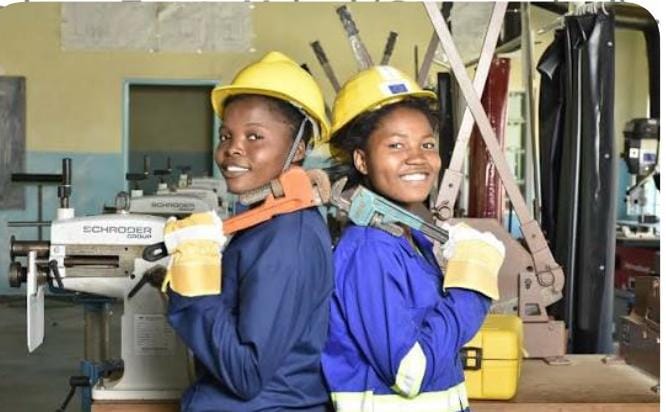
The demand for skilled trades is already evident. Electricians, plumbers, welders, mechanics, carpenters, masons, heavy equipment operators, HVAC technicians, construction specialists, computer technicians and industrial machine operators are all critical to a modern economy. Expanding technical colleges and vocational training centres would help meet these growing needs.
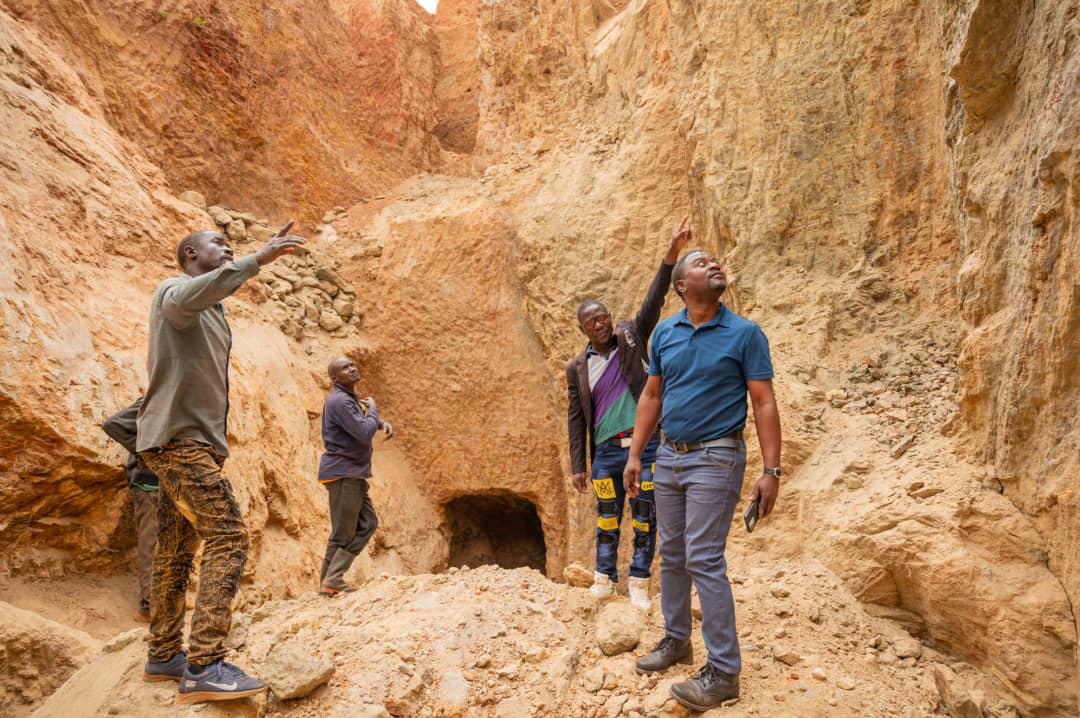
The case becomes even stronger as Malawi develops its mining industry. The discovery of valuable mineral deposits, including rutile, presents a rare economic opportunity. If managed wisely, these resources could generate significant national income over the coming decades.
However, extracting maximum value requires more than simply exporting raw minerals. Malawi must develop the capacity to mine, process and refine these resources locally. The greater the share of the value chain that remains in Malawi, the greater the benefits for the economy through jobs, skills development and industrial growth.
Achieving that goal requires investment in people. Malawians should be trained in mining, engineering, metallurgy, equipment maintenance and other specialised technical fields that support the sector. Vocational institutions should combine classroom instruction with apprenticeships and industry placements so graduates leave with practical experience as well as qualifications.
A strong domestic skills base would reduce reliance on foreign expertise while creating employment opportunities for local communities. It would also encourage innovation, entrepreneurship and the growth of supporting industries that can supply goods and services to major projects.
Malawi has already made progress by establishing technical colleges and vocational training institutions. That momentum should continue. As technology evolves and industries become more specialised, training programmes must also adapt to meet changing labour market demands.
The need for technical education extends well beyond mining and construction. Healthcare requires trained professionals such as medical assistants, dental hygienists, emergency medical technicians, radiology technologists and other support staff who play vital roles in patient care.
The technology sector also demands practical expertise. Cybersecurity specialists, network administrators, IT support professionals and systems technicians are increasingly essential as businesses and government services become more digital.
Likewise, careers in cosmetology, culinary arts, automotive technology and other service industries deserve greater investment. These professions create employment, support small businesses and contribute meaningfully to economic growth.
Not every student will pursue a university degree, nor should that be the only measure of success. A modern economy needs skilled artisans and technicians alongside academics and professionals. Recognising the equal value of vocational careers would help address unemployment while supplying industries with the workforce they require.
Malawi’s long-term prosperity will depend not only on the natural resources beneath its soil but also on the skills of the people above it. Investing in technical education is therefore not simply an education policy — it is an economic strategy that can strengthen industries, create sustainable jobs, foster innovation and position the country for lasting growth.
—
Also Read: Malawi overhauls curriculum to align education with skills, industry needs
Related: Malawi’s dirty soil problem — and the organic fix