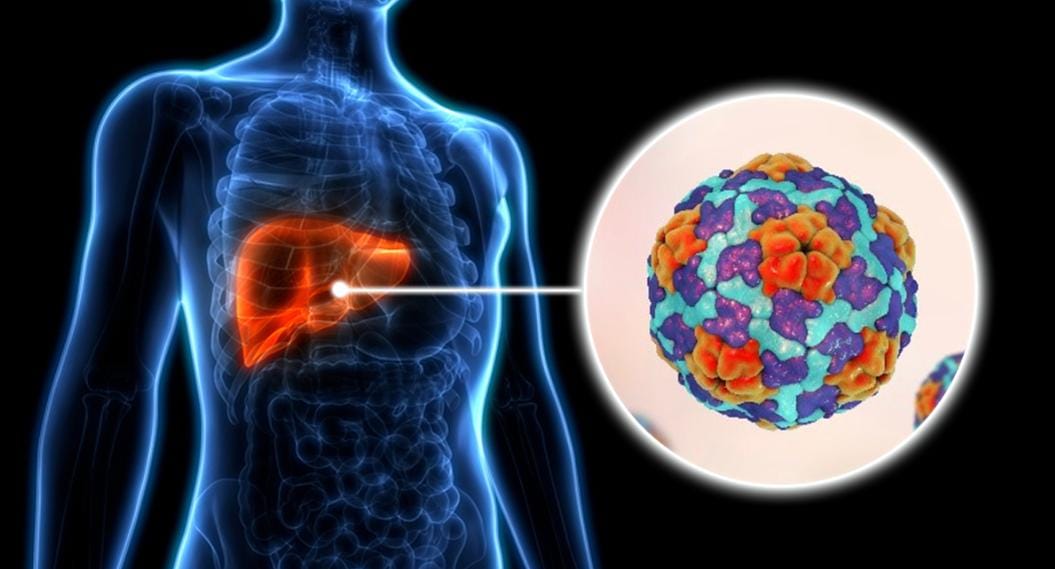
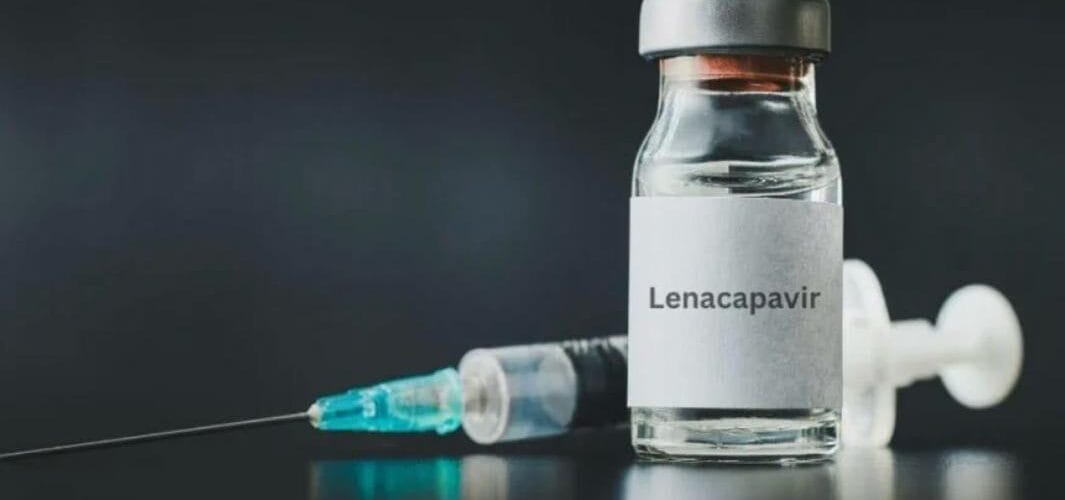
The long-acting HIV prevention drug, requiring just two injections a year, is expected to protect 38,000 Malawians in its first year as the country expands options to curb new infections among high-risk groups.
NEWS| Human | Edwin Mauluka
Malawi has launched Lenacapavir (LEN), a breakthrough long-acting HIV prevention medicine that protects against HIV infection with just two injections a year, marking a major step in the country’s efforts to end AIDS as a public health threat by 2030.
The rollout follows the World Health Organization’s recommendation that long-acting injectable pre-exposure prophylaxis (PrEP) be offered as an additional HIV prevention option for people at substantial risk of infection, alongside a comprehensive package of prevention services.
The WHO advises that Lenacapavir be delivered together with HIV testing, condoms, sexually transmitted infection services, behavioural interventions and other proven prevention strategies, allowing people to choose the option that best suits their circumstances.
Launching the programme at Area 25 Community Health Centre in Lilongwe, Minister of Health and Sanitation Madalitso Baloyi described Lenacapavir as one of the most significant advances in HIV prevention in decades.
“Today’s launch is not merely about introducing another medicine. It is about expanding hope, embracing scientific innovation and reaffirming our commitment to ensuring that every Malawian has access to safe, effective and people-centred HIV prevention services,” Baloyi said.
Baloyi said Malawi has made substantial progress in tackling HIV, with new infections falling by more than 80% since 2010 while the country has achieved global HIV treatment targets.
However, she said adolescent girls, young women and other high-risk populations continue to account for a disproportionate share of new infections, underscoring the need for innovative prevention tools.
“As a ministry we are continuing prevention of mother-to-child transmission and promoting male circumcision. On top of that, Lenacapavir offers another effective way to prevent the spread of HIV,” she said.
The launch was supported by the United States government through its partnership with the Government of Malawi and the Global Fund, making Malawi one of just 10 countries globally to receive the support.
Baloyi urged healthcare workers to provide respectful, confidential and high-quality services while encouraging traditional leaders, faith organisations, civil society, the media and communities to combat misinformation and promote equitable access to HIV prevention.
She also encouraged Malawians to know their HIV status and make informed decisions to protect themselves, their families and their communities.
US Embassy Chargé d’Affaires Jonathan Fischer said enough doses have been secured to protect 38,000 Malawians during the first year of the programme, with additional supplies expected over the next three years.
He said clinical trials found Lenacapavir to be more than 99% effective in preventing HIV infection and noted that the twice-yearly injection makes prevention more convenient, particularly for young women, pregnant women and people living in remote communities.
Minister of Gender, Children, Disability and Social Welfare Mary Thom Navicha said the introduction of Lenacapavir comes at a time when women and adolescent girls continue to bear a disproportionate burden of new HIV infections because of gender inequality, gender-based violence and unequal access to prevention services.
“We cannot talk about women’s empowerment, child protection or social protection if our women and girls are not healthy,” she said.
Navicha added that the new prevention option could also benefit vulnerable groups, including domestic workers and sex workers, who often face sexual exploitation and abuse.
She said the intervention would help accelerate Malawi’s efforts to eliminate AIDS as a public health threat by 2030.
The Ministry of Health began administering Lenacapavir on 1 July 2026, introducing it as an additional HIV prevention option in public health facilities nationwide.
The medicine expands Malawi’s existing HIV prevention toolkit. Oral PrEP was integrated into public and private health facilities in 2021, while the government launched an implementation study in Lilongwe and Blantyre in 2023 to introduce long-acting injectable cabotegravir (CAB-LA), which is administered every two months.
According to the National AIDS Commission, Lenacapavir will complement existing prevention measures, including oral PrEP, injectable CAB-LA, condoms, voluntary medical male circumcision, post-exposure prophylaxis (PEP) and behavioural interventions.
—
Also Read: Malawi rethinks HIV fight: New engagement model blends science and community knowledge
Related: Malawi’s HIV treatment gains at risk as viral load testing delays hit 3 districts