Mary Chilima says the first investigation into the 2024 military plane crash left critical questions unanswered, as other bereaved families describe delayed searches, damaged personal belongings and lingering doubts over what happened.
NEWS | Investigation | Edwin Mauluka
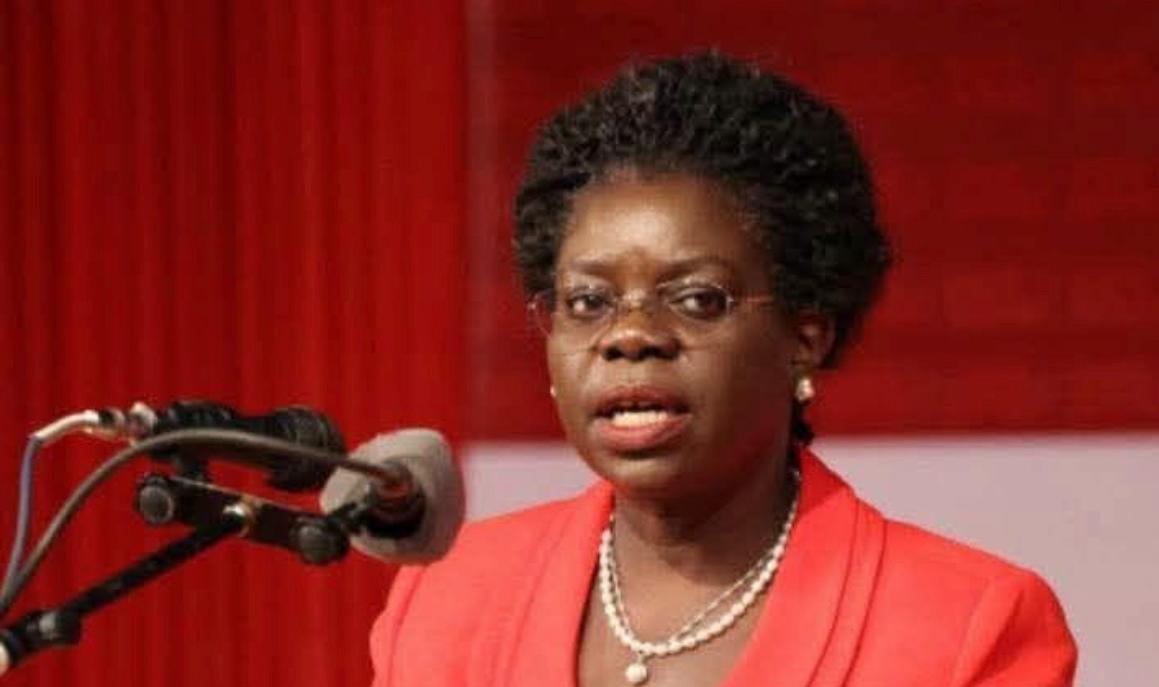
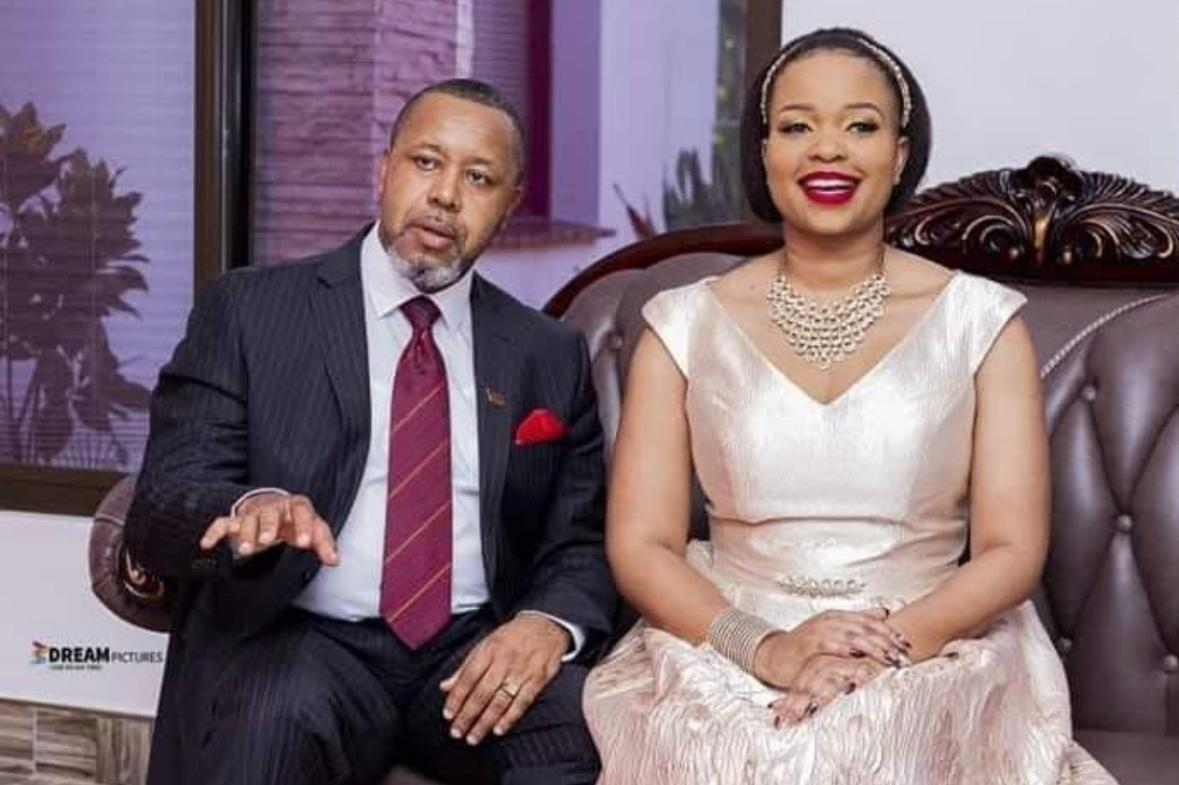
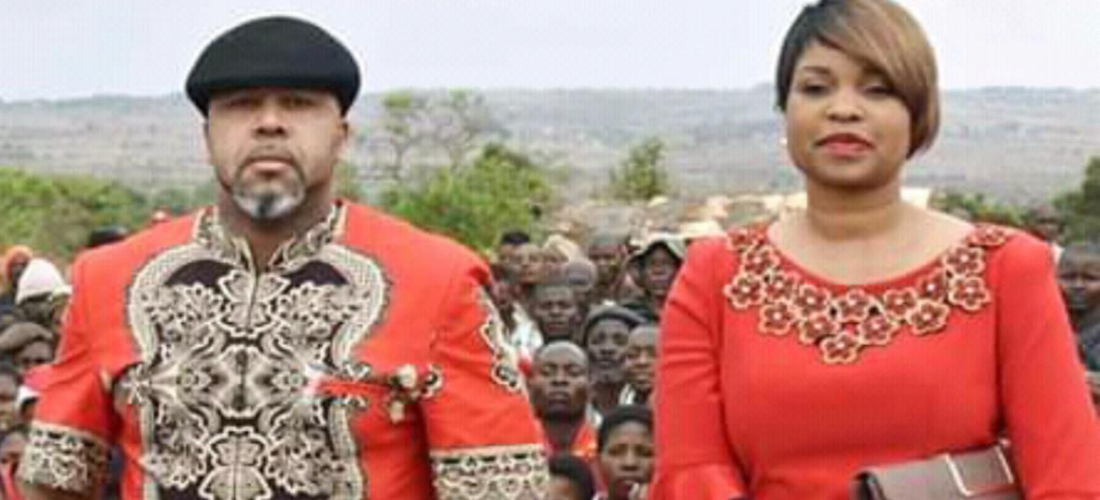
Former vice-president Saulos Chilima’s widow, Mary Chilima, says she hopes the new parliamentary inquiry into the June 10, 2024 military plane crash will finally answer the questions that have haunted her family for two years.
Appearing before the Parliamentary Ad Hoc Committee investigating the crash, which killed Chilima and eight others, Mary said she was never satisfied with the findings of the first inquiry commissioned under former president Lazarus Chakwera.
“Maybe the closure will come through this inquiry. We will find out if there was any foul play or not,” she told the committee. “Let me state that I was not satisfied with the findings of the first report for several reasons.”
She said the earlier investigation left her family with more questions than answers.
Among her concerns was the decision by search teams to seek assistance from South Africa to locate the aircraft’s Emergency Locator Transmitter (ELT), despite claims that the Malawi Defence Force already knew the device had not been operational for years.
“The ELT died in 2004,” she said. “If they knew it was not working, why ask for help to locate it?”
Mary also questioned why the aircraft appeared to follow a different route on its flight from Lilongwe to Mzuzu.
“Previous reports show that the route was changed without a meteorological report. How did this happen?” she asked.
She further criticised the previous inquiry for failing to examine radio communications between the flight crew and Mzuzu Airport tower shortly before the crash.
According to her testimony, aide-de-camp Chisomo Chimaneni reported severe turbulence to Winnie Nyondo at 10:10am. Yet two minutes later, the pilot reportedly spoke to Mzuzu Airport tower without raising concerns about the weather.
“So, what should we believe?” she asked.
Mary also questioned the timeline of the search operation.
She said aviation authorities had established by about 11:30am that the aircraft was missing and that President Chakwera had reportedly been informed shortly afterwards. Yet, according to the previous inquiry, a formal search operation was only launched after a 3pm meeting convened by the president.
“Chilima was always quick to respond to emergencies,” she said. “So, what delayed this search?”
She also criticised the earlier investigation for failing to identify who ordered search teams to suspend operations overnight on June 10 and resume the following morning at Mphara Hill, where the wreckage was eventually found.
“What saddens me the most is thinking that the nine people were left alone in the forest when someone appeared to know where the aircraft had crashed,” she said.
Mary also questioned why no toxicology report had been produced for one of the pilots and asked what reforms, if any, had been implemented following the recommendations of the first inquiry.
She told the committee she only learnt of the crash about five hours after it occurred through family friend Grace Valera. When she wanted to travel from Lilongwe to join the search, she was told there was little point because nobody knew where the aircraft had gone down.
She said authorities only returned two of her husband’s mobile phones after a month of persistent follow-up.
“Why were they holding on to them? We were only given two phones after a month. We are missing one,” she said.
Earlier, she had received Chilima’s watch, rosary, ring, bracelet, briefcase and jacket, which she said still smelled of jet fuel.
Asked about Chilima’s relationship with then-president Chakwera, Mary described it as strained.
“It was not all good. We experienced a lot, and some of it was public while other things we do not talk about. We were coming from a corruption case, and that in itself says a lot,” she said.
She also revealed that the families of the nine victims were unable to secure a meeting with President Chakwera despite repeatedly seeking answers.
The committee later heard testimony from Sarah Lapukeni, widow of deputy chief of protocol Abdul Lapukeni, who said she was distressed by both the condition of her husband’s remains and the state of his mobile phone, which appeared to have been smashed.
She recalled that during the previous inquiry, the committee chairperson — whom she noted was a fellow Muslim — encouraged her not to ask further questions but instead accept what had happened.
“So I just accepted and did not proceed to ask about it,” she said.
Earlier in the proceedings, Taona Aidin, widow of aircraft engineer Major Wales Aidin, suggested her husband had deliberately dumped fuel in an attempt to prevent the aircraft from catching fire after impact.
She urged investigators to establish who her husband last communicated with before the crash, arguing that the information could provide important clues.
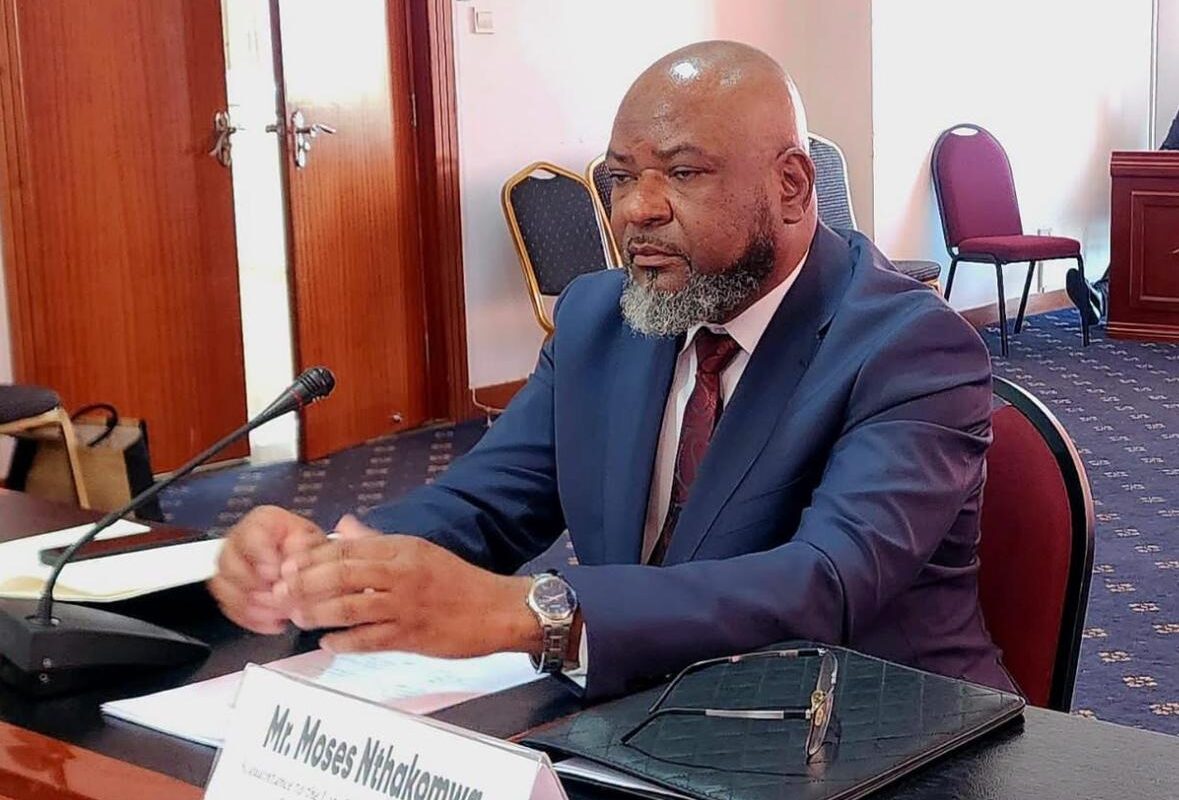
Former National Intelligence Service director general Dokani Ngwira also appeared before the committee but did not testify.
According to The Nation publication, Ngwira said he first needed clearance from his former office because some of the information sought by the committee could be classified.
—
Also Read: Chilima widow applauds new probe as MCP questions inquiry neutrality