
OPINION | Migration, Economic Crisis and Governance Failures | Anthony Simwaka
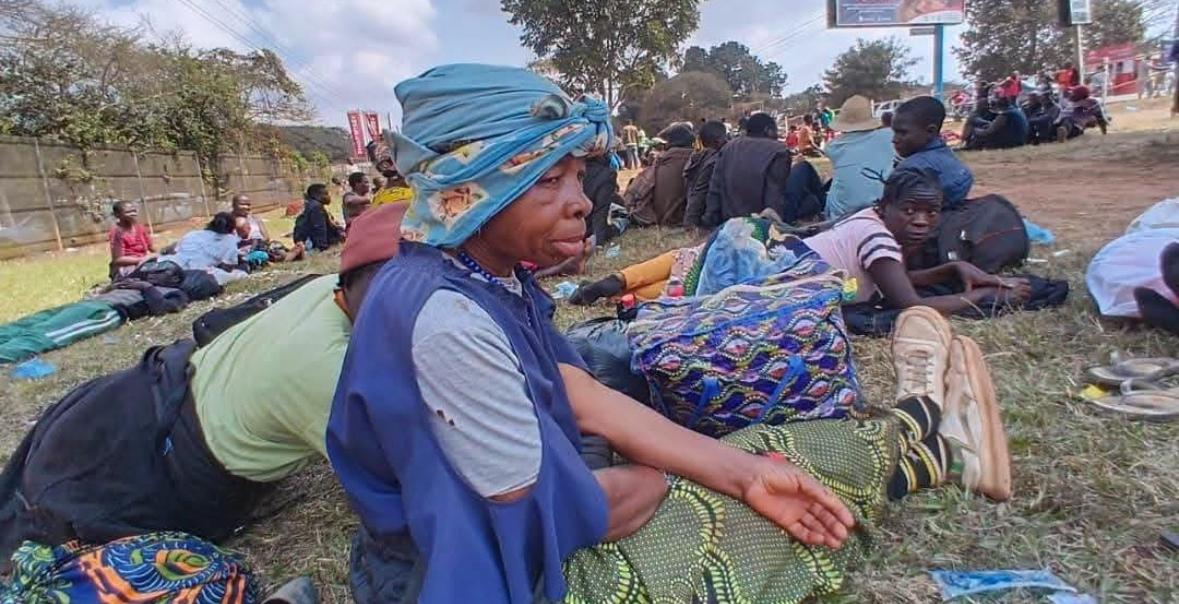
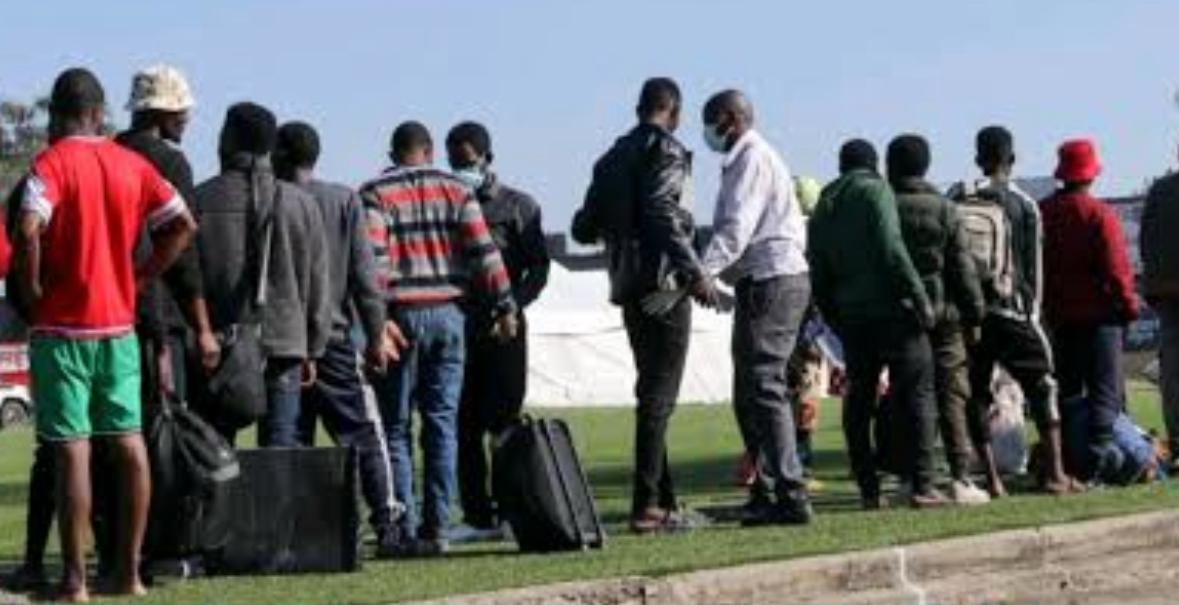
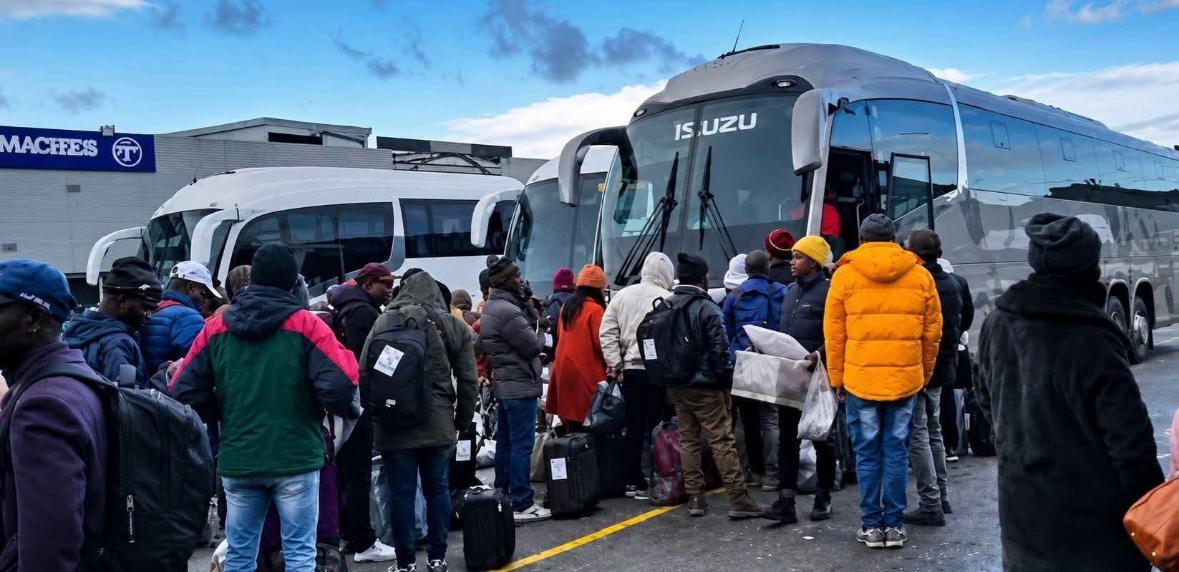
The ongoing immigration crackdown in South Africa, forcing foreign nationals from several African countries to leave, has reignited debate over what drives irregular migration from Malawi, the wider southern African region and beyond to Africa’s most industrialised economy.
Across social media platforms and community forums, the conversation has exposed a growing divide. Some argue that Malawi needs stronger civic education on travel requirements and immigration rules. Others insist that the real issue is far deeper: a struggling economy that continues to push citizens to seek survival elsewhere.
A recurring concern is the growing number of Malawians travelling to South Africa without proper documentation. Many cross borders “as if they are going to their village” — a pattern also seen among those travelling to Zambia, Tanzania and Mozambique. The consequences are often severe: deportations, loss of property, financial hardship and public humiliation.
Those calling for increased civic education argue that many migrants lack basic knowledge of visa conditions, work permit requirements and the consequences of overstaying visitor permits. They also point to Malawi’s own weak enforcement of immigration laws, where foreigners — including some former refugees — have operated businesses without proper documentation, creating unrealistic expectations about how other countries manage migration.
But many argue that lack of awareness is only a small part of the problem.
For thousands of Malawians, migration is less a choice than a desperate response to economic hardship, unemployment and limited opportunities at home.
Despite repeated deportations, some continue returning to South Africa because they see it as their only realistic chance of earning a living. There are accounts of migrants hiding from authorities, crossing dangerous rivers and overstaying visitor permits simply to send money home.
The image of Malawians selling vegetables on South African streets has become a symbol of a wider economic crisis — citizens leaving their country not because they want to, but because they see few alternatives.
Even those with valid passports often struggle to secure work opportunities. Limited specialised skills demanded by South African employers make obtaining legal employment difficult, leaving some to view irregular migration as their only route to survival.
Commentators argue that breaking this cycle requires more than awareness campaigns and tighter border controls. Malawi must confront the economic conditions driving migration by creating jobs, expanding opportunities and restoring confidence that citizens can build sustainable livelihoods at home.
Without meaningful economic transformation, they warn, deportations and tougher immigration policies in South Africa will only treat the symptoms while leaving the underlying crisis unresolved.
The debate has also renewed scrutiny of Malawi’s austerity measures. While the government argues that cutting unnecessary spending is essential, critics question whether current reforms are targeting the biggest areas of expenditure.
More than 60 percent of the national budget reportedly goes towards public sector wages and benefits, with critics arguing that senior management costs require closer examination.
They contend that genuine austerity must include reforming contractual employment in government, where some workers receive repeated contract renewals and significant payouts despite functioning in roles similar to permanent positions. Such spending, they argue, could instead support development projects capable of creating jobs, including large-scale agricultural investments such as mega farms.
Some have called for a review of earlier public administration models, including those under the Kamuzu Banda era, where civil service structures were more rigid and tightly controlled. They argue that contractual employment should be reserved for positions where performance-based renewal and accountability are central.
Ultimately, the migration debate is a reflection of a larger national question: why are so many Malawians willing to risk hardship abroad rather than build their futures at home?
As South Africa tightens immigration controls and prioritises opportunities for its own citizens, pressure is mounting on Malawi to address the economic and governance failures that continue to push its people across borders.
—
Also Read: Malawi begins repatriating citizens as anti-migrant protests escalate in South Africa
Relataed: south-africa-anti-migrant-backlash-malawi-wake-up-call