
GOVERNANCE | Justice & Accountability | Edwin Mauluka
Malawi’s Independent Complaints Commission (ICC) is pushing for legal reforms that would strengthen its oversight role and clearly define the types of complaints it is mandated to investigate.
The Commission wants the government to review the Malawi Police Act of 2010 and establish a standalone law governing its operations.
“One of the issues we want to address in our strategic plan is ensuring that we have an independent Act that enables us to operate independently,” ICC Deputy Director of Investigations Grant Kankhulungo told journalists in Lilongwe on Tuesday.
“Although we are already operating independently, we need provisions that will strengthen the implementation of our recommendations.”
According to Kankhulungo, an independent legal framework would clarify the Commission’s mandate and help manage its growing caseload.
Currently, the ICC receives complaints that could be handled by the Malawi Police Service’s Professional Standards Unit, placing additional pressure on its limited resources.
“There are cases that can be managed by the police through the Professional Standards Unit, but they are coming to us. Some are minor issues that can be dealt with internally by the police,” he said.
The Commission also redirects complaints that fall outside its mandate to institutions such as the Anti-Corruption Bureau (ACB), the Office of the Ombudsman and the Malawi Human Rights Commission (MHRC).
Beyond legal limitations, the ICC is grappling with severe resource constraints. Kankhulungo said inadequate funding has left the institution short of personnel, mobility and operational resources.
“The establishment of the Commission is only at 30%, with a limited number of investigators and legal personnel. We have only seven investigators covering the entire country,” he said.
To address the challenge, the Commission is engaging government on a functional review aimed at creating additional positions and establishing regional offices across the country’s policing regions.
At present, the ICC operates solely from Lilongwe.
Kankhulungo said decentralising operations would enable the Commission to respond more quickly to complaints from across Malawi and reduce the time taken to complete investigations.
Established in August 2021, the ICC is responsible for receiving and investigating complaints against the Malawi Police Service and its officers.
Among the cases it handles are allegations of corruption and abuse of office.
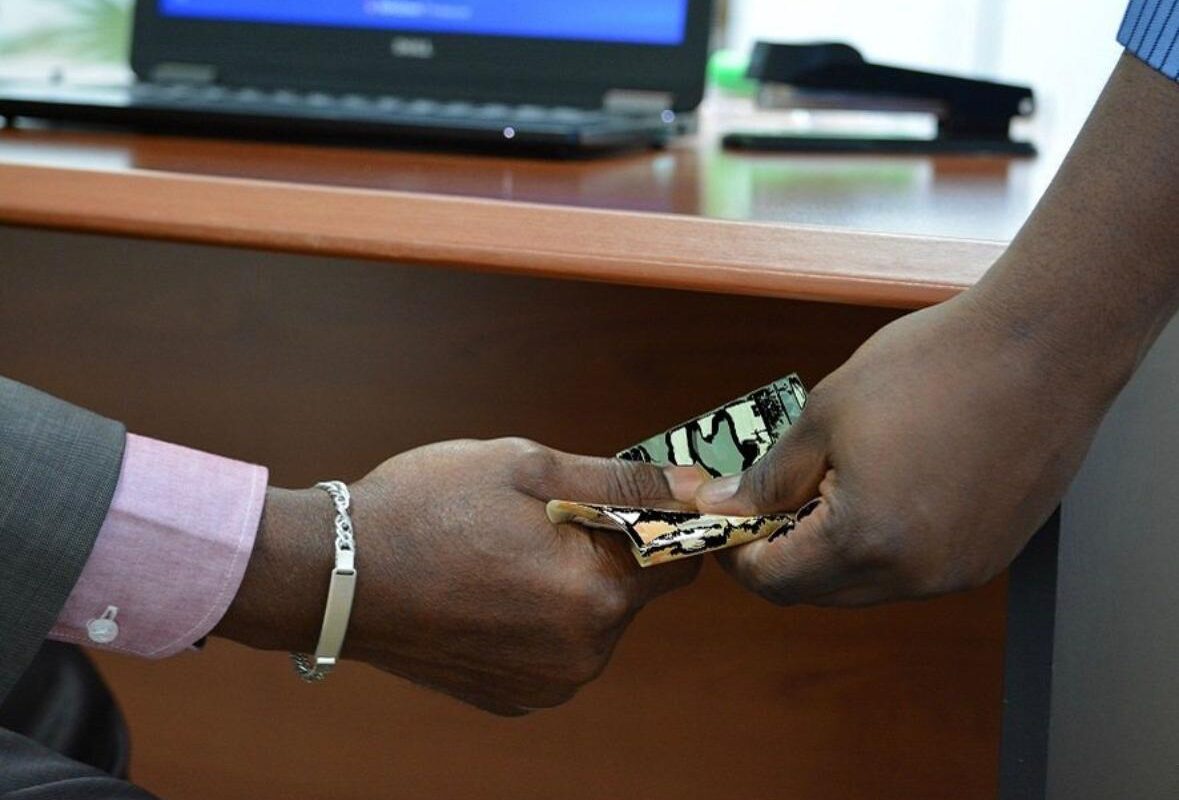
“We have had cases where police officers have taken money from individuals either for the issuance of bail or as bribes in exchange for assistance,” Kankhulungo disclosed.
The Commission’s recommendations are directed to different authorities depending on the nature of a case. Policy-related recommendations are submitted to the Minister of Homeland Security, while disciplinary matters are referred to the Inspector General of Police.
“We also make recommendations to the Police Service Commission and any other authority we consider relevant, including the Office of the Director of Public Prosecutions,” he said.
Kankhulungo said the Office of the Director of Public Prosecutions has been particularly responsive, supporting the ICC in prosecuting several cases.
“We have secured three convictions so far, and there has been a very positive response from the Office of the Director of Public Prosecutions,” he said.
He added that cooperation from the Malawi Police Service has also improved, with increased compliance with the Commission’s recommendations.
The ICC is an independent governance oversight body established under Sections 128 to 148 of the Police Act. Its mandate is to promote accountability, professionalism, discipline, respect for the rule of law and the protection of human rights within policing institutions.
—
Also Read: Cold. Disgusting. Murderous: Do-nothing Malawi police watch protesters attacked