The first group of 150 Malawians has left South Africa under a voluntary repatriation programme as anti-migrant protests intensify and President Cyril Ramaphosa vows action against both vigilante groups and illegal immigration.
By Edwin Mauluka
Malawi has begun repatriating its citizens from South Africa amid growing anti-migrant protests in Africa’s most industrialised economy.
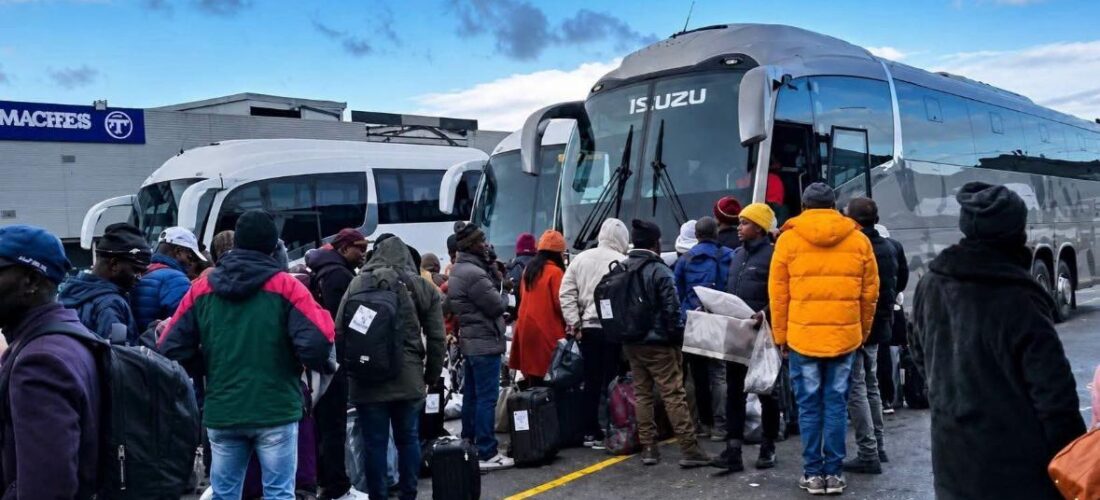
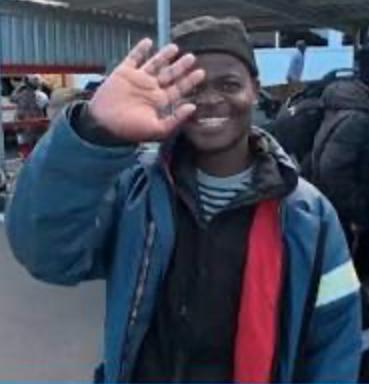
In a statement issued on Sunday, Malawi’s Ministry of Foreign Affairs and International Cooperation said the first two buses carrying 150 Malawian nationals under a voluntary repatriation exercise departed the Western Cape on Saturday, 6 June 2026.
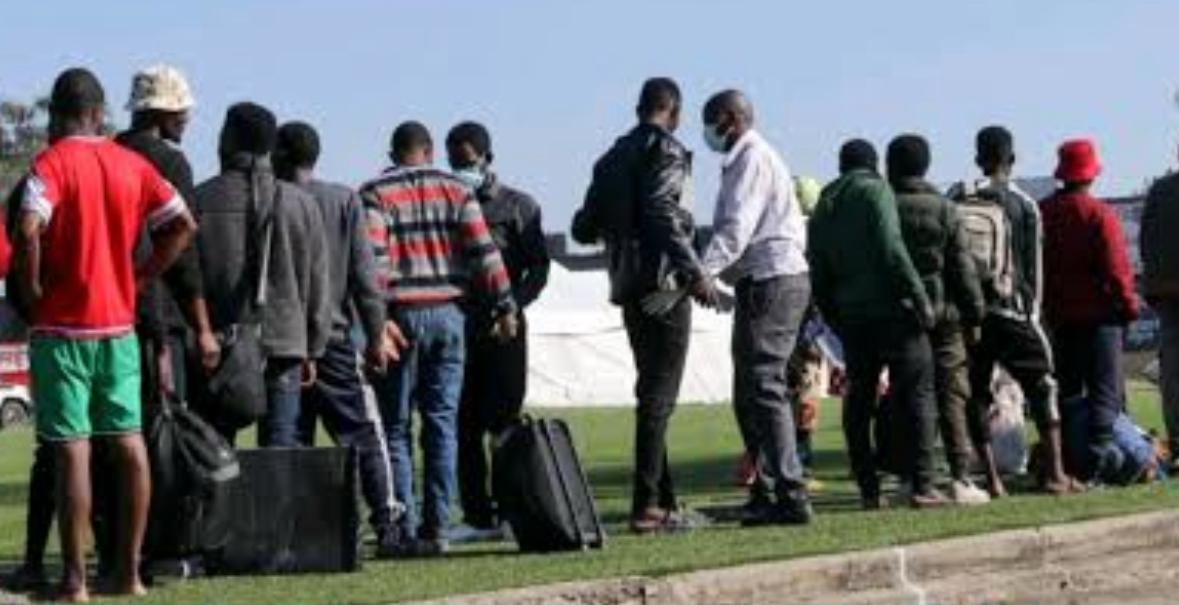
“The 150 Malawians are among a number of foreign nationals who were displaced and sought refuge in temporary camps in Mossel Bay, Western Cape Province. The evacuation and voluntary repatriation of the nationals was facilitated by a multidisciplinary Malawi Task Team deployed to the Western Cape under the coordination of the Malawi High Commission in South Africa,” the statement said.
The ministry said the group is expected to enter Malawi through Mwanza Border Post on Monday, 8 June, after travelling by road through Zimbabwe and Mozambique.
Upon arrival, the returnees will be taken to Kamuzu Stadium in Blantyre for processing before continuing to their respective destinations.
“The Ministry reaffirms its commitment to ensuring the safety and well-being of all affected Malawians and stands ready to provide the necessary transit and consular support in coordination with relevant government ministries, departments and agencies,” the statement added.
Last week, the ministry clarified that the repatriation programme would be limited to Malawian citizens who had formally requested assistance.
Anti-foreigner protests have intensified in recent months, with vigilante groups accusing migrants of taking jobs and demanding that undocumented foreigners leave the country by 30 June.
Speaking in a nationally televised address broadcast by eNCA on Sunday, South African President Cyril Ramaphosa reaffirmed his government’s commitment to international obligations on migration and the protection of human rights.
“No other person is allowed, for example, to confront someone in the street or in the pathways of our country to demand proof of identity,” Ramaphosa said.
“The responsibility for enforcing immigration laws rests with the state and the state alone. There have been weaknesses in the way migration has been managed in our country.”
Ramaphosa rejected claims that South Africans are inherently xenophobic, saying there was no place for xenophobia, racism, sexism, Afrophobia or any other form of intolerance in the country. He urged citizens not to align themselves with groups seeking to turn public frustration into hostility towards foreigners.
“We will and must not allow groups to use the legitimate concerns of South Africans to destabilise our country through inciting lawlessness and violence. We will act against forces exploiting concerns about illegal immigration to further their own political, personal and criminal agendas,” he said.
At the same time, Ramaphosa pledged stricter enforcement of immigration and labour laws.
“We will continue to engage other countries, including our sister countries on the African continent, to forge a broader response to migration challenges across our region and the continent,” he said.
South Africa remains a major destination for migrants seeking economic opportunities. However, critics argue that years of economic stagnation, high unemployment and governance failures under the ruling African National Congress (ANC) have fuelled public frustration over immigration.
The ANC, which has governed South Africa since the end of apartheid and the country’s first democratic elections in 1994, lost its parliamentary majority in the 2024 elections and was forced to enter a coalition government for the first time in its history.
—
Also Read: South Africa’s anti-migrant backlash is Malawi’s wake-up call