By Edwin Mauluka
People who defaulted on government-backed loans meant for economic empowerment have begun repaying, according to the Malawi Enterprise Development Fund (MEDF), following a 60-day moratorium announced in February.
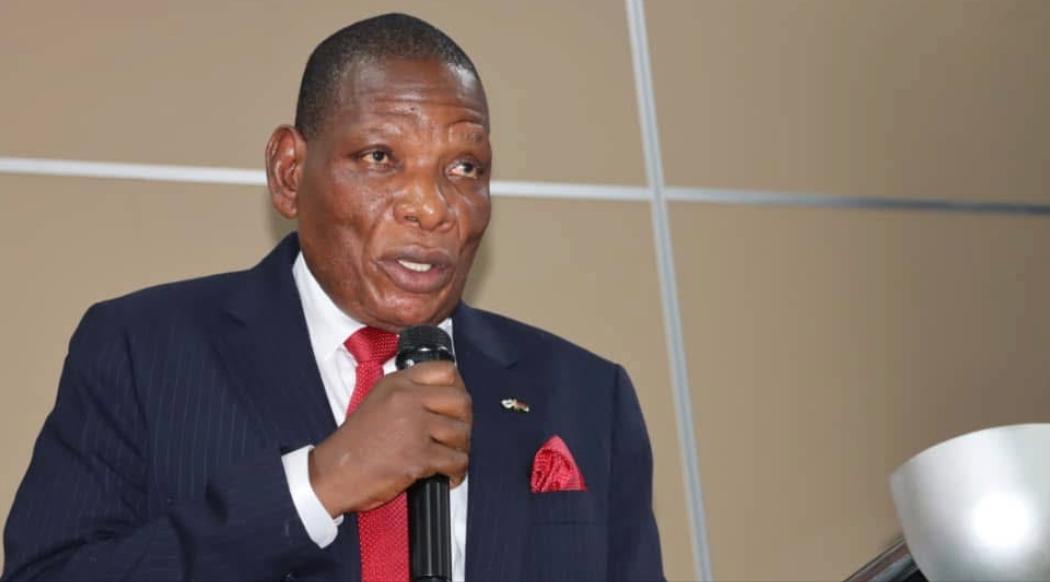
MEDF Chief Executive Officer Kaisi Sadala told reporters in Lilongwe that at least MWK8 billion has been recovered since the temporary suspension of operations.
“We announced a two-month moratorium — 60 days — to allow those with arrears to repay. During that period, some cleared their loans in full, while others made partial payments. The total collected stands at MWK8 billion,” he said.
Despite the recovery, the scale of the problem remains significant. Sadala said defaulters still owe the institution MWK187 billion. He warned that MEDF will continue pursuing the outstanding amounts, including deploying all available legal and administrative tools against those who fail to comply.
Part of the recovered funds has already been used to meet administrative obligations, including payments to service providers and suppliers.
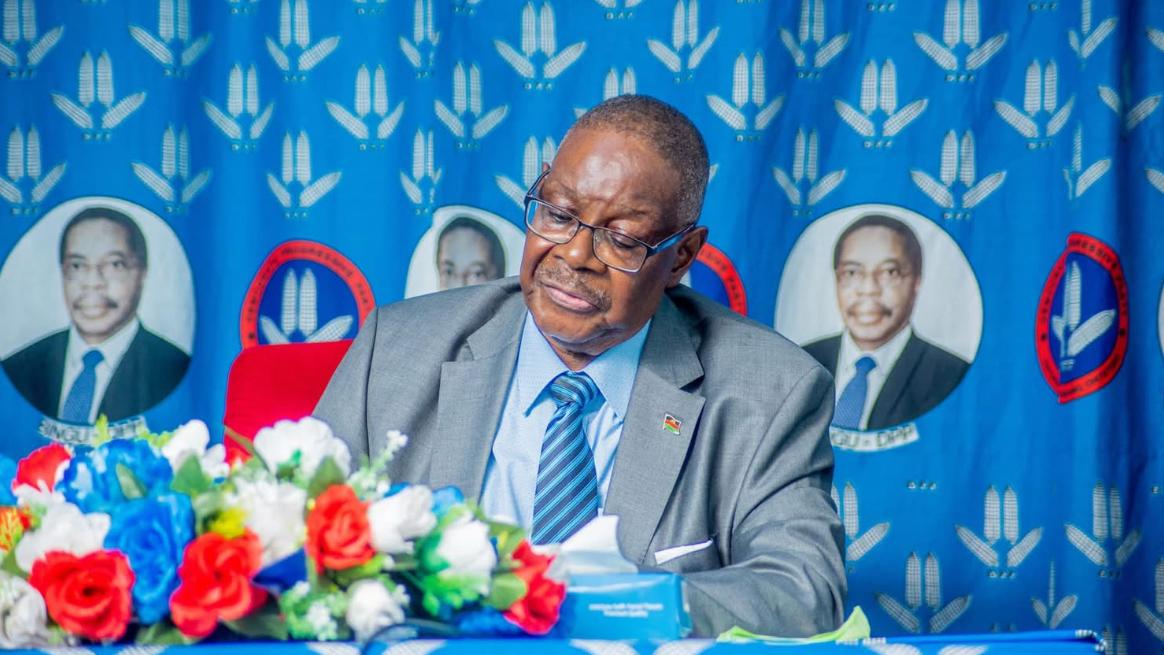
MEDF board chairperson James Naphambo announced that the institution is now preparing to resume giving out loans.
“I am pleased to announce that MEDF will resume loan disbursements in May. This will be gradual and phased, carefully balancing the fund’s financial realities with the legitimate expectations of Malawians,” he said.
The initial phase will prioritise loans under the Constituency Development Fund (CDF) framework, alongside a tightly controlled rollout of business loans.
Under the CDF model, MEDF plans a structured, phased approach targeting women and youth across all constituencies. Naphambo said local government structures will play a central role, from identifying beneficiaries to providing pre-disbursement training, post-disbursement monitoring and repayment support.
To reduce default risk, access to CDF loans will be strictly group-based, encouraging peer accountability. A rigorous vetting process will also be enforced to exclude individuals with a history of default under previous MEDF or related programmes.
“All beneficiary groups will undergo mandatory business training to strengthen financial literacy,” Naphambo said.
At the same time, the fund is intensifying loan recovery efforts, including collateral repossession and legal action where necessary. Naphambo said the institution aims to strike a balance between enforcing accountability and supporting viable businesses that meet their obligations.

MEDF’s reset follows a government directive in September 2025 to suspend loan disbursements and undertake a comprehensive institutional review. The move was prompted by concerns over governance failures, weak operational systems and poor credit management that had undermined the fund’s sustainability.
According to Naphambo, the review uncovered deep-rooted problems, including weak credit appraisal systems, politicised lending practices, internal control failures, procurement irregularities and structural inefficiencies.
“These shortcomings resulted in high levels of non-performing loans, erosion of capital and limited development impact,” he said.
During the suspension period, MEDF focused on loan recovery and began implementing corrective measures aimed at addressing long-standing institutional weaknesses.
The board now says it is satisfied that meaningful reforms have been introduced to restore discipline and strengthen governance.
These include stricter enforcement of procurement and financial controls, the introduction of risk-based lending frameworks, improved loan appraisal and monitoring systems, and stronger audit and risk management functions. The fund is also accelerating digital transformation initiatives to improve efficiency, transparency and data integrity.
In addition, targeted human capital reforms are underway to align staff capacity with the institution’s evolving mandate. Going forward, MEDF says it will operate on sound financial principles, backed by stronger governance structures and a firm culture of accountability.
However, the reform process is not yet complete. Naphambo said a comprehensive forensic audit is still underway and may take longer than initially anticipated due to the complexity of the issues involved. Its findings are expected to inform further measures to safeguard public resources and strengthen the institution.
Earlier this month, the fund rebranded from the National Economic Empowerment Fund (NEEF) to MEDF, signalling a shift towards tighter management and a renewed focus on driving economic growth and job creation.
MEDF traces its origins to 2014, when it was established during the first term of the Democratic Progressive Party administration under former president Peter Mutharika. It was formed through the merger of the Malawi Rural Development Fund (MARDEF) and the Youth Enterprise Development Fund (YEDEF).
At the launch of MEDF and its 2026–2030 Strategic Plan, Finance Minister Joseph Mwanamvekha set an ambitious tone, tasking the new management with recovering more than MWK200 billion in unpaid loans.
The early recovery of MWK8 billion suggests some movement, but with MWK187 billion still outstanding, the real test lies ahead.
—
Also Read: Malawi Parliament endorses NEEF law, demands accountability, jail terms for loan abuse