By Edwin Mauluka
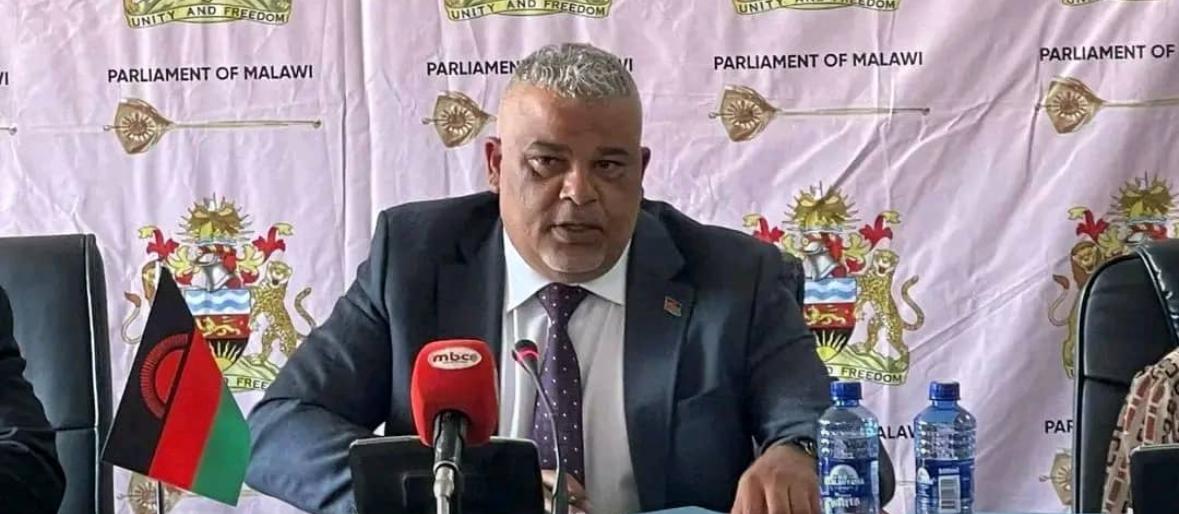
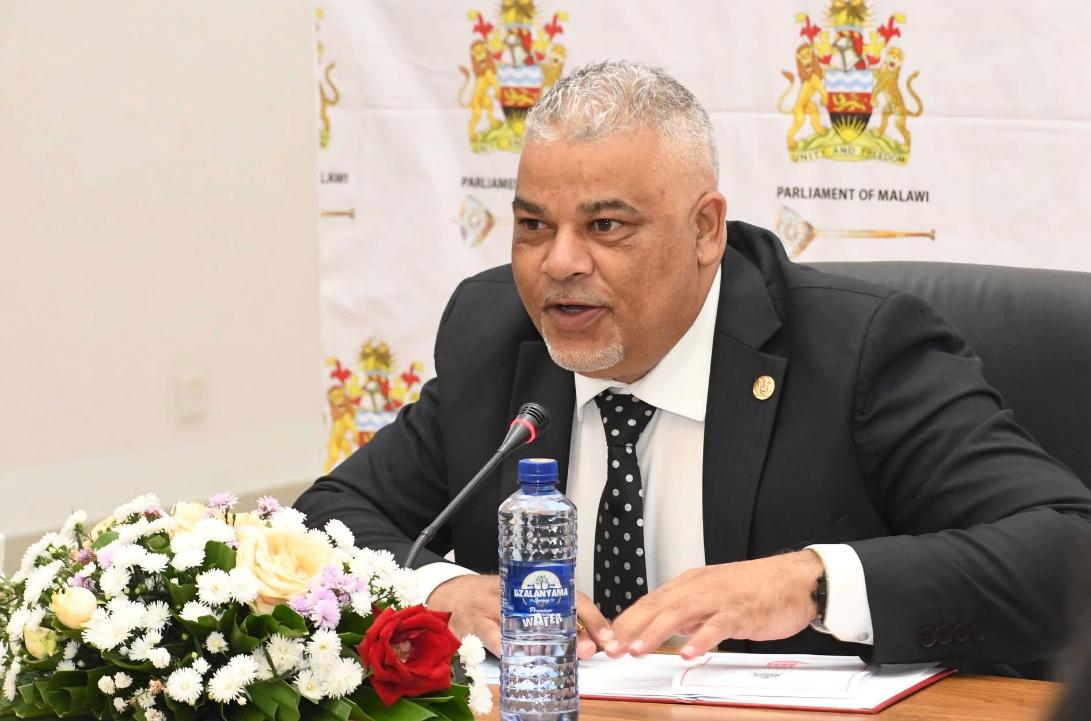
Leader of the House in the National Assembly, Jappie Mhango, has described the just-ended parliamentary sitting as productive and comprehensive, saying lawmakers successfully tackled key national issues.
Parliament adjourned on Friday, April 10, bringing to a close the Second Meeting of the 52nd Session, which ran for eight weeks.
Speaking after the adjournment, Mhango said the House had achieved its objectives, highlighting deliberations and the passage of the 2026–2027 national budget, alongside discussions on several bills and committee reports.
“We have had a productive eight weeks, and as Parliament we have achieved what we set out to do,” Mhango told reporters.
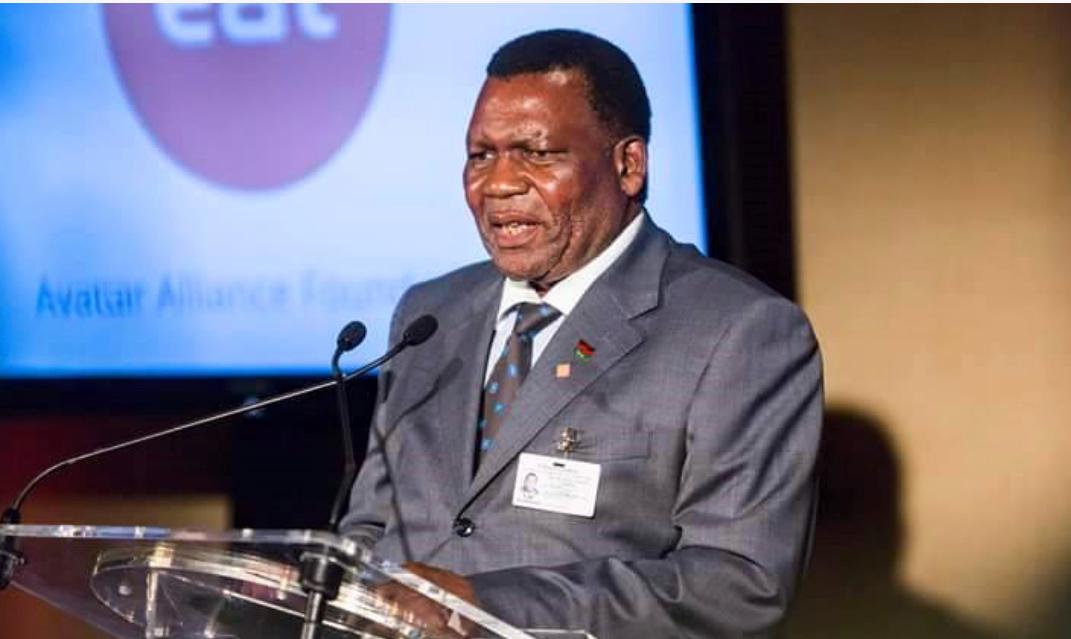
He noted that the session aligned with the development agenda outlined by President Peter Mutharika in the State of the Nation Address delivered at the opening of the meeting.
During his closing remarks before moving the motion for the House to rise sine die, Mhango expressed confidence in the country’s leadership, saying it is on the right path to deliver on the expectations of Malawians.
“The government is sparing no effort to ensure that this country transforms; and transformed it shall be,” he said. “Let us work together as a House, as representatives of the people, to free our citizens from the current challenges. Together, we can do it.”
The budget meeting opened on February 13, 2026, when President Mutharika delivered his State of the Nation Address, which was later debated and adopted by the House.
On February 27, the Minister of Finance, Economic Planning and Decentralisation presented the 2026–2027 budget estimates, pegged at MWK10.98 trillion.
The budget includes a record increase in the Constituency Development Fund (CDF) to MWK5 billion per constituency. It also allocates funding for free primary and secondary education, increased health sector financing, and soft loan facilities targeting youth and women.
Cluster Committees scrutinised the budget from March 2 to 13, followed by debate in the House from March 16 to 24. The budget was passed on March 24.
Mhango reported that Parliament passed six key bills during the session, all central to implementing the national budget and tax measures. These include the Appropriation Bill, Supplementary Appropriation Bill, and several tax-related amendment bills covering taxation, customs and excise, value added tax, and tax administration.
The House also received multiple ministerial statements addressing critical national issues such as disaster response to floods, fuel supply, public housing, digital transformation, mining, agriculture programmes, and reforms to the Malawi National Service.
In addition, Parliament adopted several committee reports, including the Budget Committee’s report on the 2026–2027 National Budget, a report on public health financing, and findings from engagements with the National Economic Empowerment Fund.
Delegation reports from regional engagements, including the Pan-African Inter-Party Dialogue in Lesotho and a SADCOPAC consultative workshop, were also presented to the House.
Mhango said the breadth of issues handled during the session reflects Parliament’s commitment to addressing the country’s development priorities.
He reiterated the need for unity among lawmakers to translate policy decisions into tangible improvements in people’s lives.
“We must continue working together to ensure that the decisions we make here bring real change to Malawians,” he said.
—
Also Read: Malawi Speaker declares war on interference: Parliament shall be free
Related: Mutharika blocks CDF Amendment, dealing setback to MPs seeking CDF control
Related: Malawi opposition demands relief measures after fuel price hike