By The Forum
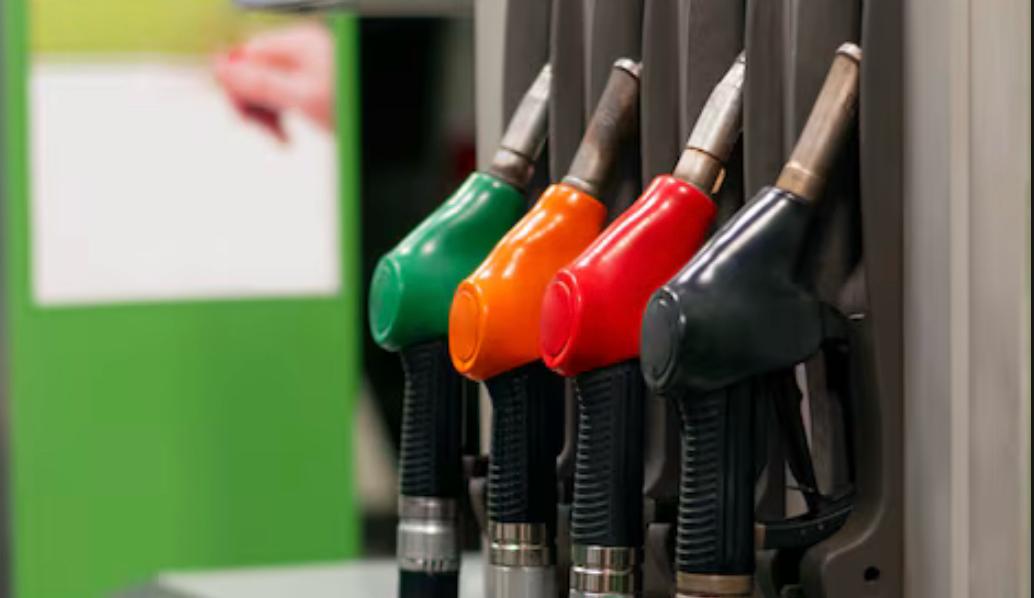
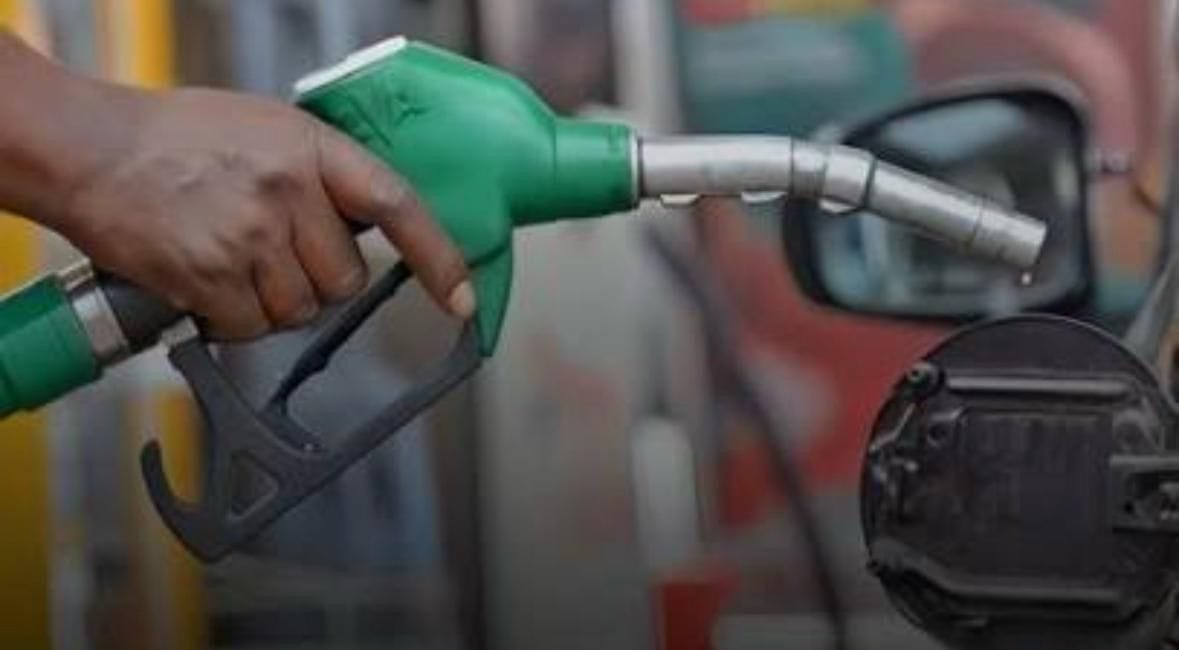
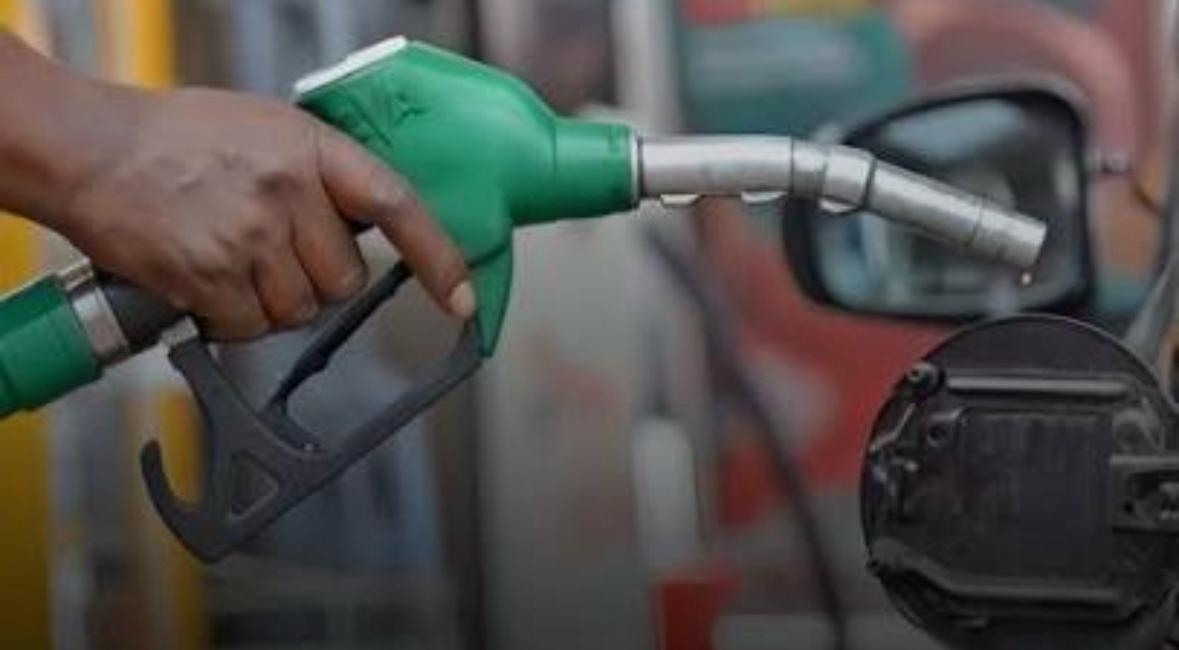
The Malawi Energy Regulatory Authority (MERA) has announced a sharp increase in fuel prices, with new pump rates for petrol, diesel, kerosene, and Airfield Jet A-1 taking effect on Wednesday, April 1, 2026.
In a statement issued on March 31, MERA Board Chairperson Lucas Kondowe confirmed that petrol has risen from MWK4,965 to MWK6,672, representing a 34 percent increase. Diesel has also gone up from MWK4,945 to MWK6,687, marking a 35 percent jump.
Kerosene has recorded the steepest rise, climbing from MWK3,200 to MWK5,824, an 82 percent increase.
Airfield Jet A-1 prices have also been significantly adjusted. At Kamuzu International Airport, the price has increased from MWK3,046 to MWK5,439, representing a 79 percent rise. At Bakili Muluzi International Airport (formerly Chileka), prices have moved from MWK2,993 to MWK5,423, an 81 percent increase.
Kondowe said the adjustments were made under the Automatic Pricing Mechanism (APM), which allows price changes when the Inbound Landed Cost (IBLC) shifts beyond a ±5 percent threshold. In this case, the increase exceeded the trigger band, necessitating an upward revision.
He attributed the price surge largely to ongoing geopolitical tensions in the Middle East, which continue to drive up global petroleum prices and disrupt supply chains.
“Traditionally, suppliers’ prices are based on previous months’ published averages. However, due to the current volatility, suppliers are now using fortnight averages within the current month,” said Kondowe. “This temporary pricing approach reflects the instability caused by the Middle East conflict.”
According to MERA, the Energy Pricing Committee found that average Free on Board (FOB) prices for petrol and diesel have increased by 42 percent and 87 percent, respectively, since the last adjustment on January 20, 2026.
Kerosene has seen an even sharper rise, with its average FOB price in March 2026 increasing by 101 percent compared to November 2025 levels. When combined with rising costs for freight, insurance, handling, and exchange rate pressures, the IBLC for kerosene rose by 83 percent.
Similarly, Jet A-1 FOB prices increased by 108.77 percent between January and March 2026. This pushed IBLC up by 89.86 percent at Kamuzu International Airport and 90.73 percent at Bakili Muluzi International Airport.
This latest adjustment comes barely three months after the previous hike in January 2026, which itself followed another increase in October 2025—highlighting a pattern of frequent fuel price reviews.
The development has sparked concern among Malawians, many of whom have taken to social media to express frustration. Commenters warn that repeated fuel hikes will likely trigger increases in the cost of goods and services, further straining household budgets.
The price adjustment follows earlier warnings from MERA. On March 31, Acting Chief Executive Officer Dad Chinthambi cited erratic fuel supply linked to geopolitical tensions affecting key global oil routes, including the Strait of Hormuz—a vital transit corridor for petroleum products.
“These developments have created uncertainty in global fuel supply chains, with significant implications for import-dependent countries like Malawi,” Chinthambi said.
He assured the public that MERA is working closely with fuel importers and stakeholders to stabilize supply and ensure continued availability nationwide. He also urged citizens to remain calm, avoid panic buying, and use fuel responsibly as the situation evolves.
—
Also Read: Tanking budgets: Malawi fuel prices jump after two-year freeze
Related: Norway reaffirms support for Malawi’s energy sector
Related: Energy minister outlines recovery plan as Malawi feels impact of Tanzania unrest