COMMENTARY | The Forum
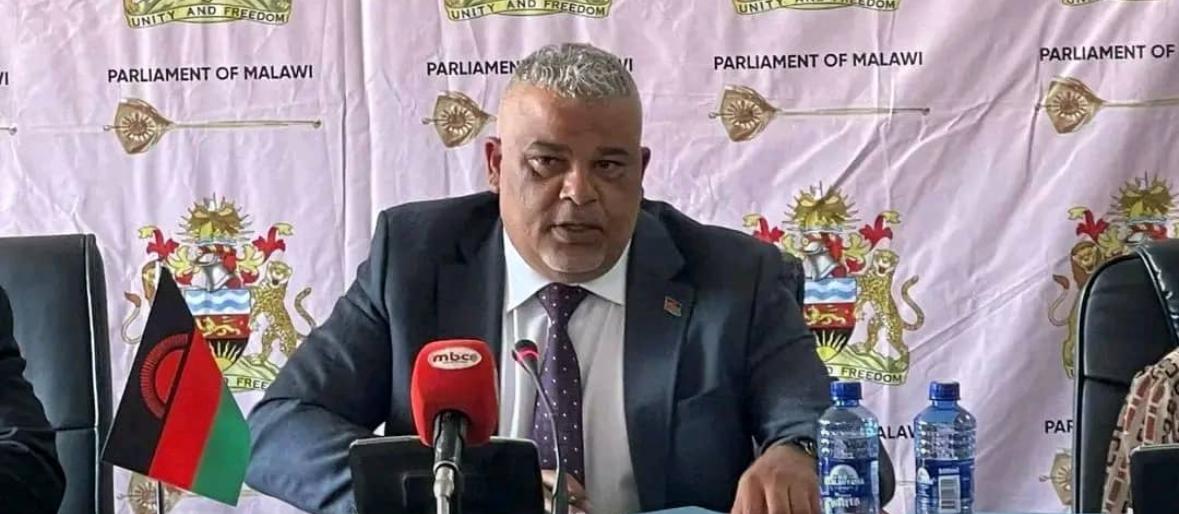
Malawi’s Leader of Opposition in Parliament, Simplex Chithyola Banda, is dreaming in colour. At face value, it’s a compelling vision.
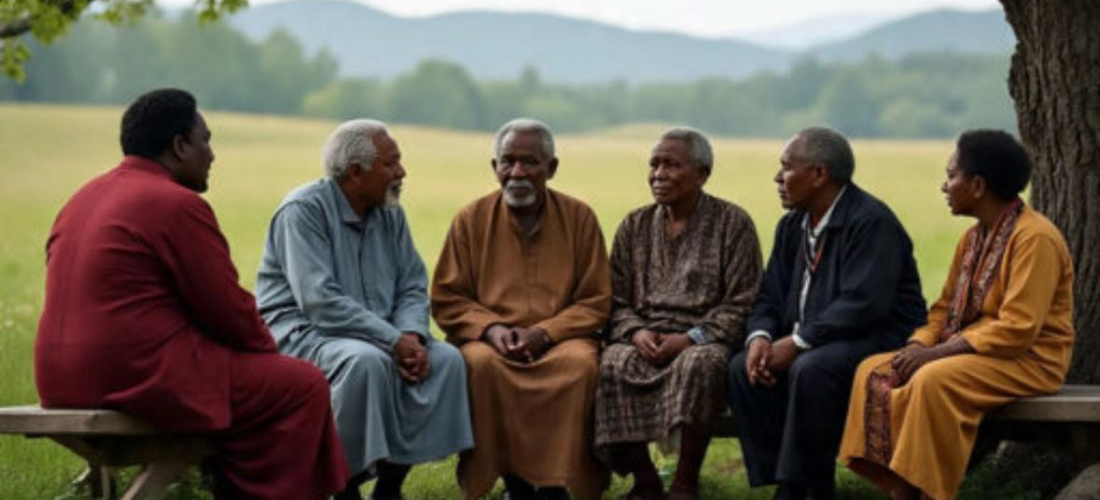
He wants President Peter Mutharika to convene an Elders Council bringing together former leaders — Joyce Banda, Bakili Muluzi and Lazarus Chakwera — to sit at one table and deliberate on issues of national importance.
He sees a country rising above politics. Leaders, past and present, setting aside differences in pursuit of the common good. But beyond that dream, would it work?
Chithyola floated the proposal while responding to the State of the Nation Address (SONA), which he criticised for “serious omissions.” He pointed to the everyday struggles of Malawians: high cost of living, lack of affordable farm inputs, the promise of free education for all that remains elusive. These are real concerns, and on that score, he is on solid ground.
An Elders Council, by design, would be advisory. It would deliberate, recommend, perhaps even inspire. But it would not govern. The final decision would still rest with the sitting president. Advice, no matter how wise, is only as powerful as the willingness to act on it.
And then there is the composition of this proposed council. The very figures meant to guide the country forward are the same ones who, at different points, had the opportunity to shape its future. Malawi’s persistent economic and structural challenges did not emerge overnight. The problems are, in part, the legacy of successive administrations.
So the question is unavoidable: what new solutions would emerge from the same pool of leadership that presided over many of today’s problems?
This is not to dismiss experience. There is value in lessons learned, even in past failures. But such a council would require more than symbolism. It would demand sincerity of purpose, an assurance that its members are motivated not by political relevance or quiet influence, but by genuine national interest.
Chithyola himself, as a former finance minister, is not insulated from scrutiny. His tenure coincided with economic turbulence, a reality that complicates his current posture as a critic and reform advocate. It does not invalidate his ideas but it does invite reflection on credibility and consistency.
Still, the proposal taps into something deeper: a longing for cohesion in a fragmented political landscape. Malawians want solutions, not speeches; collaboration, not competition. Perhaps that is the real takeaway.
The dream of an Elders Council is less about former presidents gathering around a table and more about a broader call for inclusive leadership. Not necessarily a council of the old guard, but a culture of consultation that draws from across society: economists, technocrats, business leaders, and yes, even former presidents where appropriate.
In that sense, Chithyola’s “dream in colour” may not be entirely misplaced.
But for it to move beyond rhetoric, it must confront a simple truth: Malawi does not just need familiar voices in a new room. It needs fresh thinking, accountability, and leadership willing to act decisively and differently.
—
Also Read: Dreaming in color: Chithyola calls for ex-presidents council to solve Malawi’s challenges
Related: Mutharika states he rescued Malawi from ‘man-made crisis’ in four months
Related: Malawi 2026/27 Budget Meeting Guide: Key dates, process and priorities