By Edwin Mauluka
Malawi has taken a major step toward strengthening its early warning systems with the official launch of the Systematic Observations Financing Facility (SOFF) Malawi project.
The initiative, led by the United Nations Development Programme (UNDP) in partnership with the Department of Climate Change and Meteorological Services (DCCMS), is supported technically by the World Meteorological Organization (WMO), MET Norway and the Icelandic Meteorological Office.
Launched on Tuesday, the project will upgrade weather and climate observing stations, reintroduce upper-air observations and improve data management systems to meet the standards of the Global Basic Observing Network (GBON).
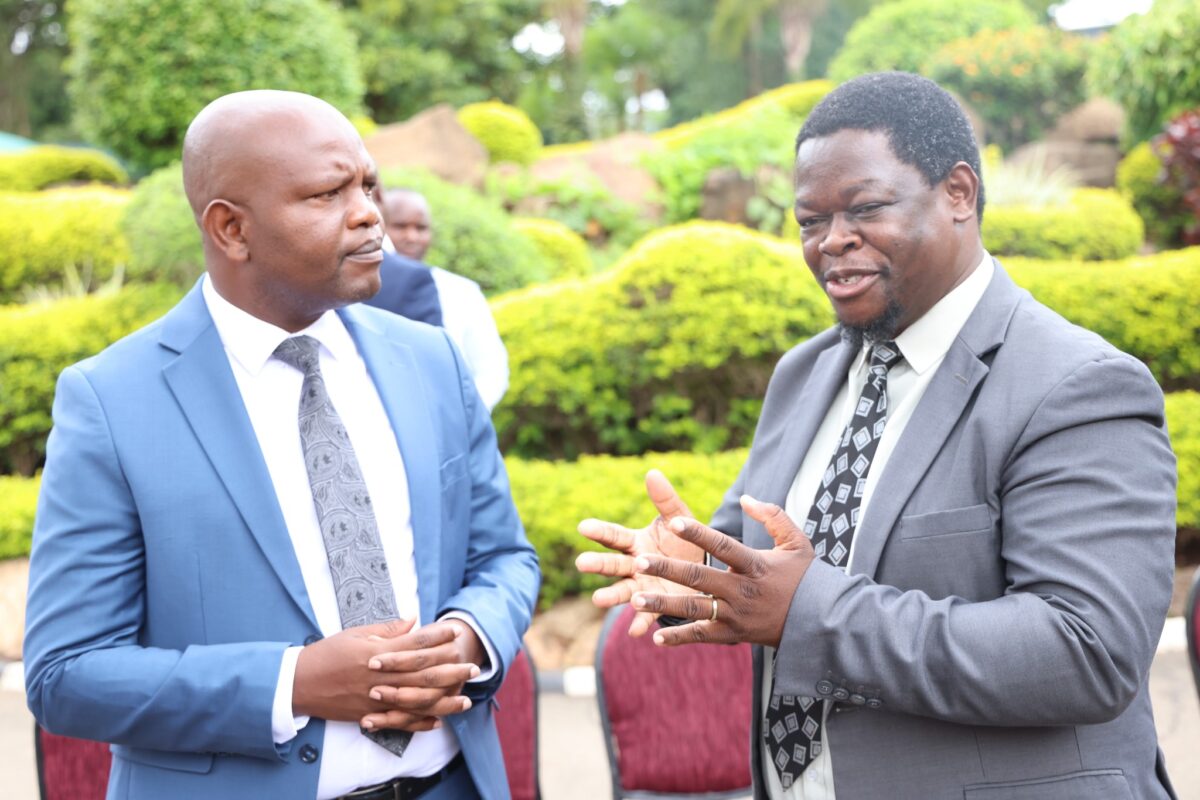
UNDP Malawi Country Representative Fenella Frost said strengthening early warning systems is critical for Malawi, a country frequently hit by deadly climate-related disasters and whose economy heavily depends on agriculture.
“Improved early warning systems can help save six times more lives and property compared to communities without them, so it really matters,” said Frost.
She added that reliable meteorological services are essential for Malawi’s agriculture-based economy, as crop yields depend largely on accurate weather information and timely adaptation to weather patterns.
Frost also appealed to communities to safeguard weather equipment installed in their areas, warning that vandalism disrupts forecasting and delays communication of critical weather information.
The five-year project, to be implemented by DCCMS, includes institutional capacity building as well as the upgrading and rehabilitation of four meteorological stations — Mlowe, Kasungu, Ngabu and Bilira — to meet GBON requirements.
With an investment of US$3.84 million, the project contributes directly to Sustainable Development Goal 13 on climate action and supports the global Early Warnings for All (EW4All) initiative.
Minister of Natural Resources Patricia Wiskes expressed optimism that the SOFF project will significantly enhance Malawi’s weather monitoring capacity and disaster response systems.
“It’s important that once a prediction has been made, it’s communicated to district councils, chiefs and market areas to allow communities to react before a crisis hits,” said Wiskes. “This gives people time to save lives and property.”
During the event, Wiskes also launched the DCCMS Strategic Plan for 2025–2030, which outlines departmental responsibilities and sets the ministry’s strategic direction.
“We are hopeful that this plan will help mobilise more resources to enable our forecasters to generate more accurate and precise predictions,” she added.
WMO Secretary-General Celeste Saulo pledged continued collaboration with Malawi to strengthen climate services and safeguard lives and livelihoods.
The SOFF project will also align with related programmes such as Early Warnings for All (EW4All) and the Climate Risk and Early Warning Systems (CREWS) initiative to enhance coordination and impact.
—
Also Read: Flood risk shifts beyond Lower Shire Valley, testing national preparedness
Related: Mutharika orders emergency bridge inspections as heavy rains damage key roads
Related: Breaking the hunger trap in Malawi