By Edwin Mauluka
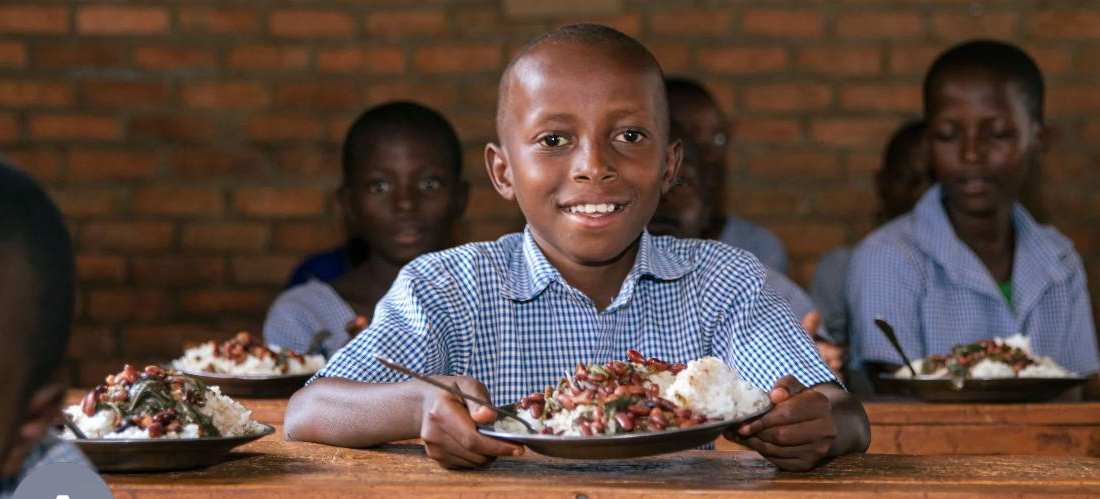
The Japanese government has committed MWK166 million (about US$96,600) to a school feeding programme in Mzimba District, marking another boost to Malawi’s education and infrastructure sectors.
The funding follows the signing of a grant contract on Tuesday between the Japanese government and Mzimba-based non-governmental organisation Seibo Maria. The support is provided under Japan’s Grant Assistance for Grassroots Human Security Project.
The grant will be used to construct three school kitchens at Machelecheta, Chabere and Kanyerere primary schools, improving the preparation of meals for learners.
Japanese Ambassador to Malawi Yasushi Naito said the initiative addresses a critical link between nutrition and education, noting that hunger often undermines pupils’ ability to concentrate and remain in school.
“Education and nutrition are important areas outlined in Malawi Vision 2063. Seibo Maria has been dedicated to school feeding programmes, and we decided to support the establishment of three school kitchens so food can be prepared hygienically and conveniently,” Naito said.
“By providing meals to learners, the project will help prevent dropouts and enable children to concentrate and work hard. This is an important area for the country’s growth.”
He added that the project contributes to building resilient, inclusive and sustainable communities, and supports the Malawi government’s goal of ensuring every child completes at least 12 years of formal education.
Seibo Maria programme manager Victor Mthulo said the grant will also help the organisation meet minimum government standards for school feeding programmes.
“This support will allow us to construct kitchens at Machelecheta, Chabere and Kanyerere primary schools,” Mthulo said.
The Director of Inclusive Education and School Health and Nutrition in the Ministry of Education, Science and Technology, Virginia Kachigunda, said the project aligns with Malawi Vision 2063, which identifies education and nutrition as pillars for building strong human capital.
She described the support as timely, citing persistent resource constraints affecting school feeding programmes nationwide.
“We are facing several challenges, especially limited resources,” Kachigunda said. “These include infrastructure such as kitchens, as well as food supplies like soy and maize flour.”
“That is why we are grateful to the Embassy of Japan for supporting Malawi, through Seibo Maria, with MWK166 million to construct kitchens. Without proper kitchens, hygiene is compromised and the quality of school feeding programmes suffers.”
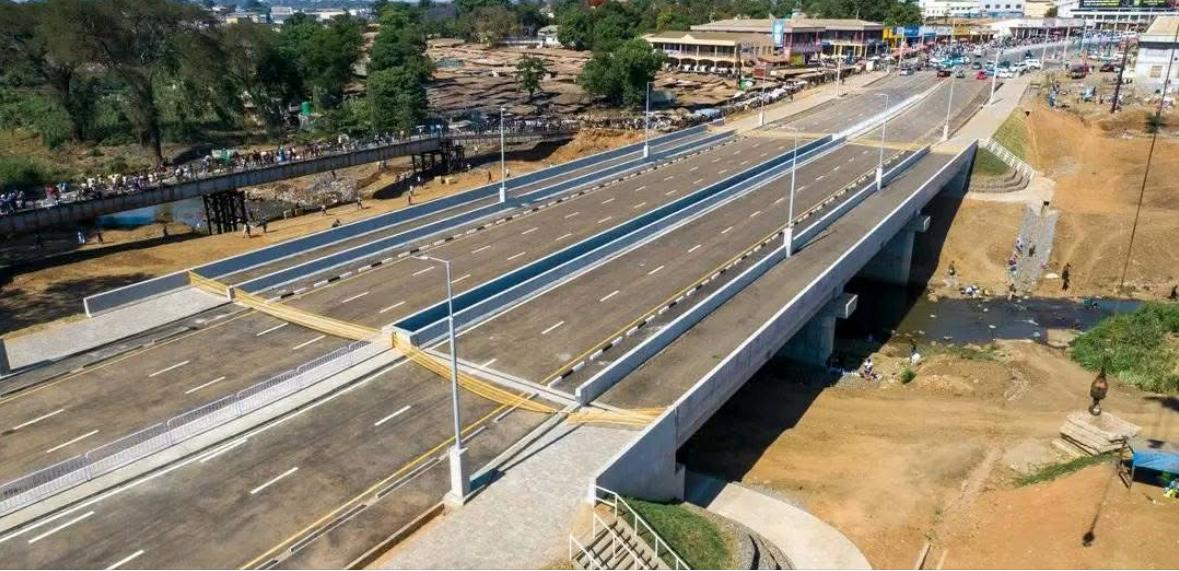
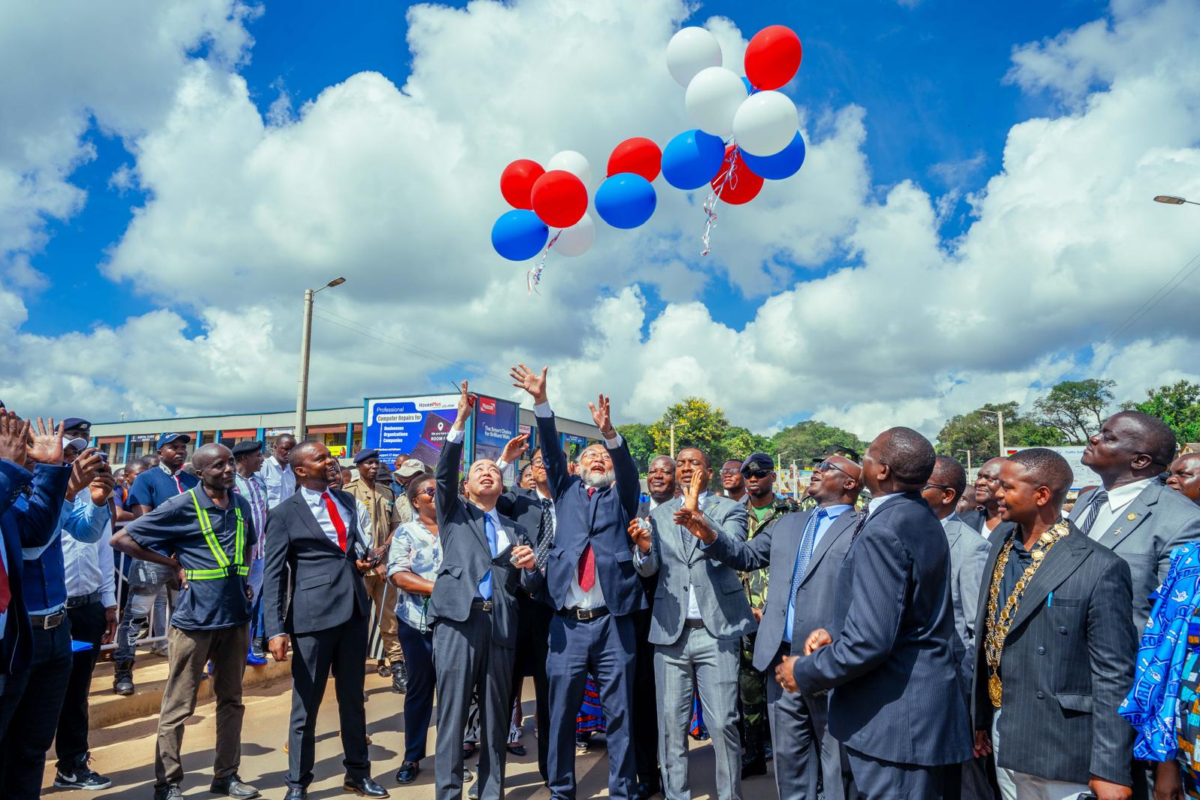
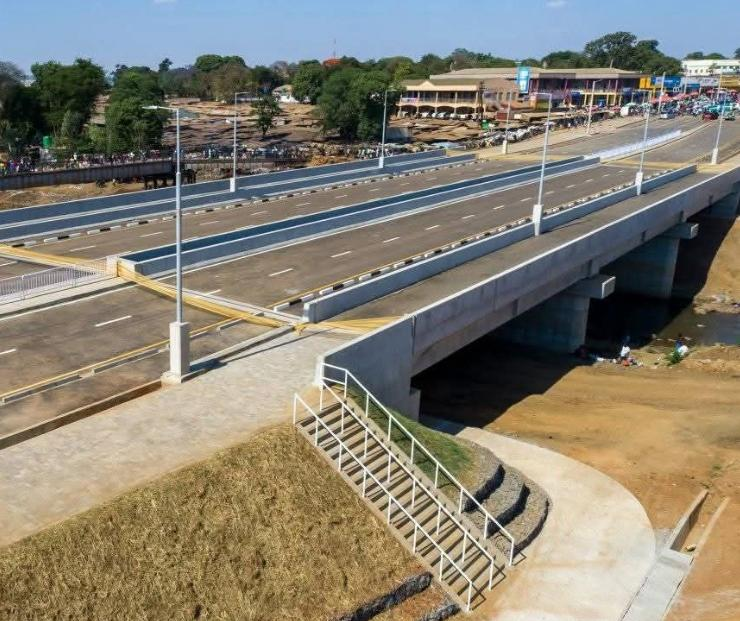
Meanwhile, the Japanese government is expected on Thursday to formally hand over the newly constructed Lilongwe Bridge to the Malawi government after certifying that all works have been completed.
The bridge, built over the Lilongwe River to connect Old Town with the central business district, cost MWK37.4 billion. Although it was opened to traffic on November 6, 2025, the official handover will mark the project’s completion.
—
Also Read: Lawmakers push for quality in free primary and secondary education
Related: Nkhotakota schools delay reopening amid floods, free education rollout
Related: ‘We are one’: Zimbabwe aids Malawi with 370 tonnes of maize