By Edwin Mauluka
Public service delivery systems in Malawi are failing to provide reasonable accommodations for persons with disabilities (PWDs), making it difficult for them to access essential services, the Malawi Human Rights Commission (MHRC) has found.
The rights body released findings of a public inquiry conducted between 15 July and 15 August 2025 in Nkhata Bay and Mulanje districts. The inquiry sought to generate evidence-based recommendations to promote inclusivity and protect the rights of persons with disabilities.
The study examined five thematic areas: health, education, employment, political participation, and disaster risk management.
Presenting the findings on Monday at a press briefing in Lilongwe, Justice Gloria Alinafe Namonde — Chairperson of the Public Inquiry and a High Court judge — said Malawi’s public service delivery systems fall short of international and domestic human rights standards.
“These systems do not meet the requirements set out in the United Nations Convention on the Rights of Persons with Disabilities, the Constitution, and the Persons with Disabilities Act of 2024,” she said.
Justice Namonde noted that despite the existence of supportive legal and policy frameworks, persons with disabilities continue to face discrimination when accessing public services.
She explained that systemic barriers persist across all five sectors examined, perpetuating inequalities and discriminatory practices that leave persons with disabilities disadvantaged.
She therefore called for a multisectoral approach to dismantle these barriers and promote inclusive development.
According to the report, Malawi has more than 1.7 million persons with disabilities, representing 11.6 percent of the population.
MHRC Commissioner Bonface Massa, a member of the Public Inquiry Panel, said the commission’s role was not to police institutions but to remind them of their legal obligations.
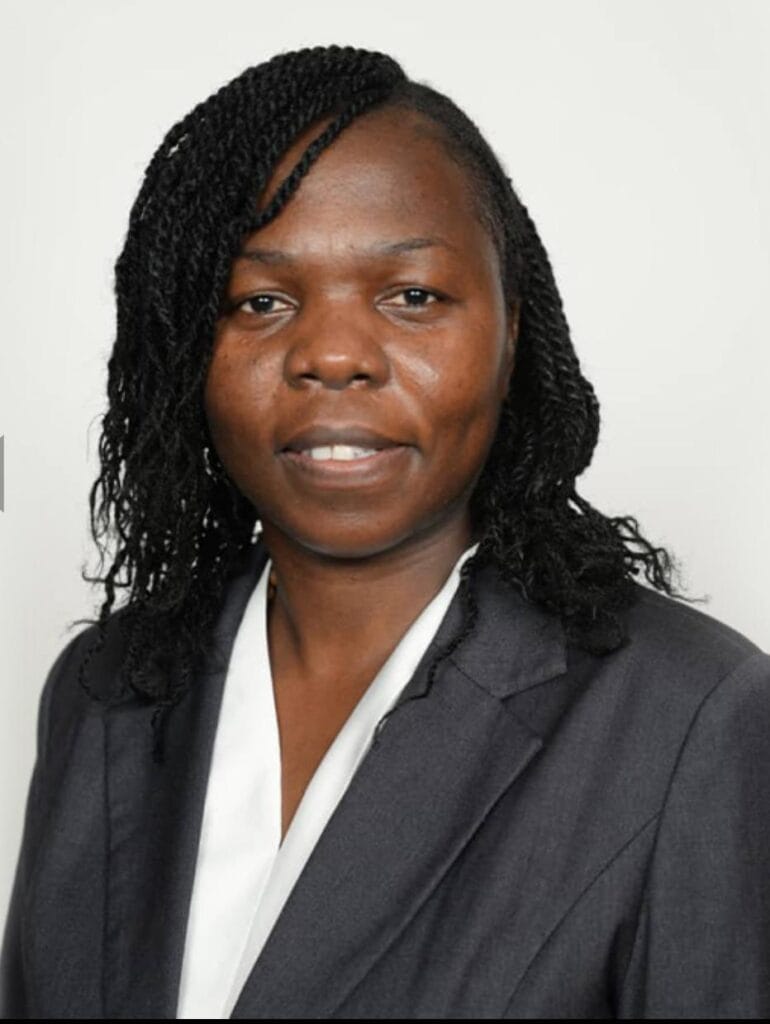
“We are reminding institutions of their duty and responsibility to ensure that their services are inclusive of the needs of persons with disabilities. It would be very unfortunate if ministries fail to implement these recommendations,” Massa said.
In response, Director of Disability and Elderly Programmes in the Ministry of Gender, Disability, Children and Social Welfare, David Njaidi, said the ministry was engaging other government departments to mainstream disability issues.
“We are discussing with our sister ministries and departments to ensure disability issues are fully integrated into their programmes,” Njaidi said.
The report identifies physical, attitudinal, institutional and informational barriers faced by persons with disabilities, which intersect with poverty and social exclusion to result in systemic discrimination and denial of rights.
In the health sector, key challenges include inaccessible infrastructure, limited disability awareness among health workers, discriminatory sexual and reproductive health and rights (SRHR) practices, shortages of essential medicines, communication barriers and lack of assistive devices.
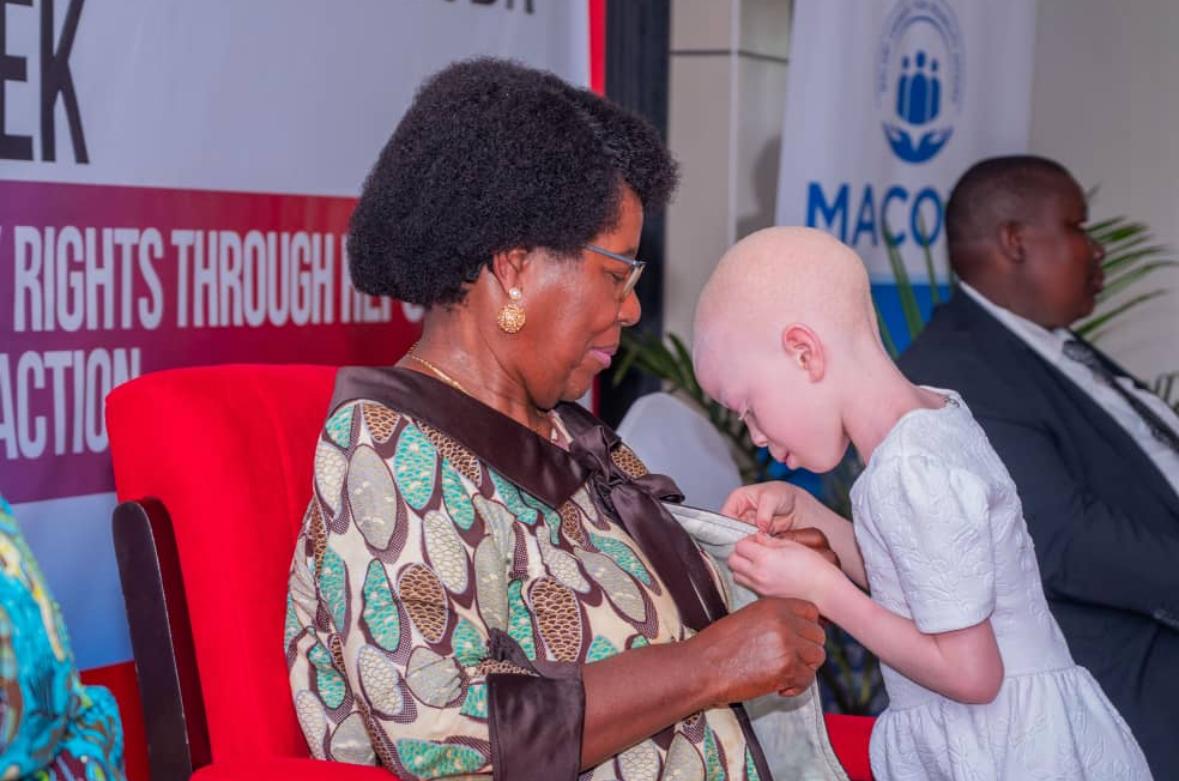
The report notes that women with disabilities face stigma when accessing SRHR services; persons with albinism struggle to access sunscreen; and deaf individuals are disadvantaged by the absence of sign language interpreters. It recommends improved infrastructure, training of health workers, accessible information formats and provision of assistive devices.
In education, barriers include shortages of specialist teachers, inadequate learning materials, inaccessible school infrastructure and negative societal attitudes. These challenges contribute to exclusion, bullying and poor academic performance among learners with disabilities, particularly children with spina bifida who lack adequate sanitary support. The report recommends increased funding, training of specialist teachers, infrastructure improvements and enforcement of inclusive education policies.
In the employment sector, the inquiry found widespread discrimination in recruitment, inaccessible workplaces, lack of reasonable accommodation and weak enforcement of existing laws. Women with disabilities face compounded discrimination, with some denied promotions despite being qualified due to inaccessible materials. The report urges the government to amend employment laws, enforce quotas, provide reasonable accommodations and improve transport accessibility.
On political participation, the report cites political violence, inaccessible campaign information, societal stigma and lack of legal guarantees for accessible voting. These factors discourage participation in rallies and elections, with persons with albinism fearing attacks and deaf voters lacking sign language support. Recommendations include making polling centres accessible, providing interpreters, amending electoral laws and promoting inclusive political party policies.
In disaster risk management, the inquiry found that early warning systems, evacuation routes, shelters and relief distribution mechanisms remain largely inaccessible to persons with disabilities, placing them at heightened risk during emergencies.
—
Also Read: Malawi minister warns: ‘You will rot in jail’ for attacks on people with albinism