
By Edwin Mauluka
Economists have warned that Malawi’s sharp fuel price increase will trigger widespread rises in the cost of goods and services, deepening economic hardship for households and businesses already under pressure, while urging the government to introduce cushioning mechanisms to soften the impact.
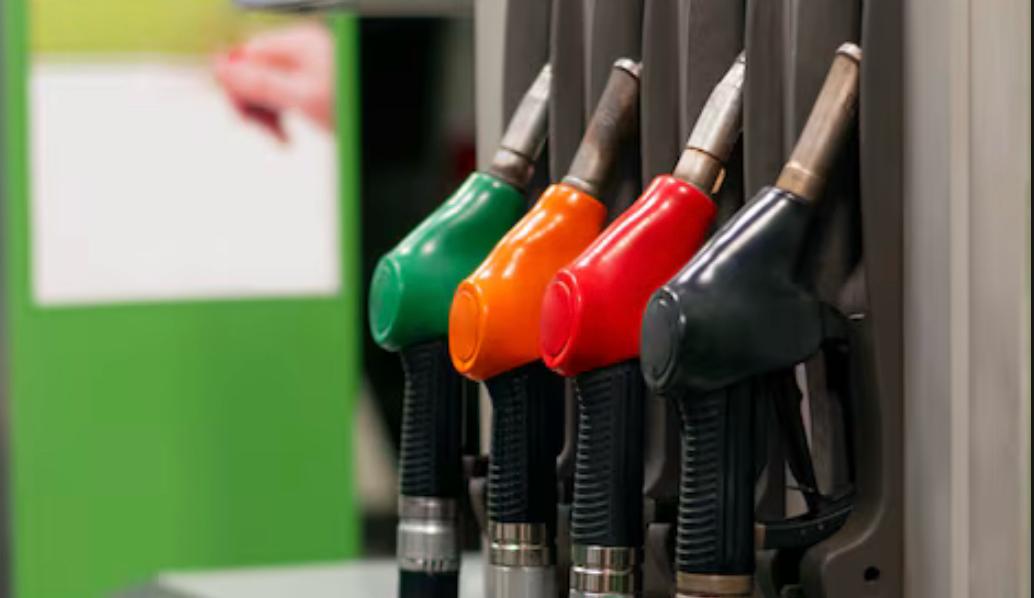
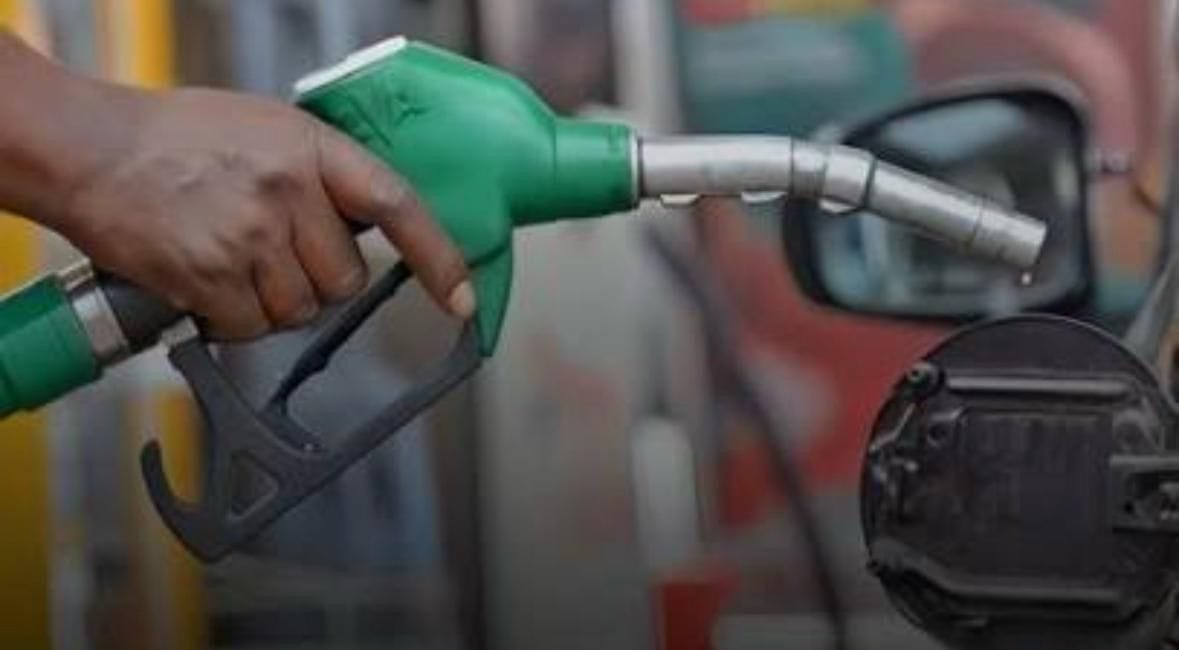
The warnings follow the Malawi Energy Regulatory Authority’s (MERA) decision to raise fuel pump prices by more than 40 percent, effective Tuesday, January 20, 2026, less than four months after the previous hike on October 1, 2025.
Petrol prices have increased from MWK3,499 to MWK4,965, representing a 41.9 percent rise, while diesel has gone up from MWK3,500 to MWK4,945, an increase of 41.29 percent. The adjustment was triggered by MERA’s adoption of the Automatic Pricing Mechanism (APM), which mandates price changes when model parameters move beyond a ±5 percent threshold.
The fuel hike comes alongside MERA’s approval of a 12 percent electricity tariff increase by the Electricity Supply Corporation of Malawi (ESCOM), compounding cost pressures across the economy.
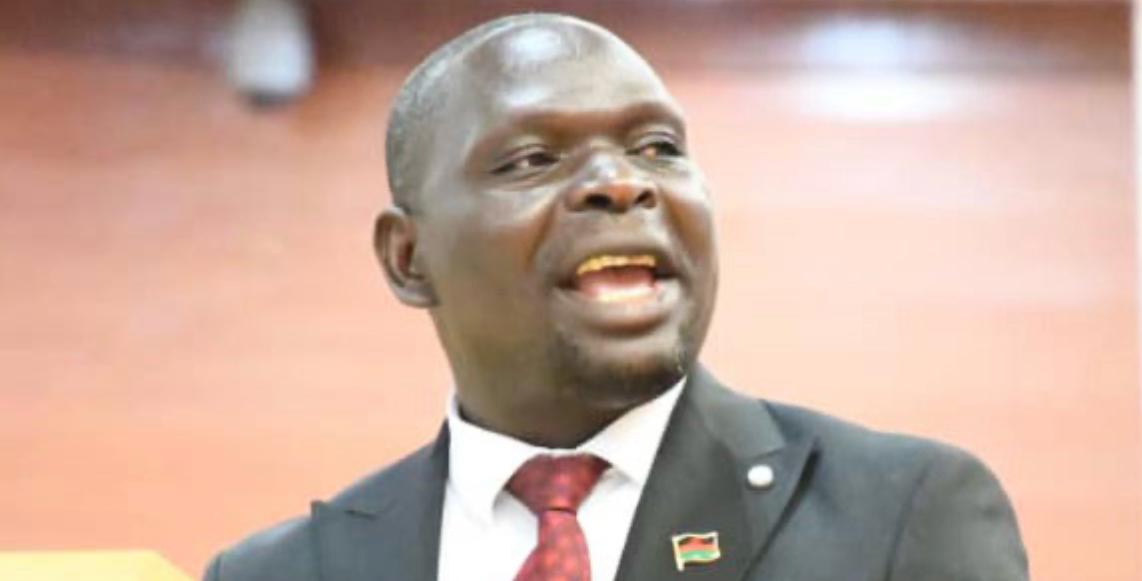
Financial and economic analyst Abel Mwenibanda said the impact would be severe, noting that Malawi’s movement of goods, services and people is heavily dependent on road transport.
“This also comes at a time when we recently had a one percent increase in Value Added Tax. Taken together, these pressures will significantly reduce disposable incomes for Malawians whose earning capacity has not improved,” Mwenibanda said.
He added that the timing of the fuel hike was particularly problematic, as it coincides with the rainy season when farmers are still struggling to access agricultural inputs.
Economics Association of Malawi (ECAMA) president Dr. Bertha Bangara Chikadza agreed, warning that the sharpest welfare effects would be felt by urban commuters and low-income households through higher transport and food costs.
“Public transport operators will face higher operating costs, which will translate into fare increases and reduced disposable income. Along the food value chain, higher fuel prices affect farm-to-market transport, storage and distribution, meaning food prices can rise even if farm-gate prices remain unchanged,” Bangara Chikadza said.
She said broader economic effects would also be felt in construction and manufacturing, where higher transport costs and diesel-powered equipment expenses could lead to project repricing or delays.
“Small and medium enterprises and informal traders will face higher costs but may be unable to pass these on fully without losing customers, shrinking their margins even further,” she said.
Bangara Chikadza described the fuel hike as both a symptom and a signal of deeper economic challenges, warning of rising inflation, slower economic activity and declining competitiveness in the short to medium term.
However, she acknowledged that the adjustment could help ease foreign exchange pressures and ensure fuel availability, noting that Malawi’s fuel prices had been significantly lower than those of neighbouring countries.
“To avoid effectively subsidising fuel consumption in the region, price adjustments are often unavoidable in an import-dependent economy facing foreign exchange shortages and global price volatility,” she said.
Both economists urged the government to put in place cushioning measures to protect vulnerable households. Bangara Chikadza stressed that the timing and design of price adjustments matter, while Mwenibanda called on Parliament to use the upcoming budget session to debate targeted relief measures.
Rather than relying solely on levies and price hikes, Mwenibanda said the government should explore broader revenue options, including tapping into the largely underdeveloped mining sector.
On coping strategies, Bangara Chikadza advised households and businesses to reduce fuel exposure by adopting energy substitutes where possible, such as shared solar solutions, carpooling and combining errands to cut transport costs. She also urged the government to accelerate structural reforms, including energy diversification, investment in public transport and support for local production.
Mwenibanda cautioned Malawians against falling into unplanned debt, warning that economic stress often pushes households into loans that worsen their financial position.
“In times like these, people must prioritise spending and avoid taking on debt without a clear repayment plan, as this can trap them in deeper economic distress,” he said.
—
Also Read: Tanking budgets: Malawi fuel prices jump after two-year freeze
Related: MERA approves 12% electricity tariff hike as ESCOM seeks to stabilise power supply
Related: Energy minister outlines recovery plan as Malawi feels impact of Tanzania unrest