
By Edwin Mauluka
The Ministry of Justice and Constitutional Affairs and the Ministry of Finance, Economic Planning and Decentralization have begun drafting new guidelines for the management of the Constituency Development Fund (CDF), following a directive issued by President Peter Mutharika earlier this month.
The move comes after the President withheld assent to the CDF Constitution (Amendment) Bill No. 2 of 2025, a decision that has exposed differing positions within government and Parliament on the future of the fund.
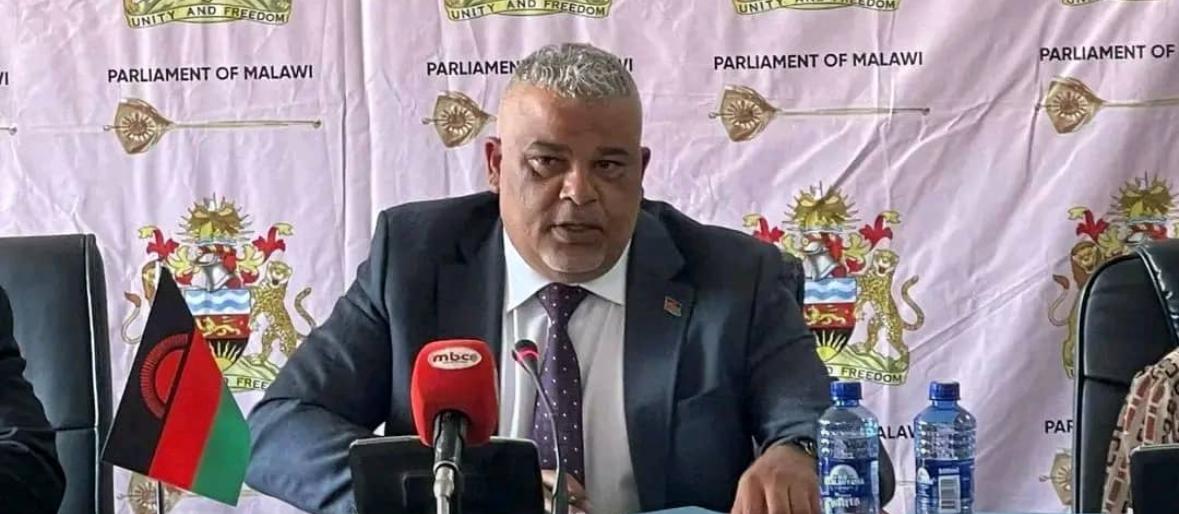
In an interview with The Forum, Minister of Justice Charles Mhango said his ministry was fully implementing the presidential directive.
“The Ministry of Justice is ready and committed to implement the directive from His Excellency the State President to the effect that the Ministry of Finance, Economic Planning and Decentralization, together with the Ministry of Justice and Constitutional Affairs, should come up with guidelines for the efficient management of the Constituency Development Fund,” Mhango said.
He added that the two ministries had already met at ministerial and technical levels and agreed on a work plan outlining action points and deliverables.
President Mutharika withheld assent to the Bill to ensure that development projects at constituency level continue without compromising financial integrity, and that CDF management meets high standards of accountability, transparency and fiscal responsibility.
On whether government would bring a fresh amendment Bill, Mhango said the legislation the President declined to sign was a Private Member’s Bill and that the next steps would be determined by the legislator who introduced it.
The Bill was passed by the National Assembly in December 2025 with 199 votes in favour and none against. It was introduced by Mzimba South East Member of Parliament Emmanuel Chilambulanyina Jere.
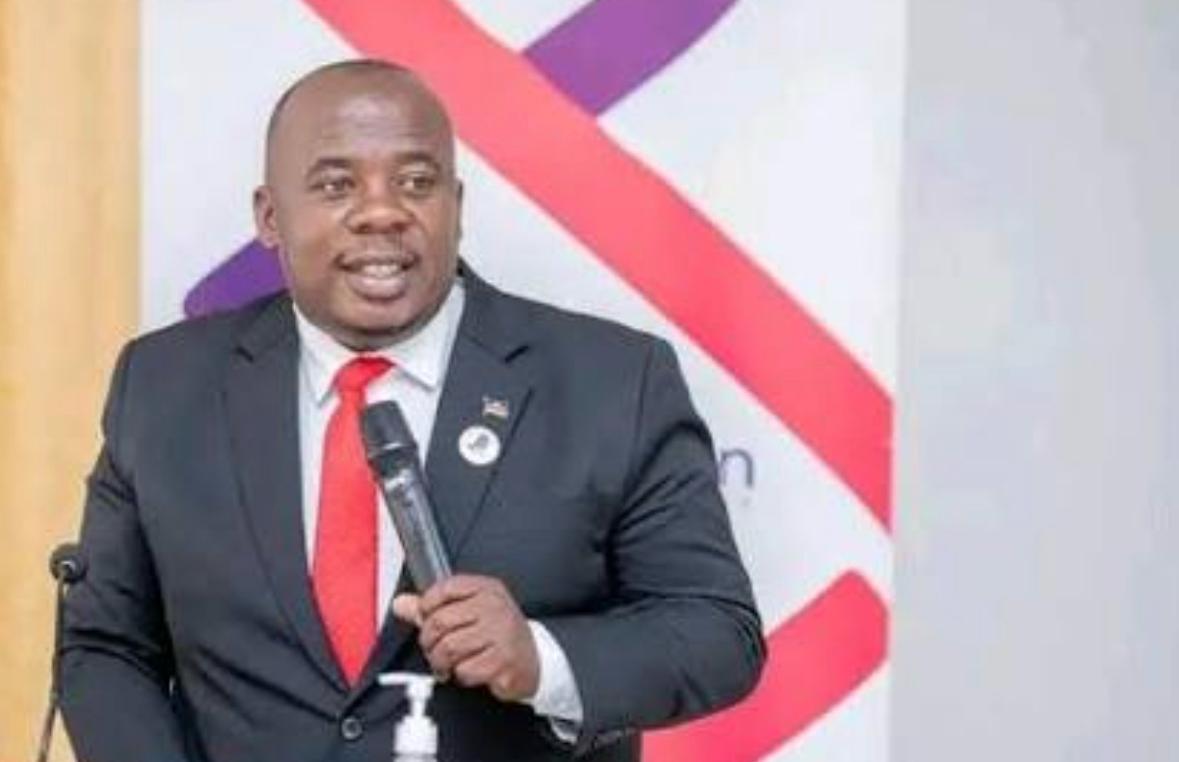
Reacting to the President’s refusal to assent, Jere expressed optimism that the Bill would eventually become law. He told The Forum that once the constitutionally mandated 21-day period lapses, the Bill would be tabled again.
“If it is passed again by a majority, the President will just assent to it,” Jere said.
He argued that the proposed amendment clearly defined the purpose, governance framework and guiding principles for managing and utilising the CDF, with emphasis on transparency, efficiency, accountability and community ownership. He added that it also proposed audit systems and citizen monitoring tools to strengthen transparency and long-term sustainability.
The push for constitutional change comes amid government plans to increase CDF allocations from MWK200 million to MWK5 billion per constituency starting April 2026.
However, the proposed amendment sparked immediate resistance from civil society organisations, which argued that it undermined constitutionalism, weakened local governance structures and reduced accountability in the use of public resources.
Critics warned that the amendment sought to overturn an earlier High Court ruling that removed MPs’ voting rights in district councils and stripped them of executive responsibility over local development planning. The court had ruled that assigning MPs both legislative and executive roles violated the principle of separation of powers.
Benedicto Kondowe, chairperson of the civil society coalition opposing the Bill, described the President’s decision as “constitutionally sound, principled and in the public interest.”
“Presidential assent is not a rubber stamp but a constitutional safeguard meant to prevent unconstitutional, conflicted and court-defiant legislation from taking effect,” Kondowe said.
He cautioned against political brinkmanship following the decision and urged Parliament to realign the Bill with constitutional provisions and binding court judgments.
“Upholding constitutional order today is what preserves democracy, accountability and public trust tomorrow,” Kondowe said.
During parliamentary debate, Dowa East legislator Richard Chimwendo Banda echoed concerns raised by several MPs, warning that parliamentary representation would be undermined if lawmakers were excluded from decision-making at council level.
“What is representation if it only means coming here to allocate MWK5 billion to councils without holding them to account?” he asked, dismissing claims that MPs abuse CDF resources. He said operational responsibilities, including procurement and payments, rest with District Commissioners.
Meanwhile, Mhango assured Malawians that the President’s directive would not weaken constituency development.
“The CDF will be protected,” he said, adding that the forthcoming guidelines would safeguard the fund and ensure proper use of public resources.
—
Also Read: Jere tables CDF Amendment Bill to strengthen MPs’ role in local development
Related: Malawi NGOs close ranks to stop MPs’ ‘overreach’ on CDF
Related: New CDF guidelines allow disaster response expenditure