By Edwin Mauluka
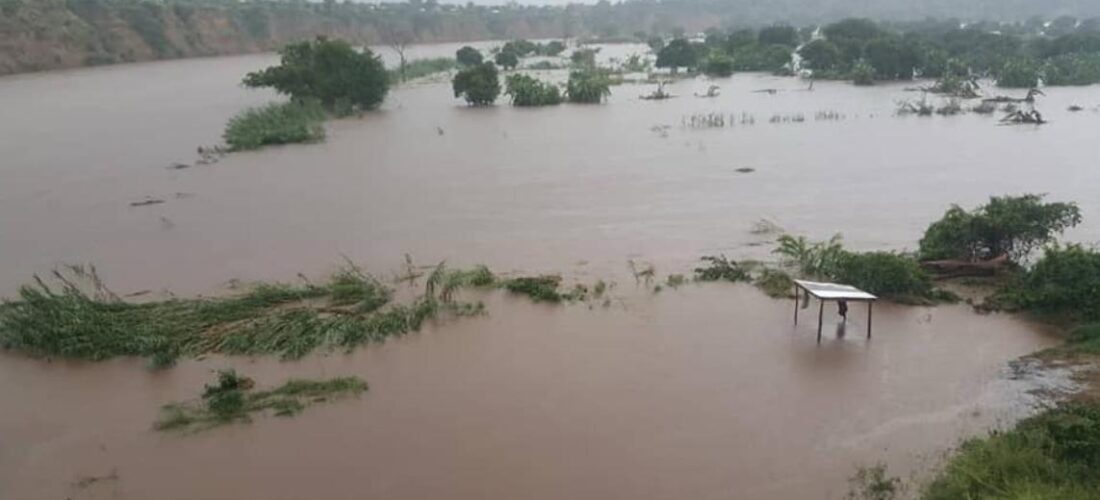
The Ministry of Education, Science and Technology has announced that all public schools in Nkhotakota District will delay reopening for the second term due to flooding caused by heavy rains.
While the national school calendar indicates that the second term begins on Monday, January 5, 2026, schools in Nkhotakota will now open a week later, on Monday, January 12, 2026.
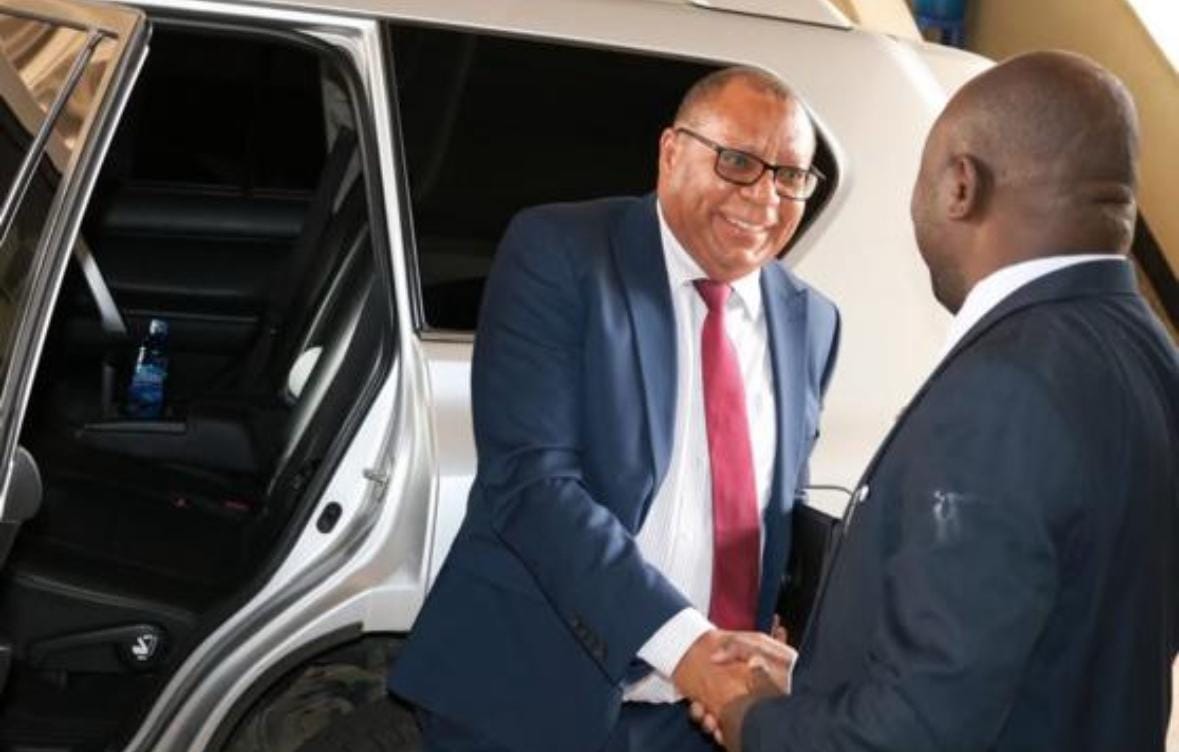
In a statement issued on Saturday, Secretary for Education, Science and Technology Ken Ndala said the decision affects both primary and secondary schools and is intended to allow time for repairs and cleanup.
“The adjustment is due to floods that occurred in the district and is meant to provide sufficient time for repairs, cleaning, and coordination with disaster response teams to restore safe and conducive learning environments,” said Ndala, adding that the ministry is prioritising the safety and well-being of learners and teachers.
The ministry has urged district and divisional education offices, as well as affected schools, to factor in remediation plans to recover lost learning time. Schools have also been advised to closely monitor local weather conditions and only resume classes when it is safe to do so.
Meanwhile, the ministry has confirmed that the implementation of Free Secondary Education (FSE) will commence on January 5, 2026, as announced by President Peter Mutharika during the opening of Parliament for the mid-year budget review. The programme is a Democratic Progressive Party (DPP) campaign pledge from the September 2025 general elections.
“The Ministry of Education, Science and Technology remains committed to implementing Free Secondary Education, whose sustainability depends on shared ownership between government and stakeholders,” Ndala said. “The programme will significantly advance Malawi’s human capital development in line with Malawi 2063.”
Under the FSE programme, examination and identification fees charged by the Malawi National Examinations Board (MANEB), School Development Fund (SDF) contributions, and other user fees have been abolished for learners in public primary and secondary schools.
However, boarding fees will continue to be charged in all boarding public secondary schools, while fees will also still apply to students enrolled in Open Secondary Schools (OSS). Grant-aided schools under the Association of Christian Educators in Malawi (ACEM) will continue to collect boarding fees, with government covering SDF and other user fees through direct grants and Other Recurrent Transactions (ORT), which had already been paid up to December 2025.
Ndala said government has released the first tranche of funding to education division offices, which will transfer the resources to schools ahead of the new term, with the remaining balance expected before the end of January 2026. Funding allocations will be based on student enrolment figures.
He also clarified that bursary providers will now focus on supporting boarding fees and other related entitlements only.
According to the ministry, the introduction of Free Secondary Education will not affect the merit-based selection system for entry into public secondary schools. However, a four-year costed implementation plan is being developed to guide the programme and support the long-term goal of achieving 100 percent transition from primary to secondary education.
“For now, enrolment remains controlled through merit-based selection, so there will not be an immediate need for additional teachers,” Ndala said. “However, the ministry plans to recruit more teachers in the 2026/27 financial year to support double-shift learning, which will be introduced in some schools to increase intake.
—
Also Read: Mutharika orders emergency bridge inspections as heavy rains damage key roads
Related: Malawians weigh rival visions before September 16 vote
Related: Malawi reveals recovery plan to stabilize economy and boost growth