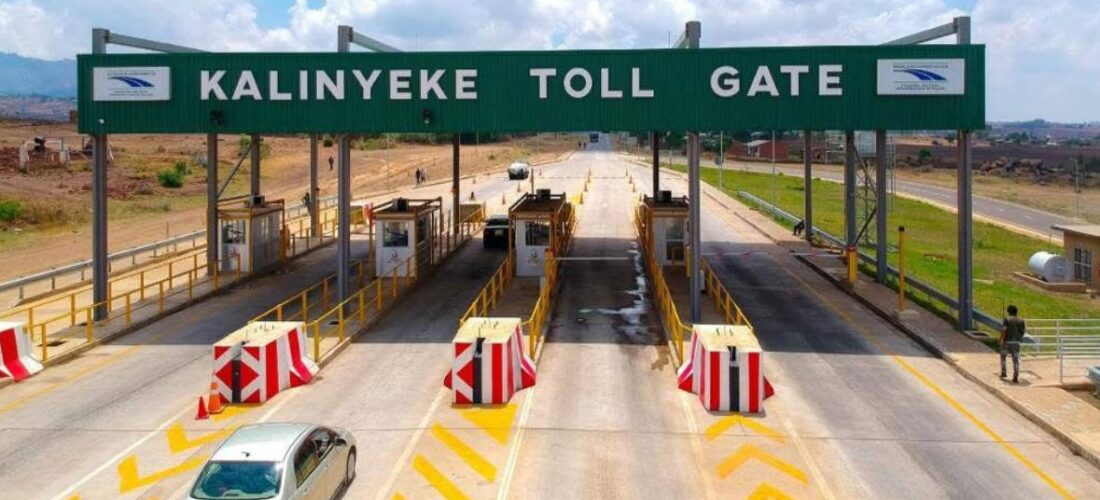
CDEDI calls for quarterly disclosure of toll revenue and spending.
By Edwin Mauluka
The Roads Fund Administration (RFA) has announced plans to increase tollgate fees effective January 1, 2026, citing rising inflation, currency devaluation and a prolonged funding shortfall that it says has crippled routine road maintenance across the country.
According to Stewart Malata, RFA Chief Executive Officer responsible for tollgate collections, the current fees have had minimal impact since they were reduced at the commencement of tollgate operations in November 2021.
“A feasibility study was conducted and recommended rates that would make the tolling initiative viable. However, the subsequent reduction in fees meant we could not collect as much revenue as envisaged,” said Malata.
He added that rising inflation since November 2021, coupled with the devaluation of the Malawi Kwacha — ranging between 25 percent and 44 percent — has significantly increased operational and maintenance costs.
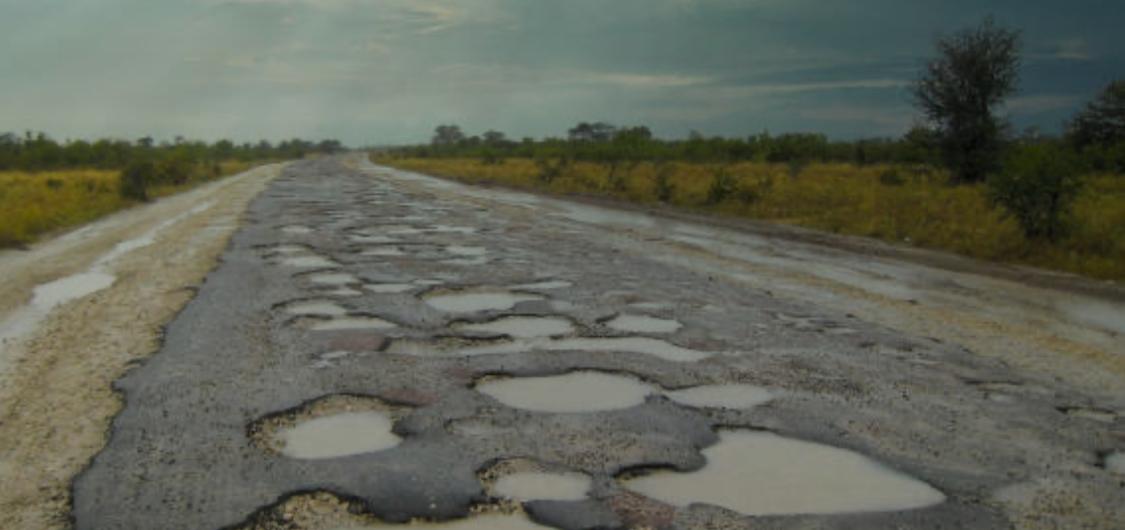
“Against that background, the toll fees have remained constant,” Malata said. “What this has meant is that we have not been able to carry out meaningful maintenance and rehabilitation works. If we continue with the current rates, tolling will lose its purpose and only attract negative publicity. It is therefore absolutely necessary that the rates are revised upwards.”
Malata further disclosed that RFA has gone two and a half years without receiving fuel levy funds, which are a key source of financing for road maintenance in both urban and rural areas.
“Because we haven’t been receiving the fuel levy, we are owed about MWK218 billion. As a result, many rehabilitation programs stalled, and overall road maintenance has suffered,” he said. “This is a policy issue that urgently needs to be revisited because a functional road network is critical to economic development.”
Despite the challenges, RFA says tollgate collections have contributed to some improvements. Since the commencement of tollgate services in 2021, the authority has collected MWK16.5 billion, of which MWK16.2 billion has been spent on operational costs and road maintenance, mainly sectional rehabilitation works.
Reacting to the impact of toll revenue, Roads Authority Chief Executive Officer Ammiel Champiti said tollgate collections have played a significant role in improving sections of the country’s major roads.
“On the M1 road, we have undertaken periodic maintenance at Zalewa, sectional maintenance towards Lilongwe, and repeated patching at various intervals,” Champiti said. “In total, we have done about 2.3 kilometres of periodic maintenance towards Lilongwe, 10 kilometres towards Blantyre from Chingeni, 120 kilometres of patching from Chingeni to Blantyre, and 160 kilometres from Nsipe to Lilongwe.”
Champiti also revealed plans to install additional tollgates to support nationwide road maintenance, once funding challenges are resolved.
“There are plans for the Mangochi Road, two tollgates on the M1 from Lilongwe to Mzuzu, and one on the Mchinji Road,” he said. “Designs were completed, contracts prepared, and tenders evaluated, but implementation was suspended due to funding shortages. Once government releases funds or fuel levy disbursements resume, these projects will proceed.”
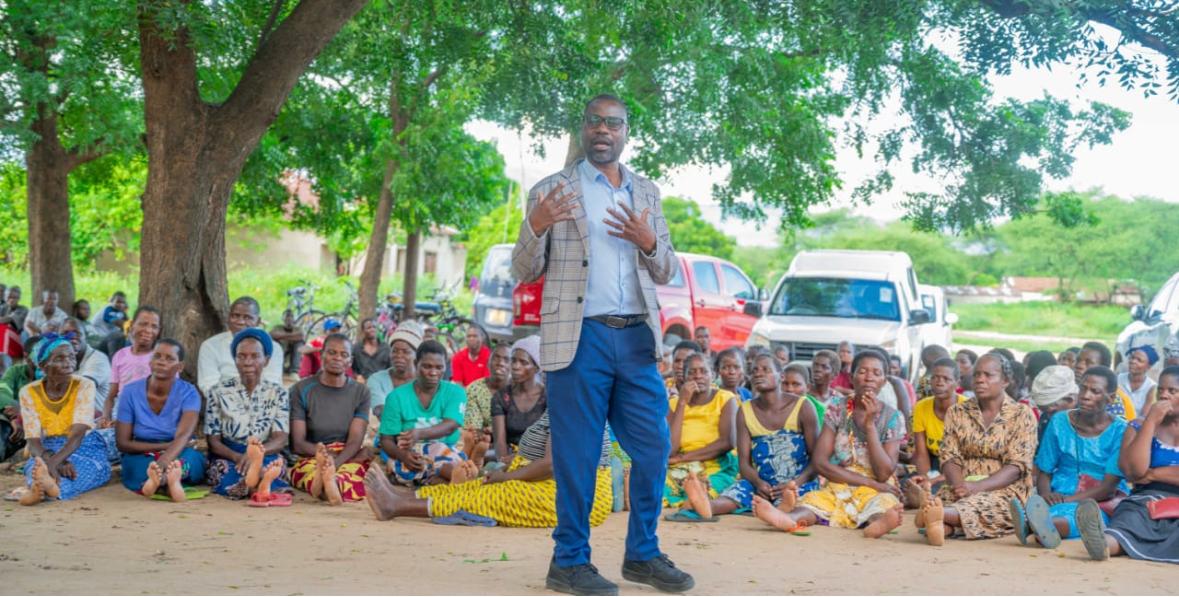
Meanwhile, the Centre for Democracy and Economic Development Initiatives (CDEDI) has urged RFA to regularly publish tollgate revenue and expenditure reports to promote transparency and public trust.
“Transparency and accountability are fundamental in a democratic society,” said Sylvester Namiwa, CDEDI Executive Director. “It has been agreed that every three months, RFA will make public how much has been collected and how it has been spent.”
Namiwa said regular disclosures are necessary as Malawians continue to pay toll fees while questioning the condition of the country’s roads. He commended RFA for the rehabilitation works undertaken on parts of the M1 road and called on government to urgently resume fuel levy disbursements to the authority.