By Edwin Mauluka
The Malawi National Assembly on Thursday referred a petition calling for the use of indigenous languages in parliamentary proceedings to the Legal Affairs Committee for review.
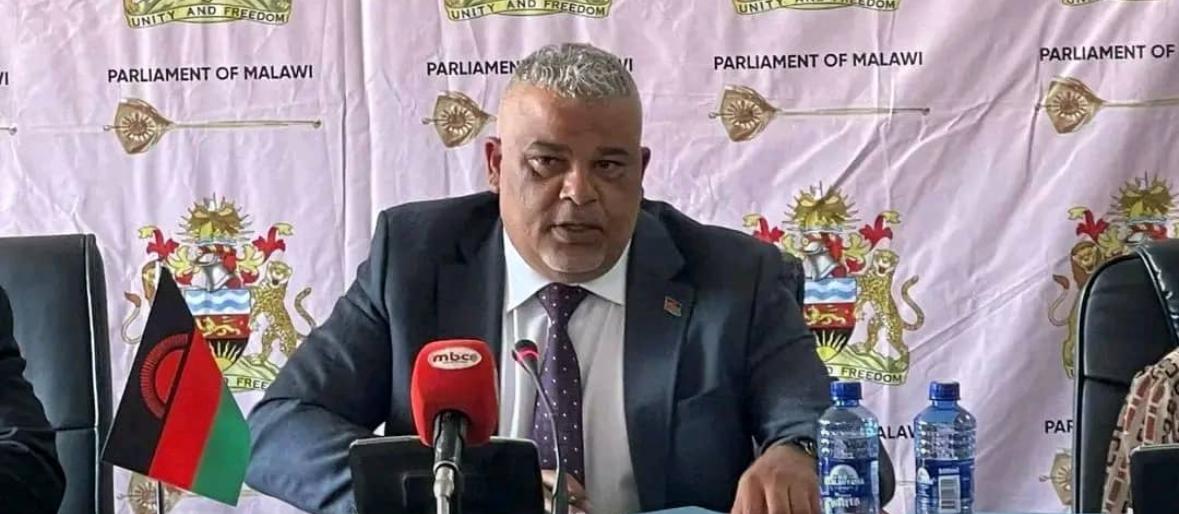
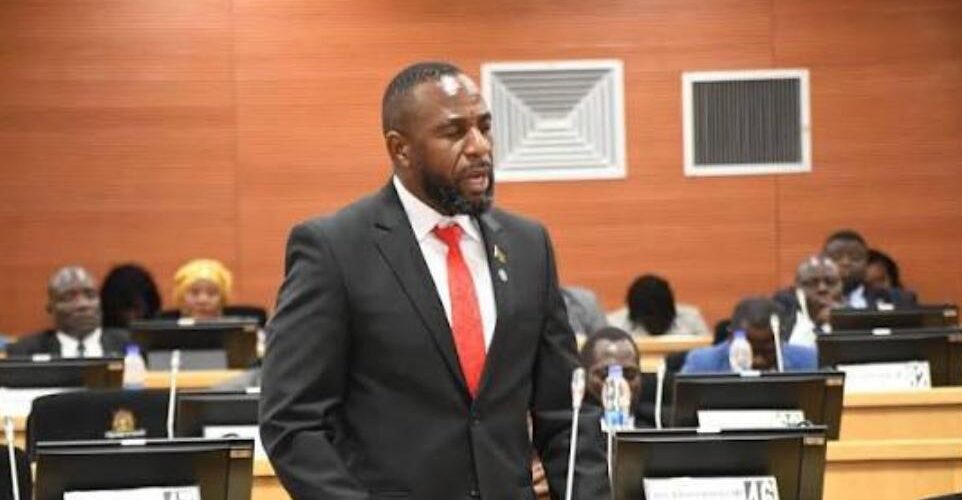
Zomba City North MP Bester Awali, who received the petition from concerned citizens on 13 November 2025, presented it to the House and proposed its referral.
“I propose that this petition be referred to the Legal Affairs Committee so it can be scrutinised, and a report brought back to this August House in due course,” Awali said.
The petition, championed by the Centre for Democracy and Economic Development Initiatives (CDEDI) and the Lost History Foundation (LHF), asks Parliament to formulate Standing Orders allowing the use of indigenous languages in the chamber, supported by translation facilities.
According to the petitioners, this is the right moment for lawmakers to act under Chapter VI, Section 56(5) of the Constitution to accommodate both indigenous and sign languages. They argue that doing so would improve the quality of debate, promote diversity, and make parliamentary discussions more accessible to ordinary Malawians.
Presenting the petition, Awali said the petitioners believe multilingual debates would enrich national discourse while strengthening linguistic inclusivity as outlined in Malawi’s constitutional values.
“Honourable Speaker, this petition is grounded in the principles of linguistic justice and cultural equity enshrined in the Constitution, particularly Sections 12, 13, and 26, which guarantee cultural development and the right of every person to use a language of their choice,” he informed the House.
Awali added that the petition underscores language as a cornerstone of national identity, civic participation, and cultural heritage. Malawi’s indigenous languages, he said, carry the wisdom, values, and collective memory of its people.
He stressed that the petition reflects a firm conviction that language is more than a means of communication — it is a vessel of culture, memory, and identity — and that celebrating multilingualism aligns with the national vision of embracing diversity.
—
Related: Malawi’s language debate needs more than good intentions