By Edwin Mauluka
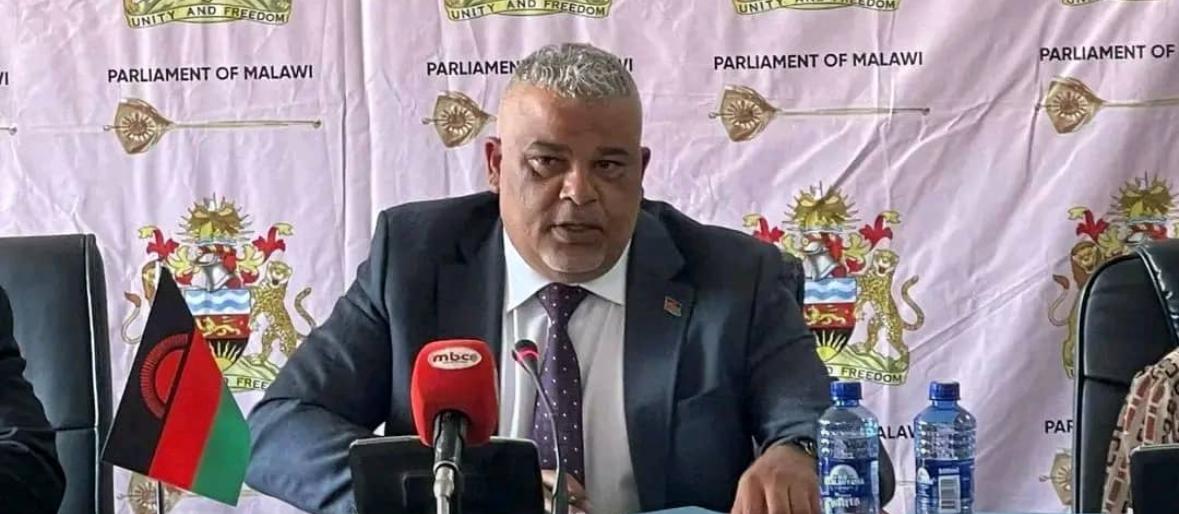
Mzimba South legislator Emmanuel Chambulanyina Jere on Thursday tabled the Constitution Amendment (Private Members Bill No. 2 of 2025), seeking to establish a clear legal framework for the Constituency Development Fund (CDF) and define the role of Members of Parliament in its management.
Presenting the bill, Jere said it outlines the purpose of the CDF, its governance structure, guiding principles, and rules for management and utilisation. He said the legislation rests on four key principles: transparency, efficiency, accountability, and community ownership.
Jere added that the amendment proposes audit mechanisms and citizen-driven monitoring tools to strengthen transparency, effectiveness, and long-term sustainability of the CDF.
“This Constitution amendment bill proposes the insertion of a new Chapter XIV (a) to provide for these four areas,” he said. “But this is not the end. These provisions are not sufficient, and we will soon return to the House with a full CDF Bill that will build on this amendment and provide detailed management arrangements. This amendment merely lays the foundation.”
Also Read: Jere to table CDF amendment bill as debate intensifies over MPs’ powers
He assured Parliament that the forthcoming bill will undergo thorough consultations, including input from other parliaments within the southern African region, before being tabled for consideration.
Seconding the bill, Dowa East MP Richard Chimwendo Banda, speaking on behalf of the Malawi Congress Party (MCP), said the party supports the amendment because it strengthens MPs’ role in driving development projects and fulfilling their mandate as representatives of the people.
He argued that representation becomes meaningless if MPs are excluded from decision-making at council level.
“What is representation if it only means coming here to allocate MWK5 billion to councils without holding them to account?” he asked.
Chimwendo dismissed claims that MPs abuse CDF resources, saying such accusations come from civil society groups that lack facts.
“Let me be honest with you. If resources have been abused in this country, it is not through CDF alone. Even the District Development Fund and Local Development Fund have been abused,” he said. He added that MPs do not write cheques or collect quotations, stressing that those duties fall under District Commissioners as controlling officers.

“What we want is simple: anything that happens in my constituency, I need to know what is happening,” he said, drawing loud applause.
He further argued that while communities should decide how CDF resources are used, MPs should have the final authority to approve development projects. Once approved, District Commissioners would handle procurement and payments.
The bill has since been referred to Parliament’s Legal Affairs Committee for further scrutiny. Leader of the House Jappie Mhango supported the referral, but Leader of Opposition Simplex Chithyola opposed the move, arguing that Parliament retains power over its committees.
However, the Committee’s Vice Chairperson, Gift Nankhuni, told the House the committee had already resolved to review the bill and present its findings next Monday.
Delivering his ruling, Speaker of Parliament Sameer Suleman reminded members that bills are referred to relevant committees before first reading. He directed the Legal Affairs Committee to expedite its review and submit a report by Tuesday, December 2, 2025. Debate on the bill is expected to resume on Thursday, December 4, once the report is presented.
Meanwhile, several non-governmental organisations have demanded the withdrawal of the proposed amendment, arguing that it undermines constitutionalism, weakens local governance, and threatens accountability in the use of public resources.
Related: Malawi NGOs close ranks to stop MPs’ ‘overreach’ on CDF
They warn that passing the bill would overturn a recent High Court ruling that removed MPs’ voting rights in district councils and stripped them of primary responsibility over local development planning. The Court found the previous CDF guidelines unconstitutional, saying MPs’ dual roles placed them in both the legislative and executive arms of government, violating separation of powers.
“It is sad that they want to rewrite the Constitution for partisan convenience and hand Members of Parliament unchecked authority over public resources,” said Benedicto Kondowe, chairperson of the civil society groups. “It is an assault on constitutionalism, a betrayal of judicial authority, and a blatant attempt to entrench political control over development financing.”
—
Related: Speaker pushes for fast-tracked CDF guidelines amid MPs’ roles debate