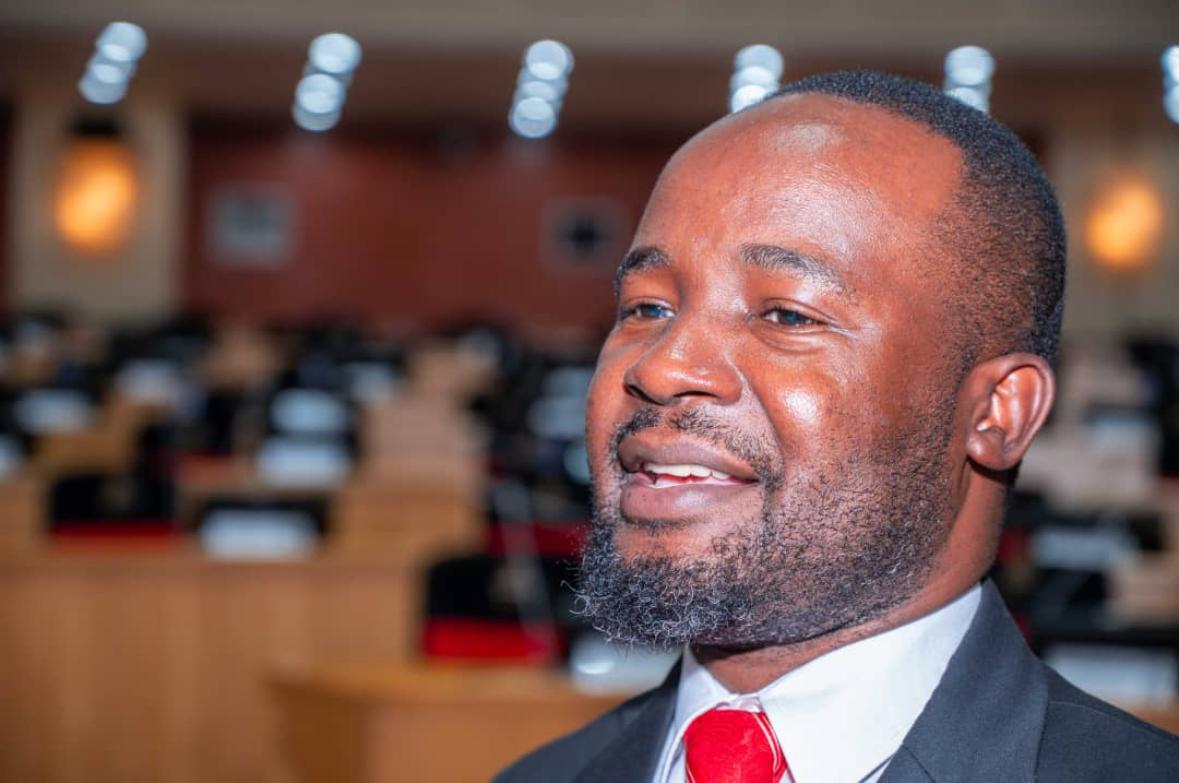

By Edwin Mauluka
The Budget and Finance Committee of Parliament has urged the Malawi Government to balance domestic revenue mobilisation with strict expenditure discipline, warning that overreliance on higher taxes risks worsening economic hardship.
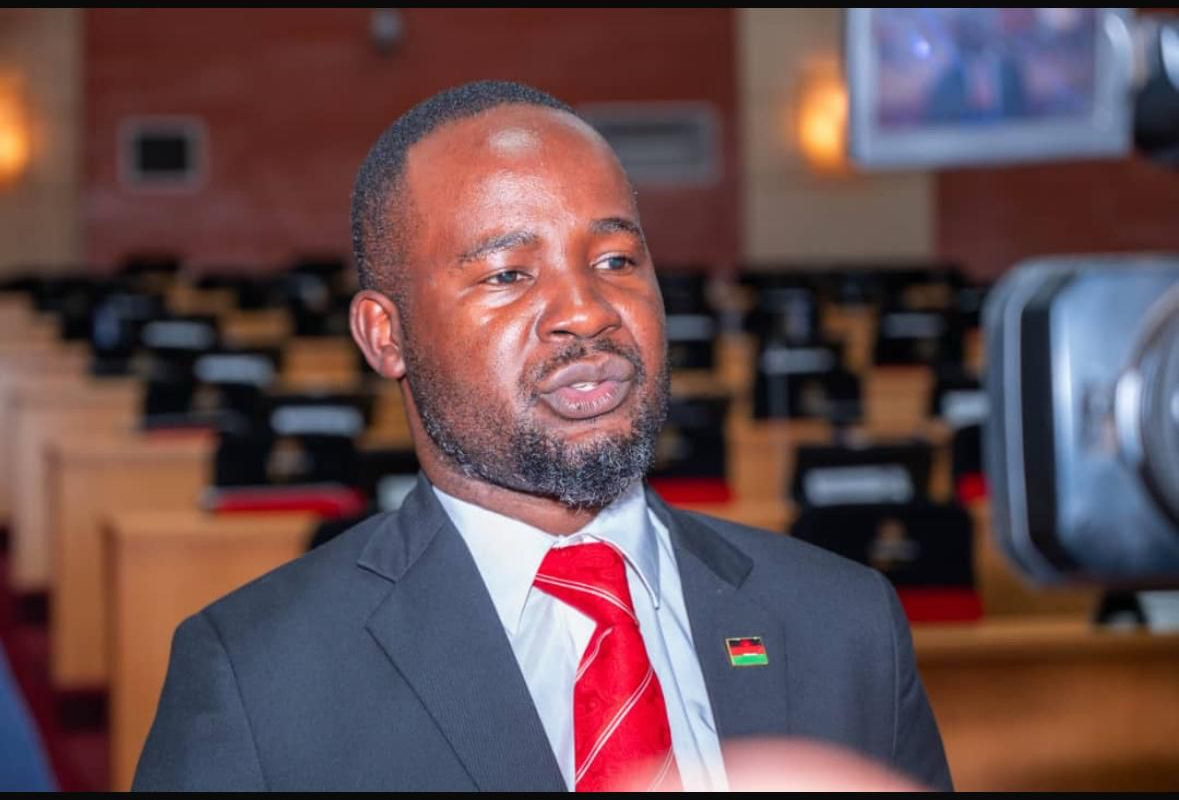
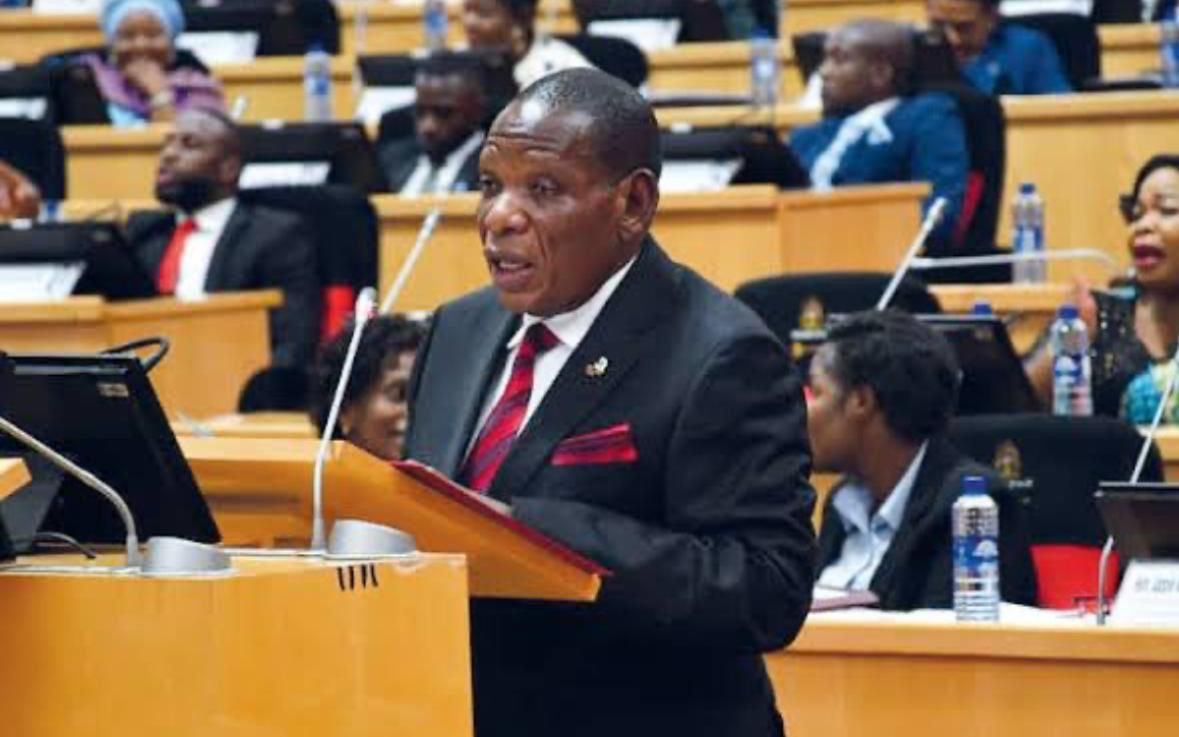
Committee chairperson Sosten Gwengwe delivered the remarks on Monday in Parliament when presenting the committee’s official response to the Mid-Year Budget Statement delivered by Finance Minister Joseph Mwavamvekha.
Gwengwe said Malawi must prioritise a “balanced approach” that protects vulnerable citizens, restores fiscal sustainability, and supports private sector–led growth. He warned that budget overruns and escalating borrowing costs must be avoided in the second half of the financial year through stronger revenue efforts and tighter spending controls.
On rental income tax, he called for stronger enforcement supported by digital tools, including fast-tracking the national digital addressing system and integrating compliance checks across key public registries — such as the Malawi Traffic Registration System and the Land Registration System. He suggested linking access to certain public services to proof of withholding tax compliance.
On gambling and lottery winnings, Gwengwe said the committee supports raising withholding tax from 10 to 15 percent but argued that a 20 percent rate would generate more revenue without harming the rapidly growing industry.
However, he warned that the proposed VAT increase from 16.5 percent to 17.5 percent is likely to worsen the cost of living. He said Malawi’s VAT structure has become fragmented over time, with numerous exemptions that narrow the tax base and create loopholes, making administration inefficient.
“The committee recommends a comprehensive review of the VAT Act to modernise the framework,” he said. “If done properly, VAT should be going down, not up.”
Turning to expenditure, Gwengwe said some of the revised allocations to welfare-related programs undermine the government’s stated austerity measures.
“Government must make deliberate policy choices,” he said. “We cannot expand welfare spending and enforce austerity at the same time. Resources must shift toward productive investment that stimulates growth, creates jobs, and strengthens long-term fiscal stability.”
He criticised the downward revision of the development budget due to a slowdown in donor-funded projects, arguing that Malawi must urgently address persistent bottlenecks in procurement, implementation and forex availability.
“The minister should not simply lament the system’s failure to absorb project funds,” he said. “These are chronic problems that require drastic solutions. It makes no sense to fail to spend money already available, especially in our current situation.”
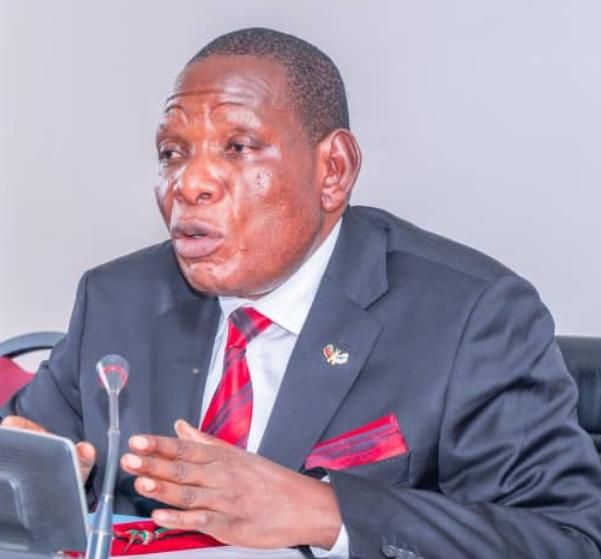
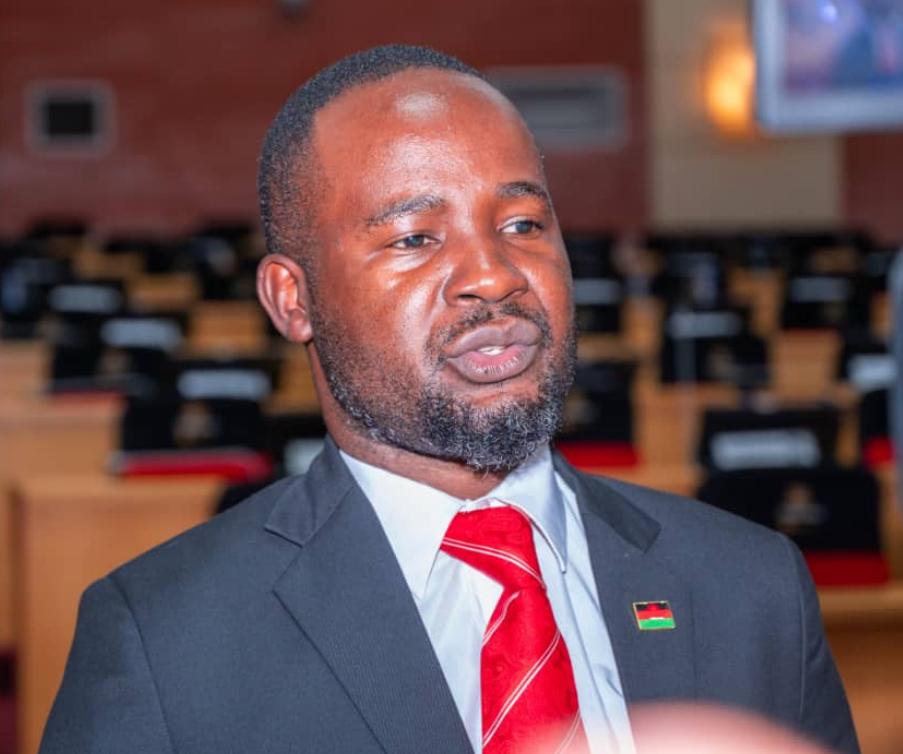
Gwengwe expressed concern over the widening budget deficit, which has increased by MWK630.18 billion — with MWK586.77 billion financed through domestic borrowing. Domestic debt now accounts for 94 percent of deficit financing, a level he described as dangerous.
To reduce the heavy cost of interest payments ( more than MWK2 trillion owed largely to seven or eight local banks) the committee proposed exploring domestic debt restructuring. He acknowledged the risks, including pressure on banks and reduced access to short-term financing, but said government must still find a fair solution.
“If banks cannot accept restructuring, then government must design a win-win approach,” he said, suggesting targeted taxation on the financial sector as one option. The proposal drew applause from both sides of the House.
Gwengwe said strengthening foreign exchange reserves requires export diversification, improved regulatory governance in high-potential sectors such as mining, accelerated industrialisation, and faster progress on negotiations with development partners, including the IMF’s Extended Credit Facility.
He also encouraged government to pursue alternative, non-tax revenue sources that do not increase the burden on ordinary Malawians. These include constructing new tollgates, revising existing toll fees, and formalising the management of bus depots and taxi ranks currently controlled by private operators.
“The committee is committed to working with government on alternative revenue options that protect Malawians while maintaining market stability,” he said.
The committee has also asked the minister to present a detailed assessment of the impact of the new PAYE bracket on both employee take-home pay and national revenue performance. Additionally, it wants clarification on why PAYE collections underperformed in the first half of the year despite increased recruitments and promotions, which pushed wages and salaries above projections.