By Edwin Mauluka
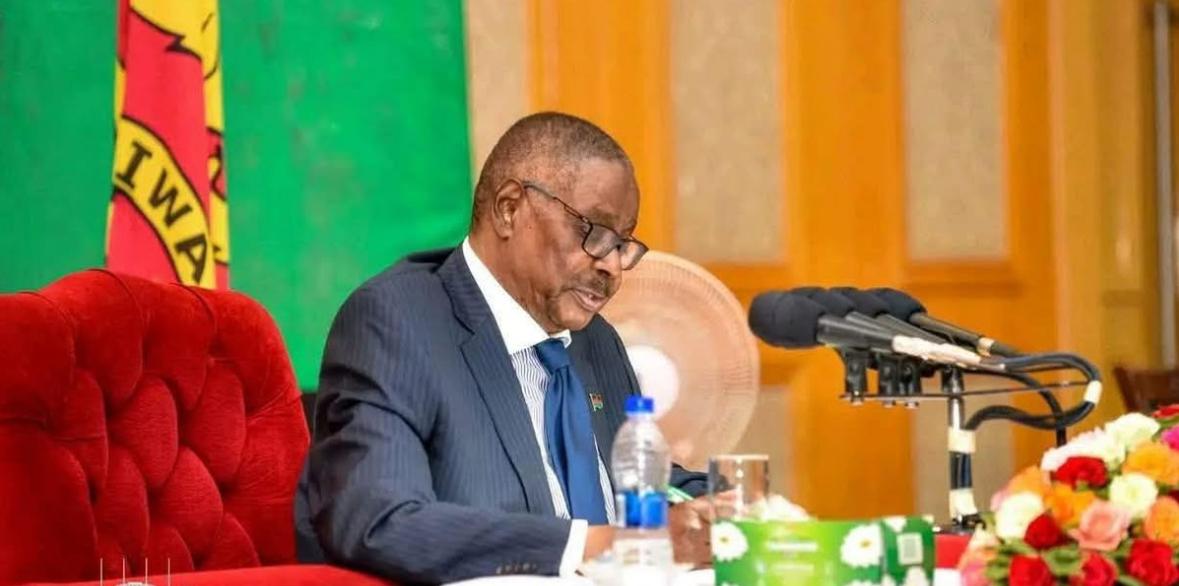
The Malawi government has rolled out a series of new tax and non-tax revenue measures for implementation in the second half of the 2025/2026 financial year, signalling a firm shift toward restoring fiscal discipline and stabilising the economy.
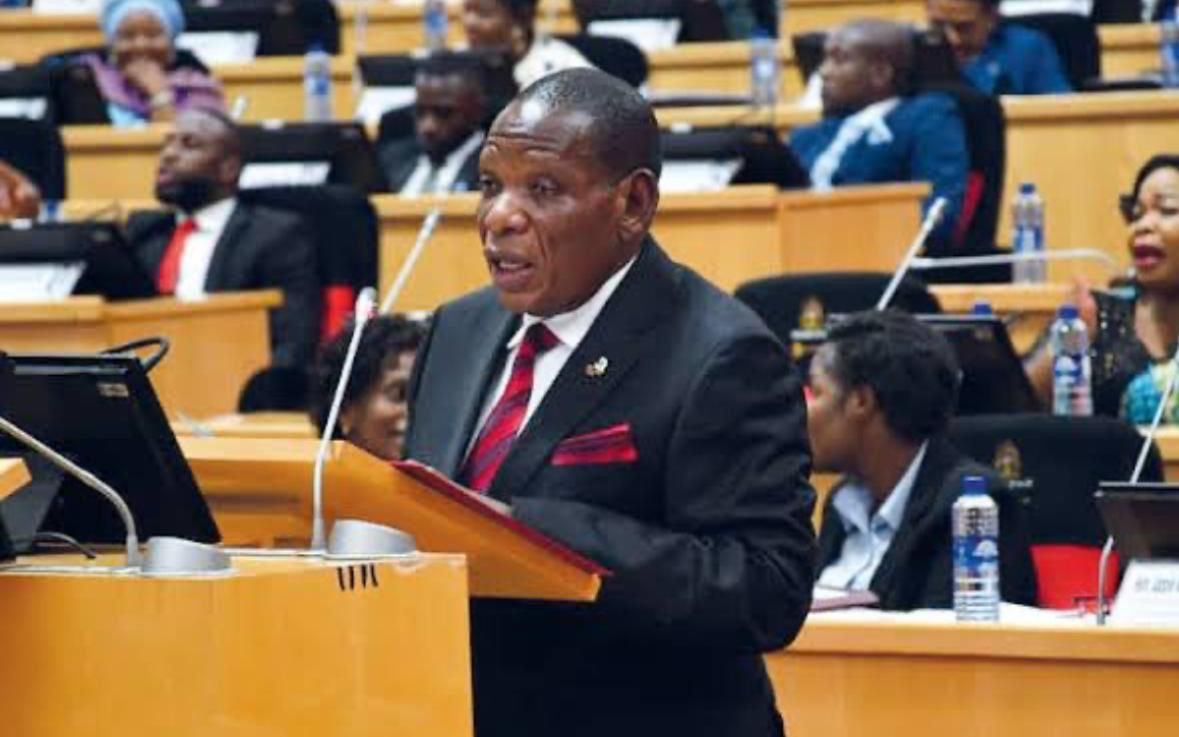
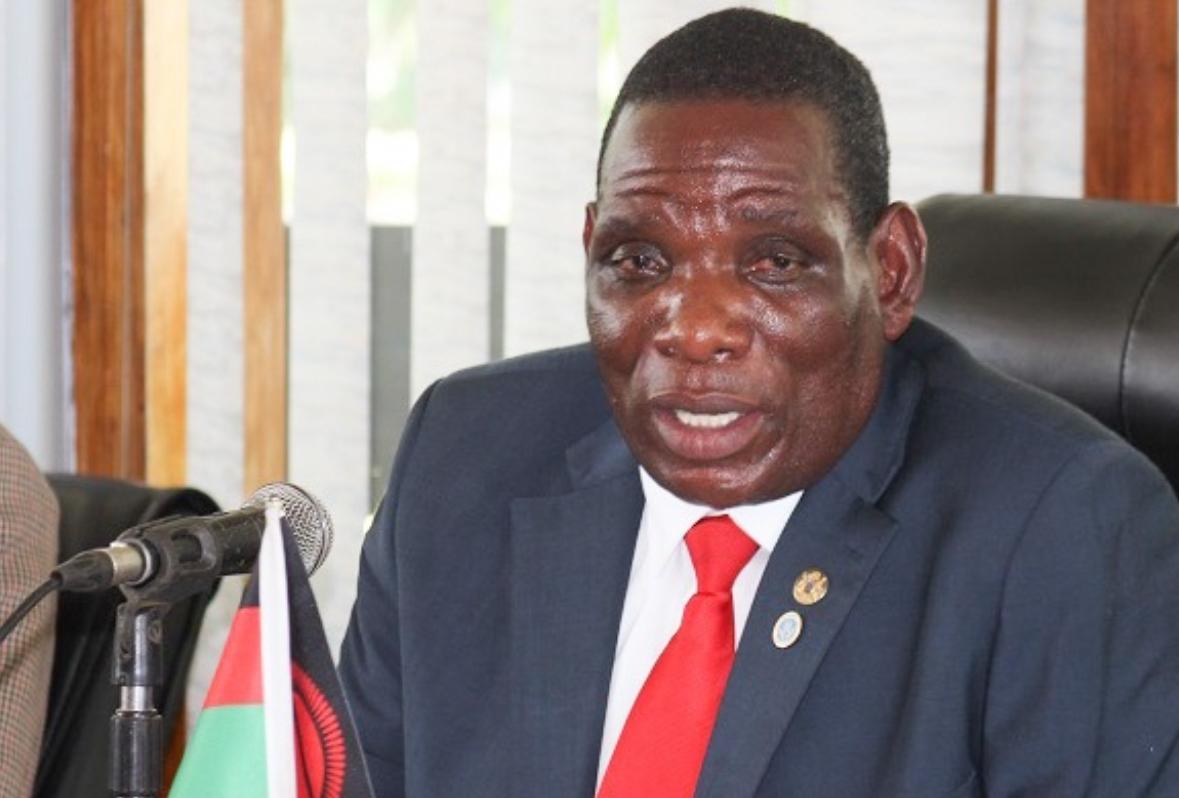
Announcing the reforms in Parliament on Friday, Minister of Finance, Economic Planning and Decentralisation Joseph Mwanamvekha said the measures are essential to rebuild public finances after inheriting what he described as a “fragile economy” from the former Malawi Congress Party (MCP) administration.
He cited unsustainable debt levels, widened fiscal deficits, depleted foreign exchange reserves and weakened investor confidence as key challenges that compelled the government to take “decisive action.”
“It is within this challenging context that this administration has been compelled to act, not out of choice, but out of necessity,” said Mwanamvekha, urging Malawians and stakeholders to support the reforms as part of a broader effort to restore stability and position the country for sustainable growth.
The minister singled out residential property owners, particularly in Mzuzu, Lilongwe, Zomba and Blantyre, who collect rental income without paying taxes.
He said the government has directed the Malawi Revenue Authority (MRA) to immediately begin enforcing rental income tax, accompanied by a comprehensive landlord registration exercise.
MRA will receive supporting data from ESCOM, water boards, Malawi Housing Corporation, city councils and the Ministry of Lands to verify property ownership in low-density areas.
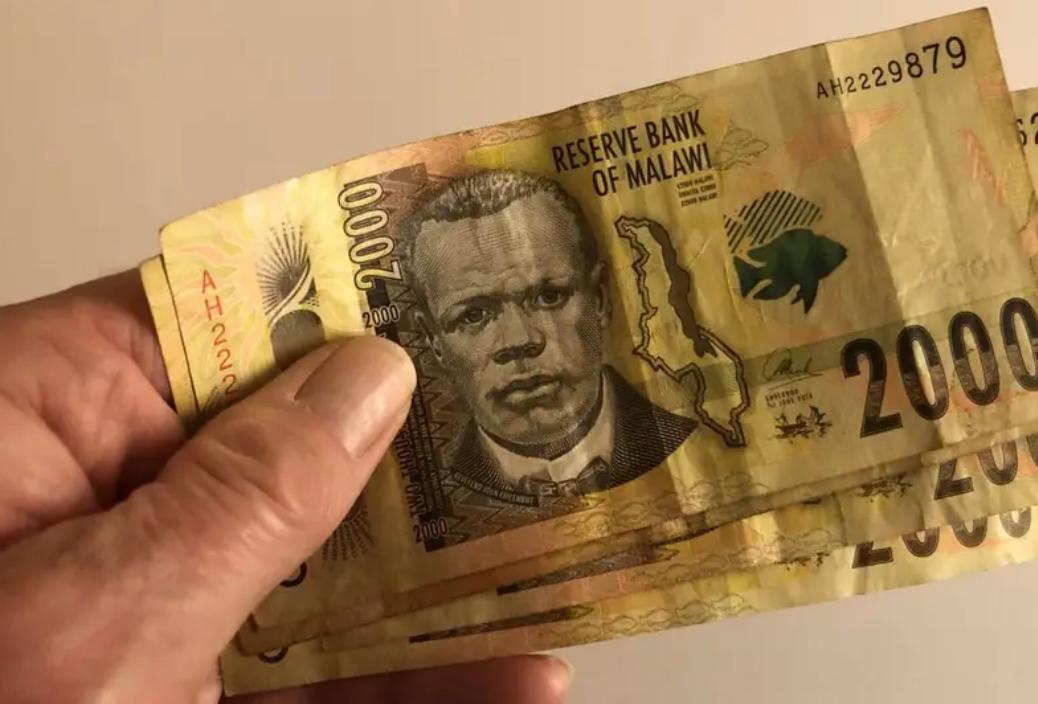
The minister announced a 0.05 percent Bank Transfer Levy introduced on all bank transfers, along with a 0.05 percent Mobile Money Transfer Levy on transactions above K100,000, paid by the sender. Mwanamvekha said the mobile money levy protects low-income earners and mirrors policies implemented in Uganda, Zambia and Zimbabwe.
To encourage electronic payments, mobile money limits have been raised as follows: Daily transaction limit from K750,000 to K5 million; daily cash-out limit from K750,000 to K1 million and wallet holding limit from K1 million to K5 million. For merchant accounts, both holding and daily transaction limits have been increased from K25 million to K50 million.
The minister also announced a rise in the PAYE zero-rate threshold from K150,000 to K170,000 monthly income, offering relief to low-income earners. For companies, a supernormal profit tax will be applied on profits above K5 billion.
To widen the tax base, a 15% tax on all betting and lottery winnings has been introduced: Minimum Alternate Tax (MAT) of 0.5% of turnover will apply to large companies that continue operating while perpetually declaring losses. Startups and small enterprises are exempt unless they have over K5 billion in annual turnover and have been operating for more than three years.
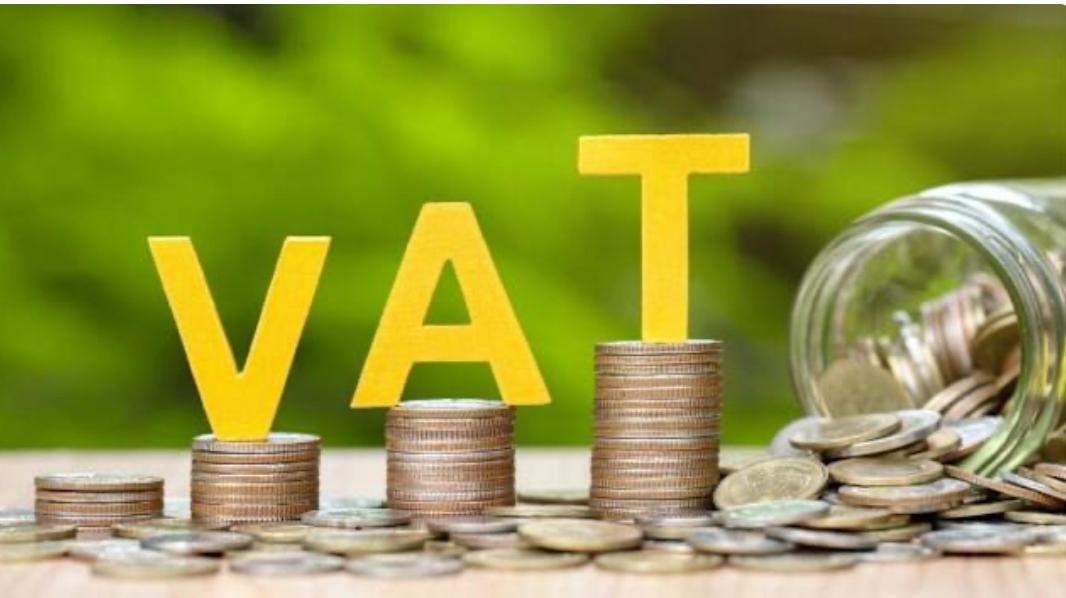
The government has reinstated a 20% surcharge on imported cement, and VAT has been increased from 16.5% to 17.5% to strengthen revenue mobilisation and cut the fiscal deficit in the medium term.
Mwanamvekha warned that heavy penalties will be enforced against businesses that do not issue VAT receipts, and he directed ministries, departments, agencies, parastatals and NGOs to stop requesting tax waivers, insisting the national budget is fully tax-inclusive.
The minister further announced new non-tax measures, including a Motor Vehicle Accident Fund Levy of 2 percent on all motor vehicle insurance policies to secure additional financing for the Ministry of Health. Additionally, visa-free access to Malawi has been revoked with immediate effect, and visa fees will now apply on a reciprocity basis. The government will also enforce strict remittance rules for all revenue collected by ministries, departments and agencies.