By Edwin Mauluka
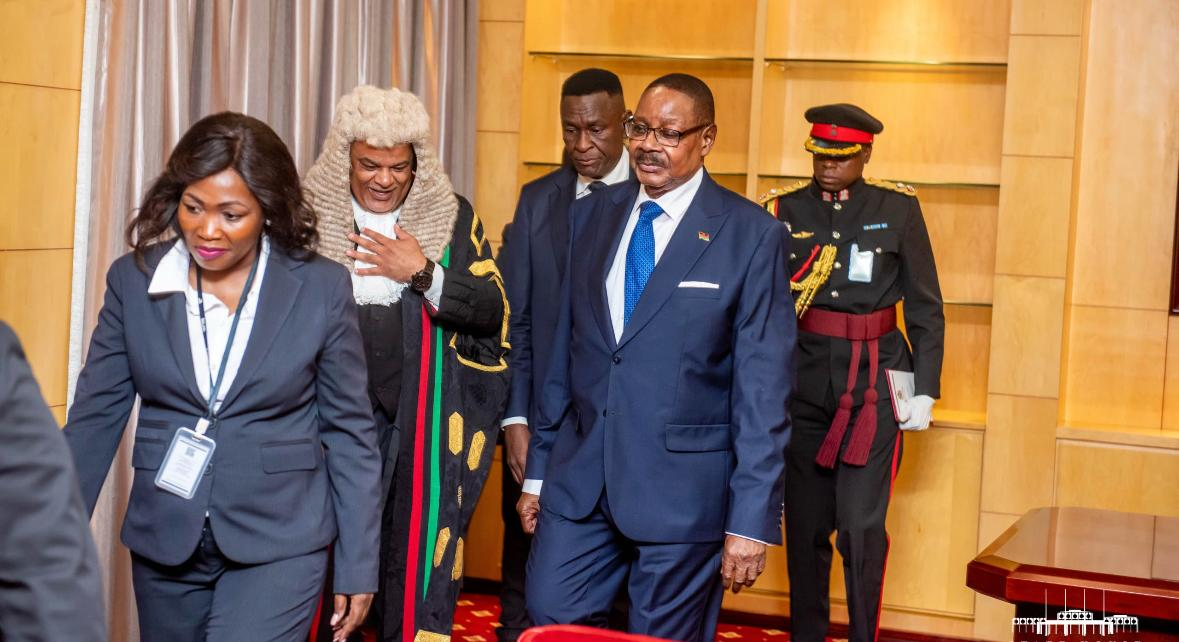
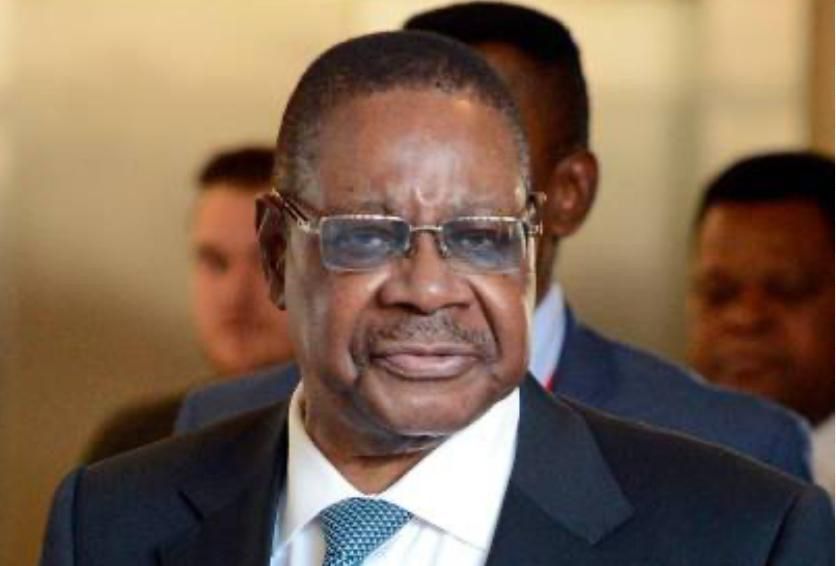
Malawi’s former president, Lazarus Chakwera, has been appointed by the Commonwealth to lead a peace mission to Tanzania following reports of deadly election violence.
The appointment comes amid widespread allegations of human rights abuses, including unlawful detentions, killings, and enforced disappearances, after elections last month in which Samia Suluhu Hassan was declared president. Observers and opposition parties said the polls failed to meet democratic standards, noting that major rivals were barred from contesting, which triggered protests brutally dispersed by security forces.
Speaking to journalists in Lilongwe on Monday, Chakwera said the Commonwealth Secretary General sought his intervention because she believes he can “contribute to safeguarding Tanzanians’ enjoyment of democracy, human rights, and peace, values shared by all 56 Commonwealth member states.”
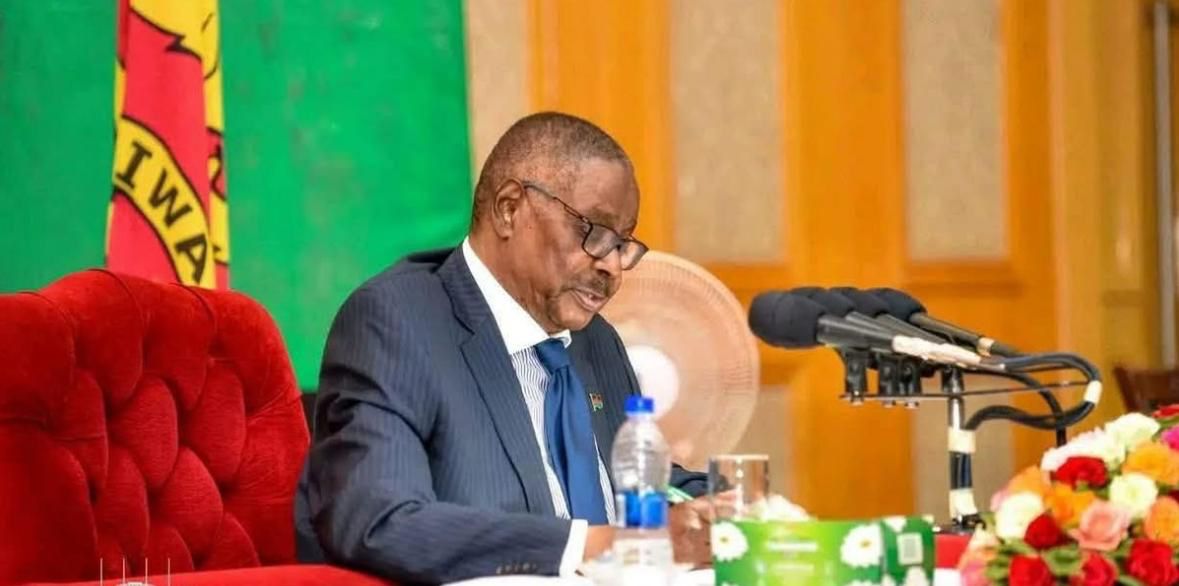
Chakwera also revealed that President Peter Mutharika has approved his involvement after discussions between the two leaders.
“I have informed the Commonwealth Secretary General of my acceptance of the mission, provided the Tanzanian government welcomes my engagement as a neighbour and friend committed to promoting peace,” he said.
A team of technocrats from the Commonwealth Secretariat arrived in Dar es Salaam on Monday to assess the country’s readiness for the proposed dialogue efforts.
Chakwera attributed his appointment to Malawi’s peaceful September 16, 2025 elections and the orderly transition of power, saying Malawi is now well-positioned to promote peace in the region.
“We as a nation are in a unique position to promote peace wherever it is under threat, especially in our own neighbourhood,” he said. “If it were not for your love of peace as Malawians, the Commonwealth would not have asked a Malawian to lead this mission.”
Chakwera lost his re-election bid in September to Democratic Progressive Party leader Peter Mutharika, describing the defeat as “painful.” He has since urged Malawi Congress Party supporters to remain united and peaceful.
“The way we treat others when we have suffered loss signals to the whole country whether we care about the pain Malawians are going through, or only our own pain as a party,” he said. “This is a test from God; a test to show that even in pain, we will not use that pain as a license to destroy or dehumanize others.”
He called on party members to channel their disappointment into constructive reflection and to conduct a thorough postmortem of the elections to understand why Malawians voted for change.
“This will help us rebuild trust and return to power,” he said, adding, “As long as I remain president of this party, I will not rest until we achieve that goal.”