
EDITORIAL | The Forum
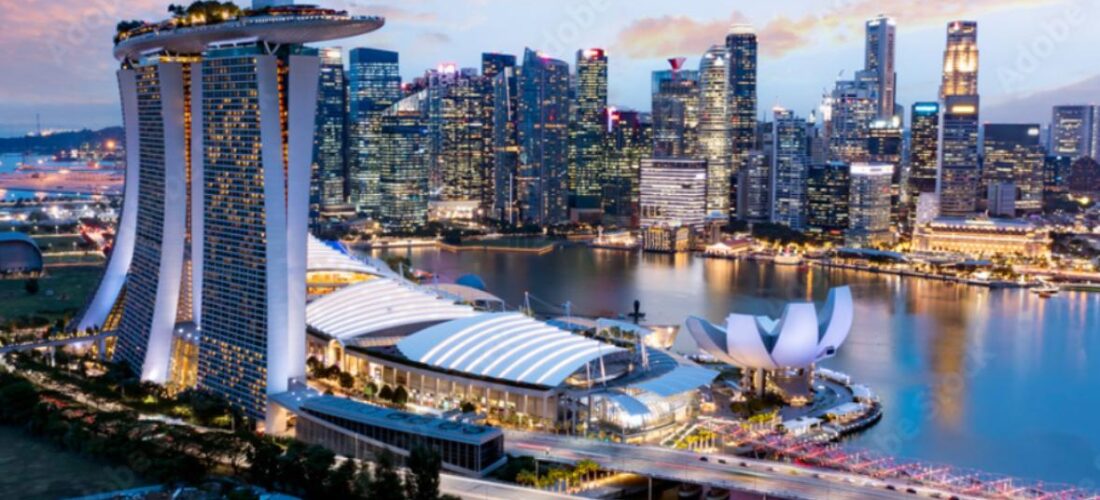
During campaigning in the lead up to the September 16 elections, Peter Mutharika promised to turn Malawi into a Singapore. Since reclaiming the presidency, every opportunity he gets, he reminds the nation about rebuilding the country, starting with the civil service where he admits, “service delivery across all sectors has collapsed.” Mutharika’s is an ambitious vision. But ambitions require foundations, and Malawi’s foundations are quite literally cracking.
Mutharika has repeatedly argued that Malawi must shift from an import-dependent nation to an export-driven economy if it wants to prosper. Sixty years after political independence, we still rely on donors for basics and on this point, the president is right. Until Malawi produces high-quality goods that can compete on the global market, talk of economic transformation remains just that: talk.
This reality was laid bare during a recent tour of the Salima–Lilongwe Water Supply Project. Khato Civils, the contractor, explained why it is importing some materials Malawi already manufactures. Lucas Kondowe, the company’s Director of Finance and Planning, put it plainly: local cement failed strength tests for water-retaining structures, and bricks that met the required standards cost six times more than those from South Africa. To ensure quality and protect taxpayer money, the company opted for imports.
It is a sobering reminder of something Malawians already know from residential construction: cutting corners today guarantees collapse tomorrow. Older government-built structures have survived precisely because they were produced under strict supervision. In the past, the Bricks and Tile Works unit under the Ministry of Works required suppliers to submit samples for water-soak durability testing. Only bricks that survived the process made the cut. Today, those buildings still stand as quiet proof that quality control once mattered in this country.
So what went wrong? Where did our national standards go? And how can we hope to become “the Singapore of Africa” if our building blocks — literal and figurative — are substandard?
Singapore didn’t rise by wishful thinking. When it gained independence in 1965, just one year after Malawi, it faced joblessness, overcrowding and no natural resources to speak of. Its success story hinged on something far more valuable than minerals: discipline, long-term planning, a corruption-resistant public service, an unwavering commitment to quality, and a government that delivered on its promises. Today, its exports range from machinery to chemicals to precious metals, all built on a culture of excellence.
Malawi’s path need not mirror Singapore’s, but the lesson is clear: development begins with getting the basics right. That means producing cement that holds, bricks that last, and goods that meet international standards. It means institutions that regulate quality, enforce rules, and punish shortcuts. It means a mindset shift, from “good enough” to “good for decades.”
We don’t need to be an island nation like Singapore to transform; we need leadership willing to insist on excellence, and industries willing to deliver it. Until Malawi can manufacture materials worthy of the infrastructure it dreams about, Singapore will remain a slogan, not a destination. So, if we are serious about prosperity, we must begin where every strong nation begins, with quality.
—-
The Forum included views from veteran journalist Sunday Mkandawire in this editorial. He is not affiliated with this project.


