
By Edwin Mauluka
Concerned citizens have petitioned the Malawi National Assembly to adopt indigenous languages in parliamentary proceedings, arguing that multilingual debates would enrich national discourse and make Parliament more accessible to ordinary Malawians.
The petition, signed by more than 50 people, was delivered Thursday by the Centre for Democracy and Economic Development Initiatives (CDEDI) and the Lost History Foundation (LHF). It urges lawmakers to amend Standing Orders to allow the use of indigenous languages alongside English, supported by translation facilities.
CDEDI executive director Sylvester Namiwa said the push for linguistic inclusivity is rooted in the country’s constitutional values.
“Language is the foundation of national identity, civic participation, and cultural heritage,” he said. “Malawi’s indigenous languages embody the wisdom, values, and collective memory of its people.”
He argued that embracing local languages in Parliament would improve the quality of debate and advance the principles of linguistic justice and cultural equity reflected in Sections 12, 13, and 26 of the Constitution, which safeguard equality, cultural development, and the right to use one’s language.
“Language is not merely a tool of communication but a vessel of culture, memory, and identity,” Namiwa said, adding that multilingualism aligns with a national vision that celebrates diversity.
LHF executive director Conleith Selenje said this is the right moment for lawmakers to formulate Standing Orders under Chapter VI, Section 56(5) of the Constitution to accommodate both indigenous and sign languages in parliamentary proceedings.
“Parliament should also consider measures that promote, preserve, and celebrate Malawi’s linguistic and cultural diversity,” he added.
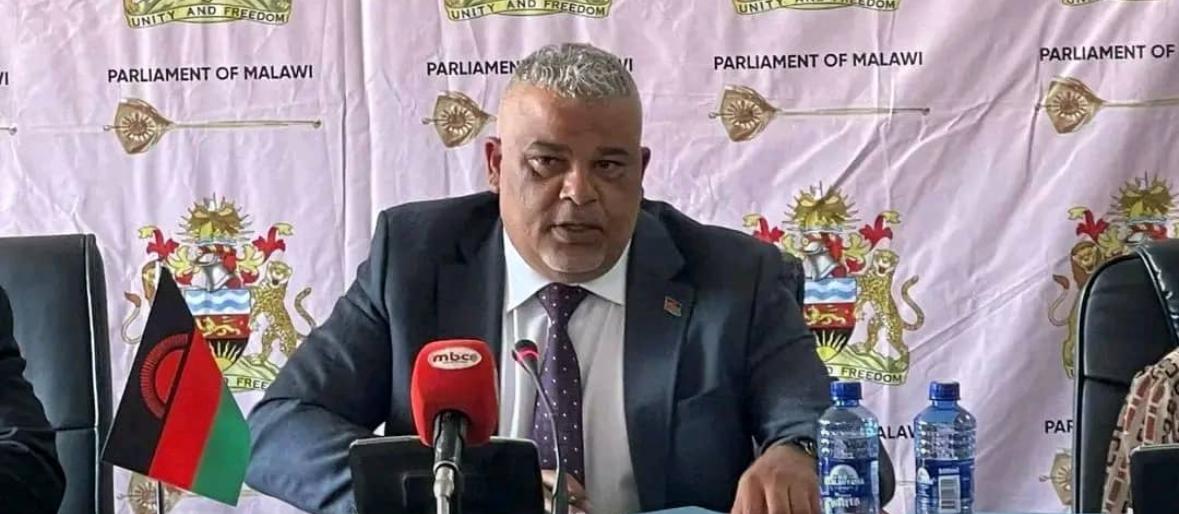
Receiving the petition, Zomba City North MP Bester Awali pledged to deliver it to the Speaker for consideration.
English is Malawi’s official language, while the country has about 16 indigenous languages. Chichewa is the national language, with Lomwe, Yao, and Tumbuka also widely spoken.
Across Southern Africa, South Africa’s Parliament stands as a regional example of multilingualism, with structures that support debates in multiple official languages through simultaneous interpretation.