By Edwin Mauluka
Khato Civils Group, the contractor for the Salima–Lilongwe Water Supply Project, has pledged to employ more Malawians, especially those from communities near project sites, following growing local pressure for job opportunities.
The company’s Director of Finance, Pride Phiri, made the commitment after a site visit organized for the Centre for Democracy and Economic Development Initiatives (CDEDI), which has been scrutinizing the project’s management and labour practices.
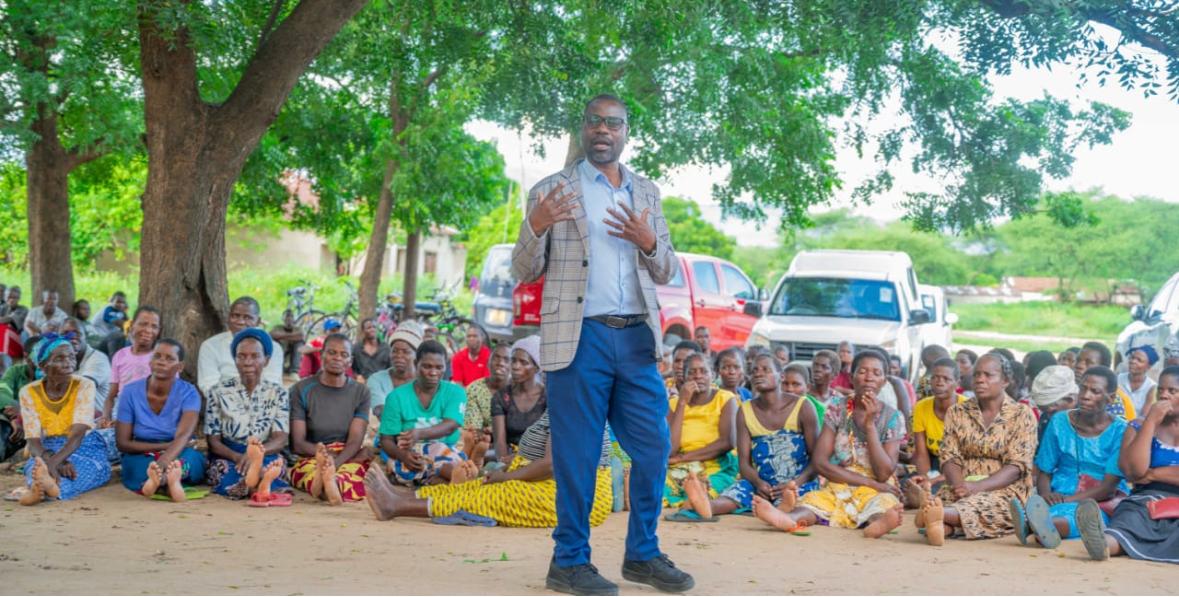
During a stopover at Mvera in Dowa District, community members expressed frustration that few locals had been employed despite the project running through their villages.
“Our children have different skills but remain jobless while people from faraway places are brought in to work here,” lamented Village Headwoman Mbedza. “When will our children be employed?”
In response, Phiri assured the community that more locals would be hired in the next project phase, which involves intensive pipe-laying works.
“Soon we’ll begin the next stage that requires a lot of labour. That stage will see more people employed,” he said. “This project is for Malawians and should be done by Malawians.”
Senior Chief Inkosi Chiwere echoed the community’s concerns, saying employment expectations were high among local residents.
“People expect to benefit when such big projects come to their area, including through job opportunities,” said Chiwere. “We’re glad the company has now promised more local employment once pipe-laying starts.”
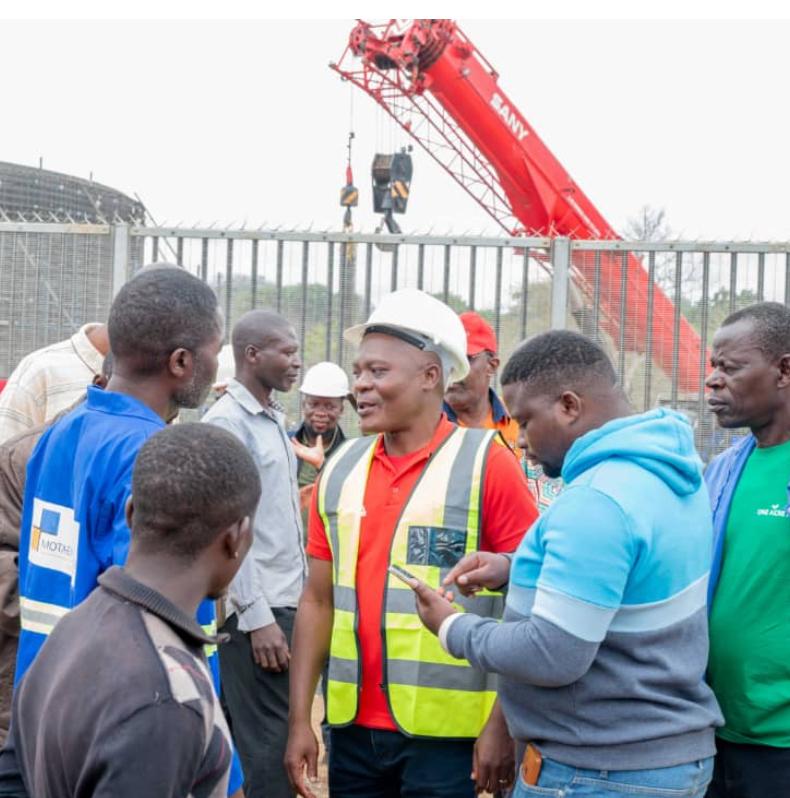
The visit followed a request from CDEDI, which recently urged the Ministry of Finance and Economic Planning to suspend operations at the Salima–Lilongwe Water Supply Project pending a full forensic audit.
CDEDI Executive Director Sylvester Namiwa argued that the audit was necessary to safeguard public funds and restore trust, citing concerns over financial irregularities, labour violations, and the use of expatriates over local workers.
Phiri defended the company’s recruitment policy, explaining that only specialized roles were filled by expatriates.
“We brought in specialists where the skills were not available locally,” he said. “However, many Malawians are employed, including interns and general labourers.”
On the issue of imported materials, Khato Civils Director of Finance and Planning, Lucas Kondowe, said the company only imports cement and bricks for water-retaining structures after local products failed to meet required quality standards.
“We tested local cement, but it didn’t meet the strength needed for structures holding five million litres of water,” said Kondowe. “We use imported materials only where necessary to ensure quality and value for money.”
He added that locally produced bricks meeting specifications were six times more expensive than those imported from South Africa, prompting the company to source affordable alternatives to save taxpayer funds.
After the site tour, CDEDI’s Namiwa said the organization would compile findings from the visit and issue a formal position.
“We now understand where the project stands and will continue monitoring its progress and the company’s promises to the people,” he said. “Where taxpayer money is involved, there must be transparency and accountability.”
The $351 million Salima–Lilongwe Water Supply Project will deliver 100 million litres of water per day through a 120 km pipeline from Lake Malawi to Lilongwe, benefiting communities along the route in Salima and Dowa districts.
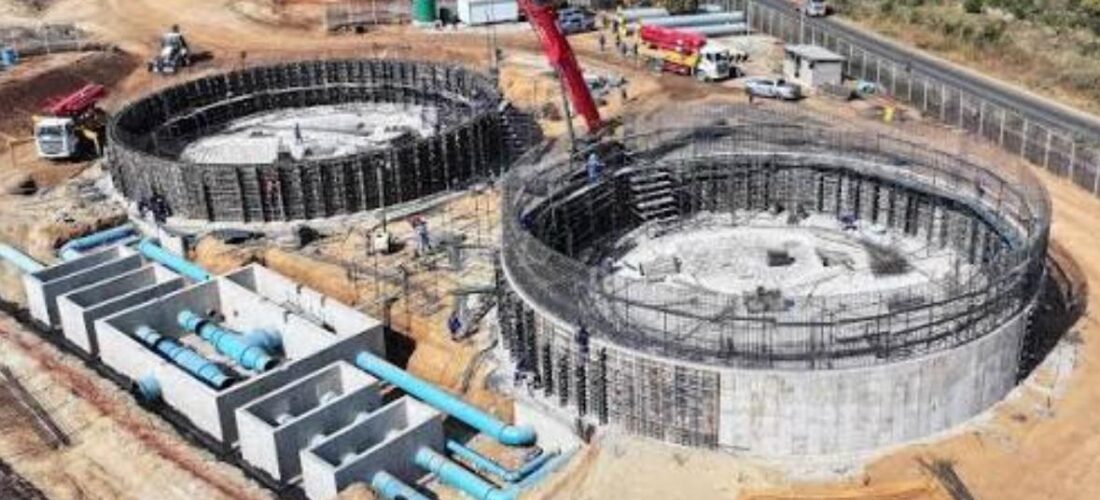
Khato Civils says construction progress currently stands at 35 percent, with reservoirs and pump stations underway.