By Edwin Mauluka
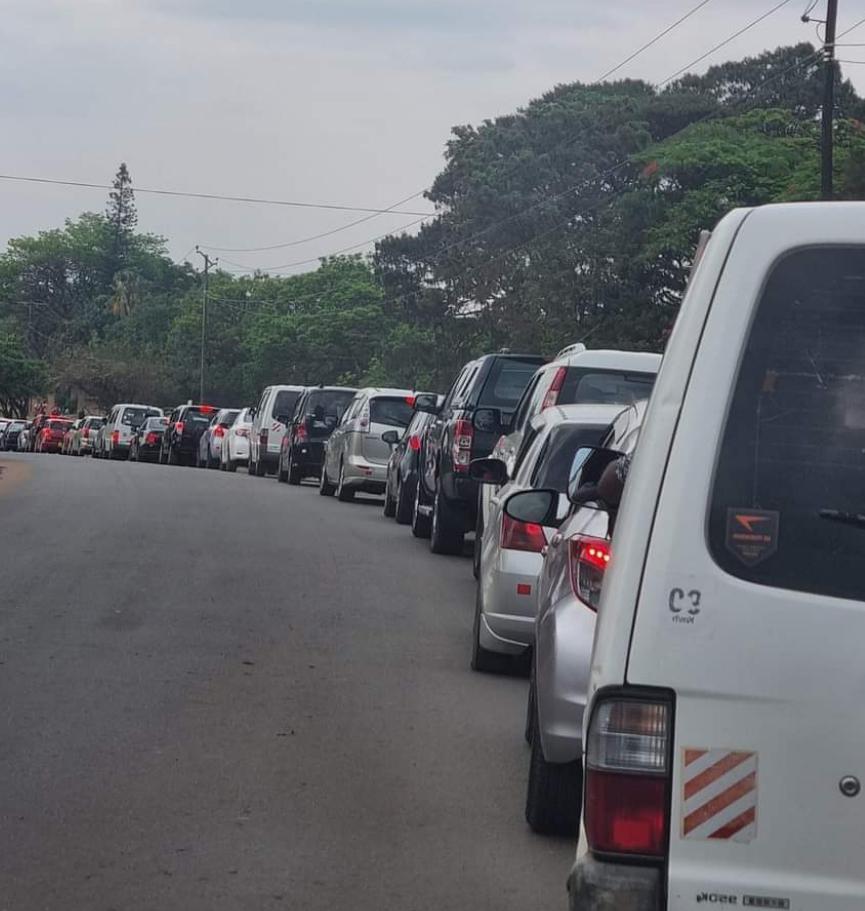
Recent political unrest in Tanzania added to Malawi’s fuel shortages, piling pressure on the landlocked nation that depends heavily on Tanzanian routes for its fuel imports. The disruptions, coupled with limited foreign exchange and logistical bottlenecks, intensified Malawi’s broader energy crisis, already marked by electricity blackouts and dwindling fuel reserves.
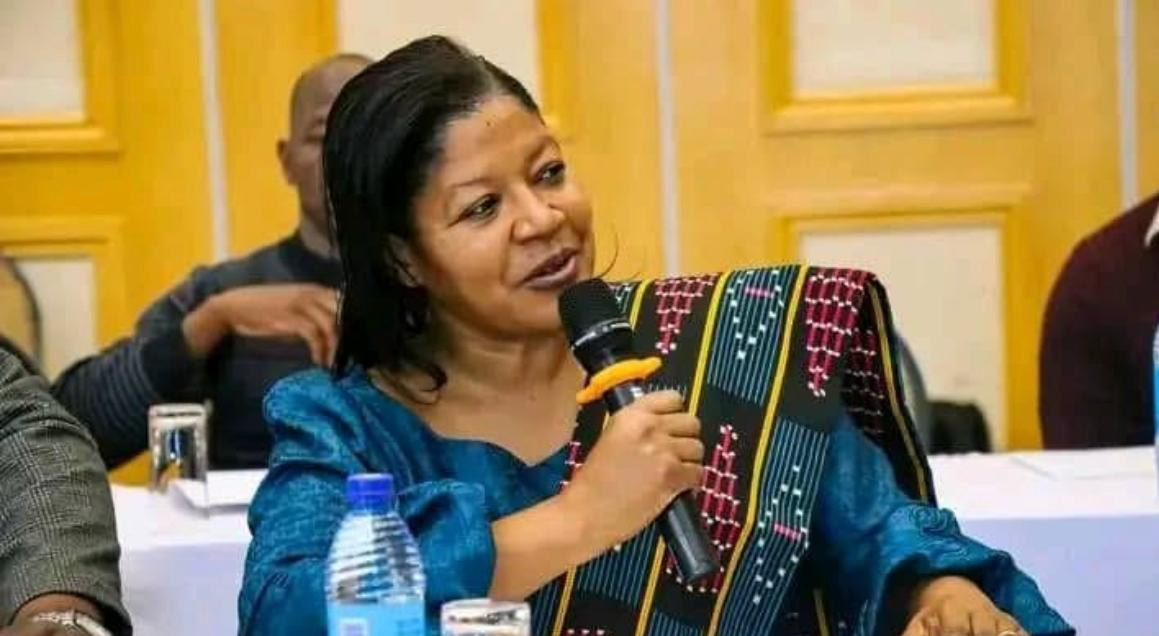
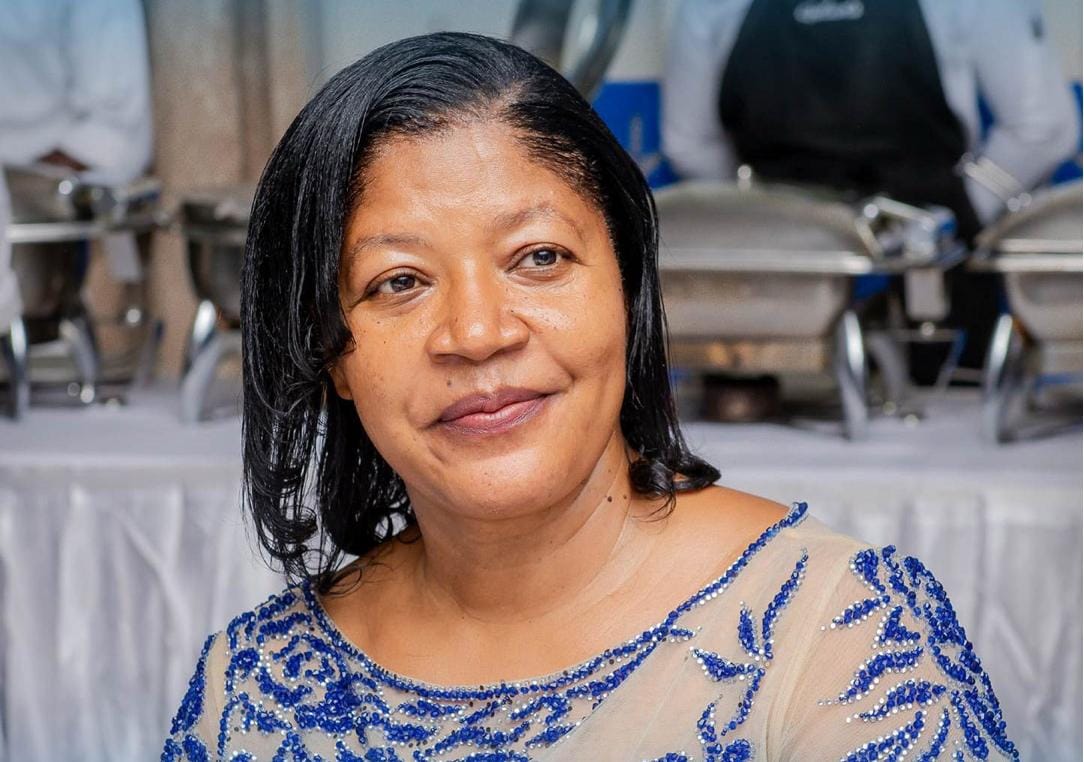
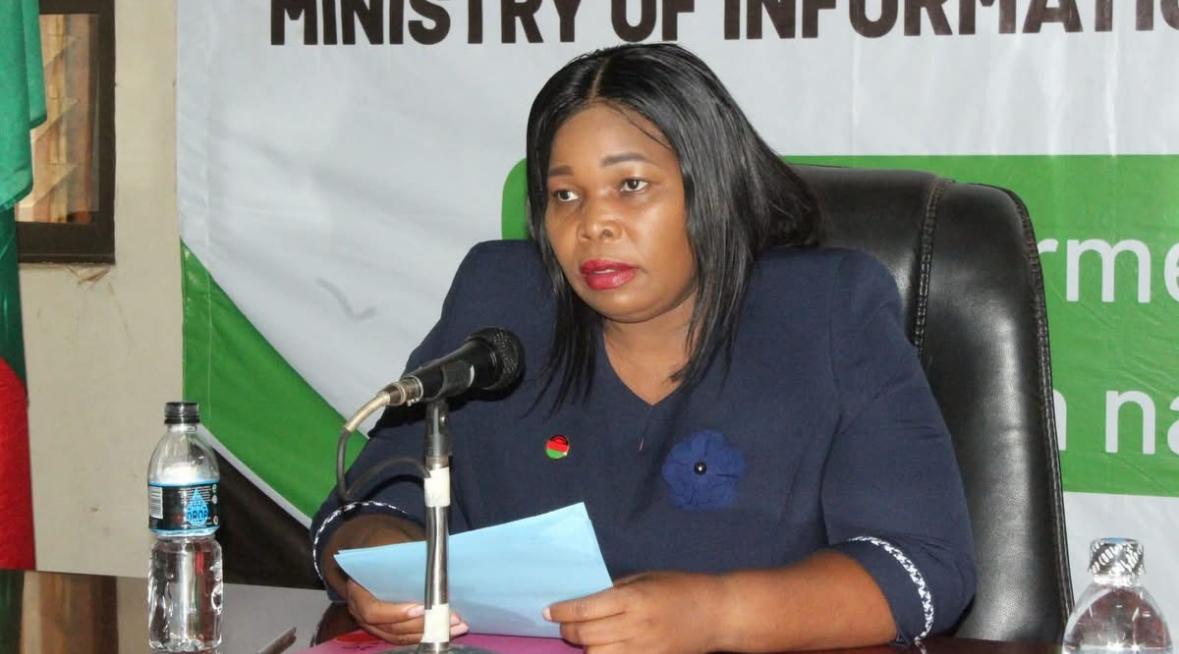
Minister of Natural Resources, Energy and Mining Jean Mathanga told Parliament on Tuesday that the government is laying a long-term foundation to stabilize energy supply, acknowledging that the current power and fuel situation is “worrisome for a nation aspiring to become middle-income.”
“Energy is the lifeline of any economy,” Mathanga said. “While some logistical challenges can be addressed quickly, sustainable improvement will depend on adequate foreign exchange allocation, investment in infrastructure, and maintaining strong relationships with our neighboring countries and key stakeholders in the energy sector.”
Mathanga outlined several short-term steps aimed at easing power supply challenges. These include restoring 31 megawatts (MW) of generation capacity at Tedzani III by December 2025 and completing maintenance works in readiness for the rainy season to minimize load shedding.
She said the Salima Solar Power Plant will add 10 MW to the national grid by December 2025, alongside a 2.5 MWh battery storage system to be commissioned by March 2026. The Mozambique–Malawi Interconnector, expected in early 2026, will bring in 50 MW of imported power, while Raiply, operating under an Independent Power Producer (IPP) arrangement, will commission a 10 MW biomass power plant by November 2025.
To stabilize the grid, a 20 MW Battery Energy Storage System (BESS) will also come online by March 2026.
In the long term, government plans include constructing the 358.5 MW Mpatamanga Hydropower Project starting in 2026, expanding the EGENCO Salima Nanjoka Solar Power Plant to 50 MW with 8 MWh battery storage by 2029, and doubling the Wovwe Hydropower Plant capacity from 4.5 MW to 9 MW.
“We will also facilitate implementation of the 300 MW Kam’mwamba Coal-Fired Power Project under an IPP model to provide stable power for industrial use,” she said, adding that other signed Power Purchase Agreements (PPAs) in solar, hydro, wind, and gas will help diversify the energy mix.
Through the Malawi Emergency Power Restoration Project, the government will rehabilitate damaged transmission and distribution infrastructure to strengthen reliability and resilience.
Turning to fuel supply, Mathanga cited four main causes of the ongoing shortages: limited foreign currency allocations, restricted access to seaports, depleted reserves, and inadequate transport capacity.
“The situation was recently worsened by the unrest in Tanzania following elections and the transition from an open tender system of procurement to a government-to-government tender system,” she said.
Mathanga blamed the previous administration for mismanaging the fuel sector but emphasized that the current Democratic Progressive Party (DPP) government “is not running away from responsibility.”
“Our priority is to ensure imports consistently meet national demand by increasing foreign exchange allocations, engaging neighboring countries for port access, reverting to open tender procurement, and diversifying importers to promote competition and reduce dependency,” she said.
The minister said her ministry, working with the Ministry of Finance, the Reserve Bank of Malawi, and commercial banks, is securing additional forex allocations for fuel imports. Talks are also underway with multilateral institutions for a US$120–150 million credit facility, including financing support through Afrexim Bank to restock strategic reserves.
“Let me assure Malawians that the country will continue to get fuel despite these challenges,” Mathanga said. “Between today and Friday, we expect to receive 92 trucks, translating to 250 million litres of fuel.”
She added that security agencies have been deployed to curb smuggling and that the government plans to acquire land in Mozambique for a dedicated fuel storage facility while expanding rail transport to address logistical bottlenecks.
During debate, Steven Malondela, MP for Lilongwe Nyanja Constituency, proposed that Malawi invest in geothermal energy as a sustainable and eco-friendly solution to the country’s persistent energy challenges.