By Edwin Mauluka
Malawi’s economy is in dire condition and will require a united national effort to recover, opposition UTM party has said.
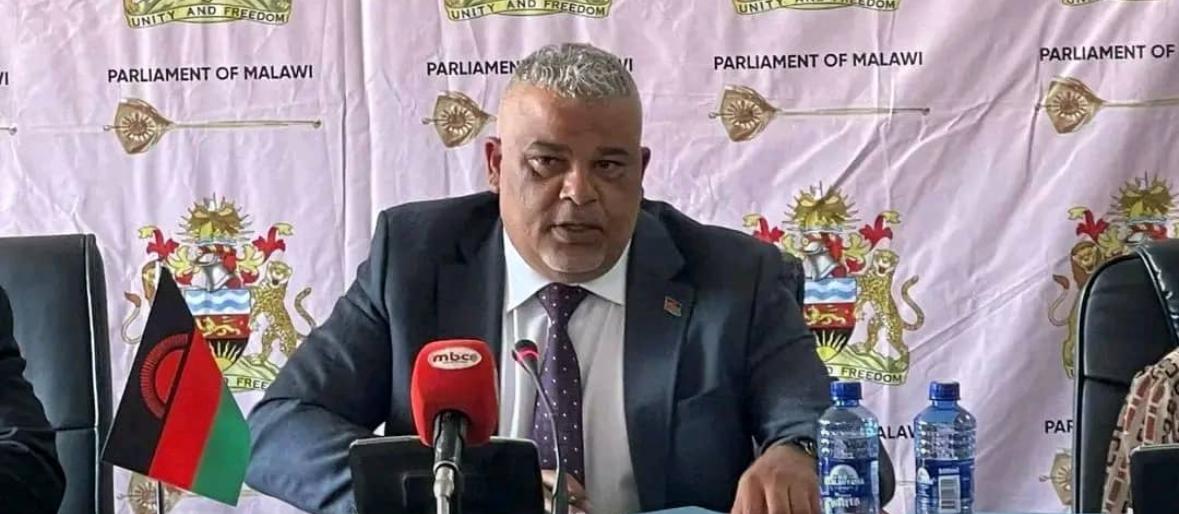
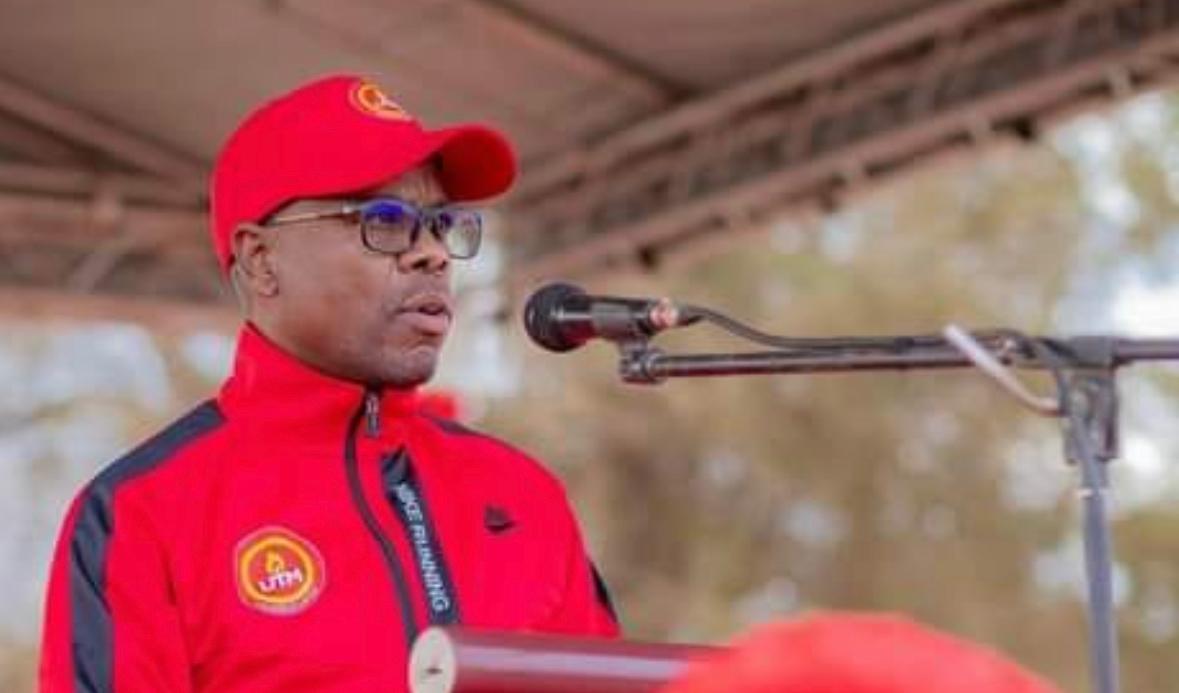
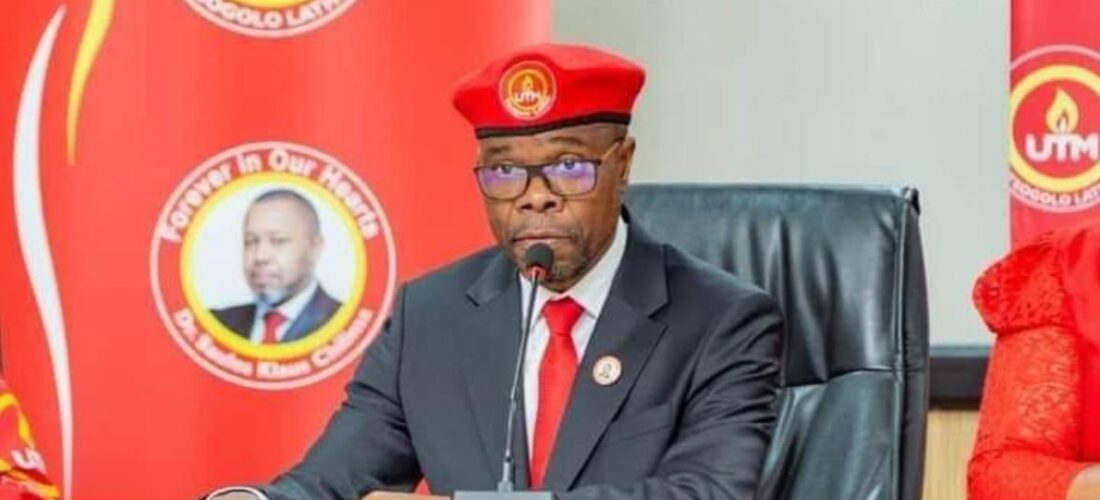
UTM spokesperson and Member of Parliament for Mwanza Central, Felix Njawala, was responding to the economic outlook presented by President Peter Mutharika on Friday when he opened the 52nd Session of Parliament and Mid-Term Budget Review for 2025/2026.
“The outlook on food availability in the country isn’t good. People are suffering,” said Njawala. “It requires joint and concerted efforts to come out of this mess the country is in.”
President Mutharika, who recently won re-election, expressed concern over Malawi’s economic state, saying major macroeconomic indicators remain severely misaligned.
“Inflation is high at 28.2 percent, up from 8.6 percent in 2020,” he said. “Persistent forex shortages have led to intermittent fuel supply and critical shortages of fertilizer and medical drugs. The forex scarcity has also driven up prices of nearly all essential items—including food, soap, salt, and sugar—placing immense pressure on households.”
Turning to the budget, Mutharika said both revenue and expenditure have performed poorly due to undercollection of revenue, while overall GDP growth remains sluggish and projected at 2.8 percent in 2025, up slightly from 1.7 percent in 2024. He attributed the slow growth to low agricultural productivity, supply chain constraints, and limited industrial capacity.
The president also revealed that the national deficit has ballooned from MK558.9 billion in 2020 to MK2.4 trillion, while public debt has surged from MK4.1 trillion in 2020 to MK21.6 trillion as of April 2025.
“My administration has already begun engaging financiers on debt treatment and raising more financing through grants, among other measures,” said Mutharika.
On the ongoing fuel crisis, Mutharika said the government will revert to the Open Tender Fuel Procurement System to ensure faster deliveries, transparency, and value for money. He also pledged to diversify fuel importers to reduce dependence on a few suppliers.
“Malawians voted for us to end this crisis. And we will end it,” he declared. “My administration will ensure that fuel imports consistently meet national demand and that foreign exchange allocations match import requirements.”
Addressing persistent power outages, Mutharika said his government will increase power generation from multiple sources, including hydro, solar, interconnectivity, and biomass. He cited the 358.5 Megawatt Mpatamanga Hydropower Project and the 50 Megawatt EGENCO Salima Nanjoka Solar Power Plant, both scheduled for 2026, as key priorities.
Mutharika also announced plans to establish a Sovereign Fund to ensure proceeds from the mining sector benefit Malawians. He said mining remains central to Malawi’s economic transformation, highlighting projects such as Kayelekera Uranium, Kanyika Niobium, Songwe, Kangankunde rare earths, and Kasiya Rutile and Graphite as drivers of future growth.
The president reaffirmed his belief that the private sector must play a leading role in economic recovery. “My government will promote the private sector as the engine of growth and a key source of fiscal revenue, foreign exchange, and employment,” he said.
Njawala said UTM acknowledges the president’s efforts and will play its role constructively in Parliament.
“There is goodwill for the president and his administration,” he said. “It is our responsibility, as members of Parliament, to assess the budget and ensure it aligns with the president’s vision. If adjustments are needed, we will make them to support the roadmap he has presented.”