
By Edwin Mauluka
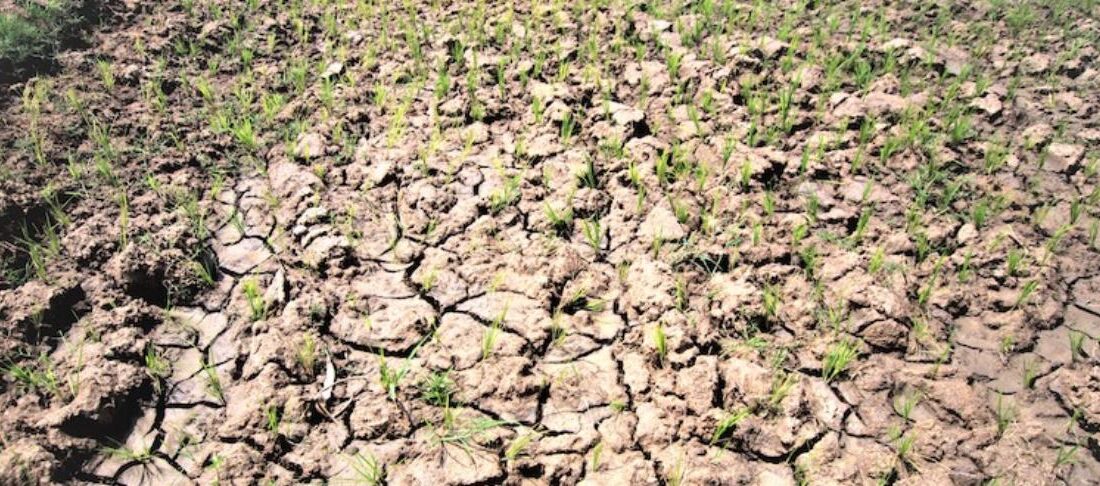
President Peter Mutharika has declared a State of Disaster in 11 districts severely affected by food shortages, following reports of worsening hunger caused by prolonged dry spells, soaring commodity prices and other economic pressures.
According to a statement signed by Chief Secretary Justin Saidi, the declaration follows findings from the latest national food security assessment.
“His Excellency has exercised the powers vested in him under Section 37(1) of the Disaster Risk Management Act (2023) and declared a state of disaster in the affected areas,” reads part of the statement.
The affected districts are Blantyre, Chikwawa, Lilongwe, Mulanje, Mwanza, Neno, Nkhotakota, Nsanje, Phalombe, Salima, and Thyolo.
The Malawi Vulnerability Assessment Committee (MVAC) recently reported that 4 million Malawians — about 22 percent of the population — will be unable to meet their annual food needs during the lean period from October to March. The country will require approximately 200,000 metric tonnes of maize, valued at MK387.2 billion (US$77 million), to bridge the deficit.
The report further noted that most affected individuals are in rural areas, while around 64,000 are urban residents across Malawi’s four major cities. An additional 6 million people (33 percent of the population) require disaster risk reduction and resilience support.
Government spokespersons said relief operations are underway in the declared districts, with President Mutharika appealing for both domestic and international assistance to help affected families. In the long term, he emphasized the need to intensify irrigation efforts to reduce dependence on rain-fed agriculture.
On Friday, Finance Minister Joseph Mwanamvekha announced that Malawi had secured US$45 million from the World Bank to finance the purchase of 200,000 metric tonnes of maize from Zambia under a government-to-government deal.
This follows a US$77 million maize supply agreement signed earlier this week between Lilongwe and Lusaka.
Mwanamvekha said the World Bank funds would be released immediately and that the maize procurement would follow both World Bank and government procedures.
In addition, the International Fund for Agricultural Development (IFAD) has pledged US$3 million, while the Government of China has committed a similar amount to support the purchase of rice and other essential food commodities.


