
EDITORIAL | The Forum
Did Malawi voters dodge a bullet last month? Looking north toward Tanzania, where elections are set for October 29, the difference between the two neighbours is striking.
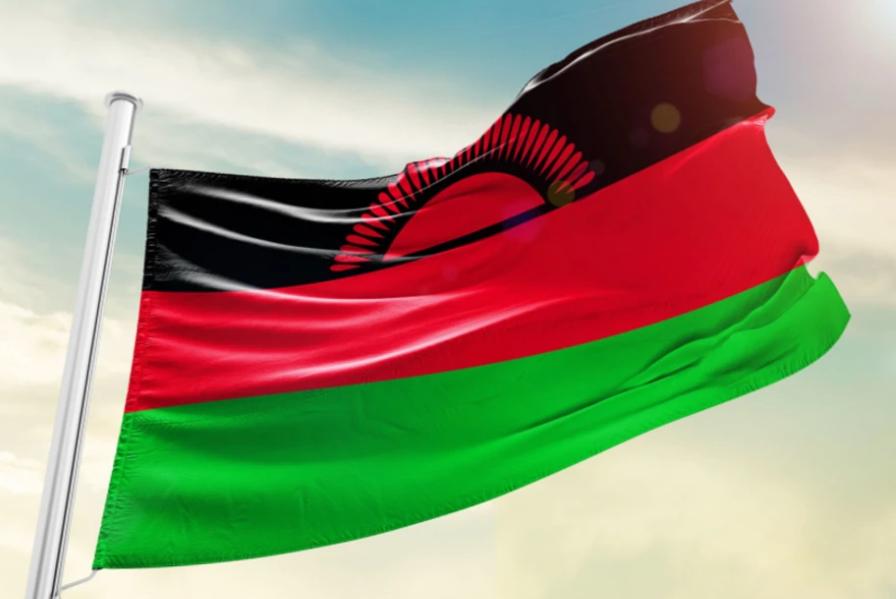
While Malawi’s elections were not flawless, they reaffirmed the country’s uneasy but enduring commitment to political choice. Tanzania, by contrast, is heading into another one-party exercise in control, a reminder of how democracy can survive in one place and suffocate in another.
Since the introduction of multiparty politics in 1994, Malawi has maintained a lively civil society and shown resistance to authoritarian drift. When former president Bakili Muluzi once tried to seek a third term, Malawians pushed back. That instinct — to resist power overreach — remains one of Malawi’s quiet democratic strengths.
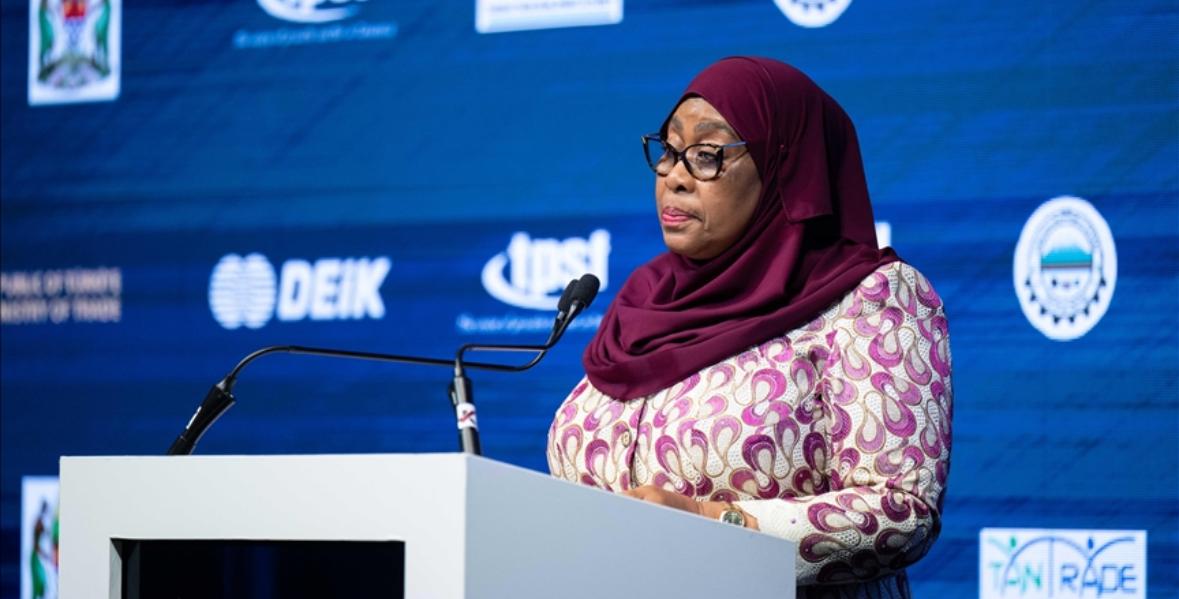
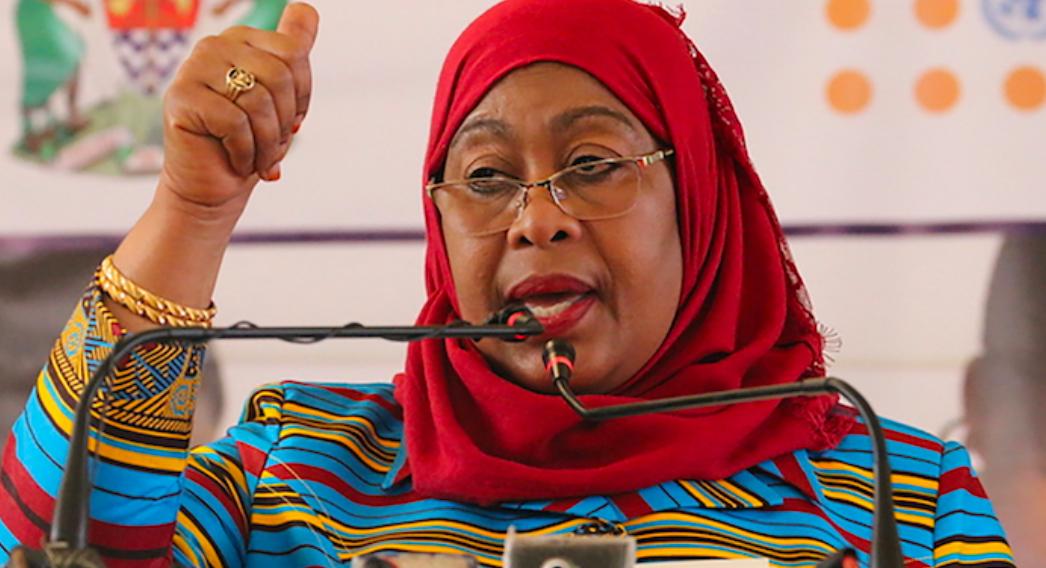
Tanzania’s story is different. Since independence, it has known only one ruler in effect: Chama Cha Mapinduzi (CCM). The “party of the revolution” has won every general election since 1995, and this year President Samia Suluhu Hassan faces virtually no competition. Seventeen candidates have been approved by the electoral commission, but none poses a serious challenge.
The main opposition, Chadema, was disqualified for rejecting a government-imposed “code of conduct,” and its leader Tundu Lissu remains in jail on treason charges after calling for reforms. The second-largest opposition candidate, Luhaga Mpina, was also blocked from running over alleged nomination irregularities. Courts quickly dismissed his appeal.
Analysts warn that these developments point to a worsening political climate. Human rights groups note growing harassment, media restrictions, and arrests of opposition figures, a development which suggests Tanzania’s democratic space continues to shrink under Suluhu’s rule.
Meanwhile, Malawi offers a contrasting story. Despite the Malawi Congress Party (MCP) wielding incumbency advantages — control over key institutions and a sympathetic electoral commission — voters chose change. The September 16 elections proved that Malawians, weary of poor leadership, still believe in accountability through the ballot box.
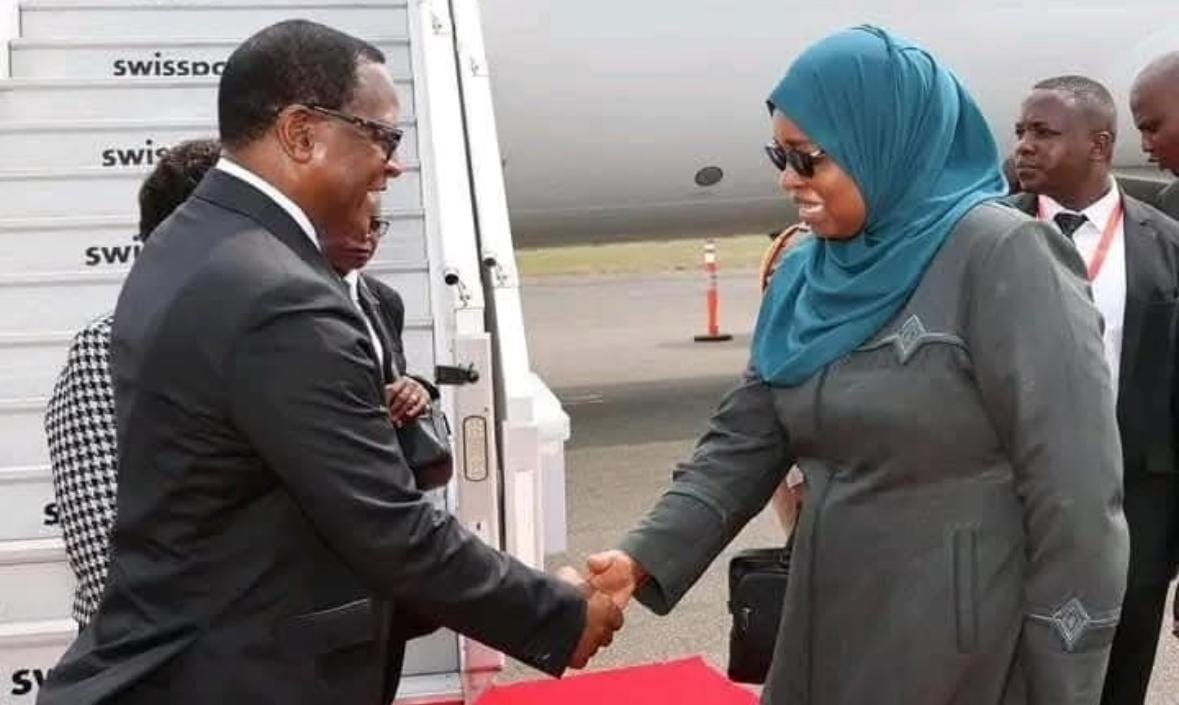
President Peter Mutharika, freshly re-elected, now chairs the SADC Organ on Politics, Defence and Security Cooperation and has appointed former National Assembly Speaker Richard Msowoya to lead the SADC Electoral Observer Mission (SEOM) to Tanzania. Ironically, Malawi now observes an election abroad whose flaws echo the challenges it once faced at home.
Malawi’s democratic experiment is messy, noisy, and far from perfect, but it remains alive and self-correcting. Tanzania’s, though slightly older, risks solidifying into ritual without real choice. For the region, Malawi offers a quiet lesson: democracy survives not through perfect systems, but through citizens who refuse to surrender their voice.