By Edwin Mauluka
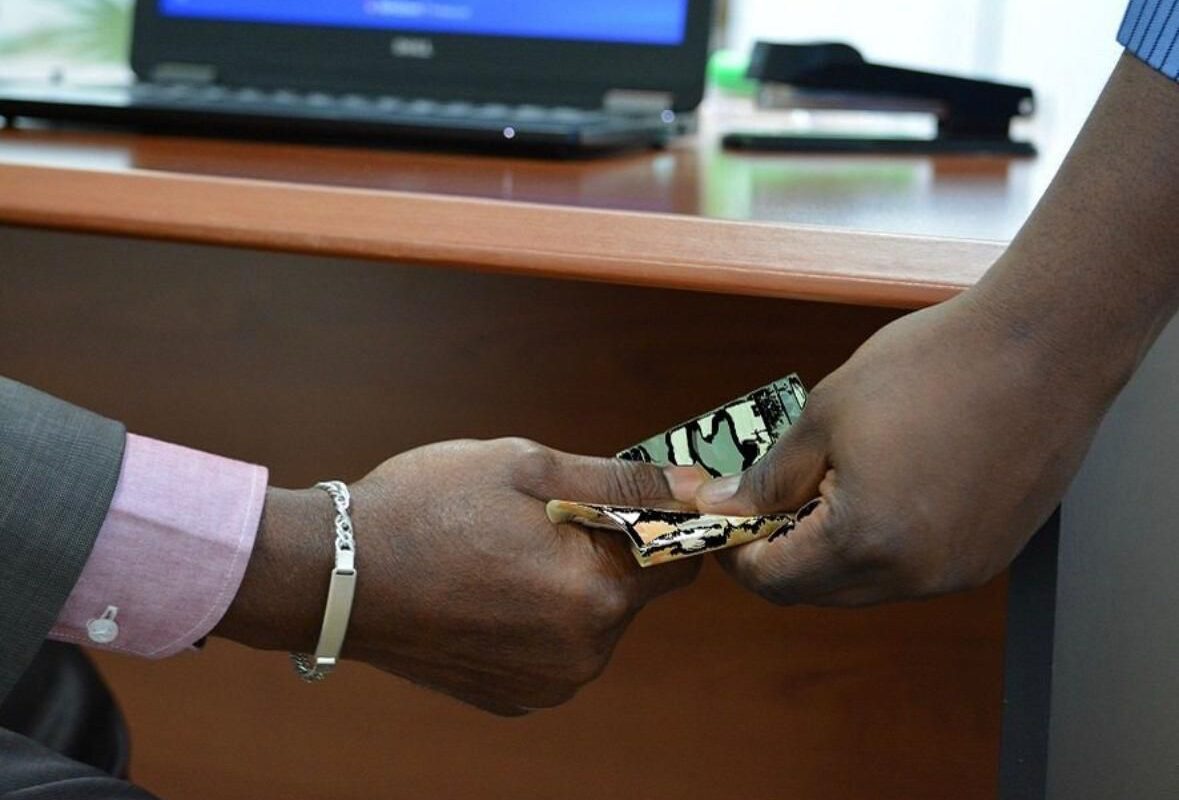
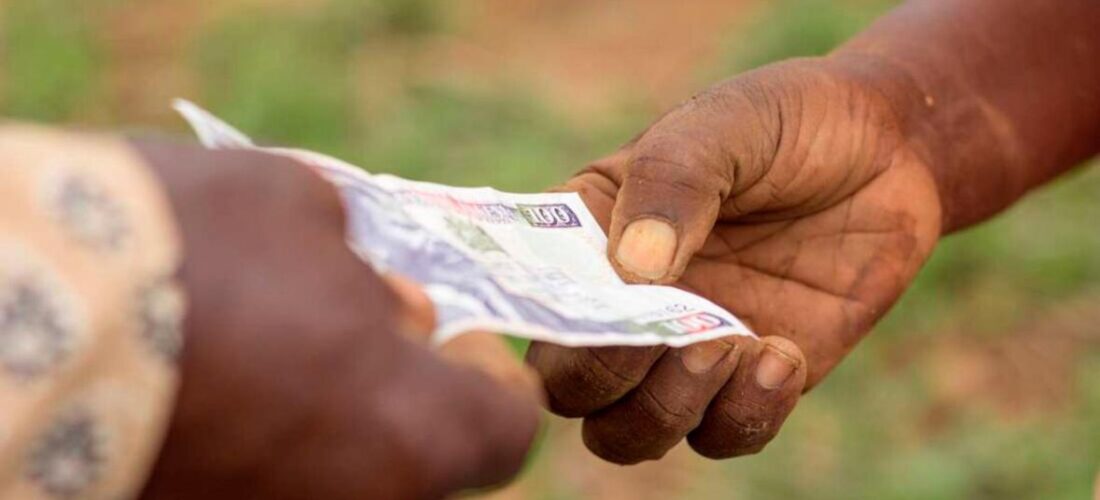
Despite a legal framework criminalising voter handouts, cyberbullying, and political violence, the so-called “unholy trinity” of these same forces once again worked against women during Malawi’s September 16, 2025 general elections.
Speaking on the sidelines of the Cross-Party Women’s Forum conference held this week in Lilongwe, United Democratic Front (UDF) Director of Women and newly elected Mangochi Mkungulu legislator Aisha Mambo Adams said weak enforcement of existing laws continues to undermine women’s political participation.
“Campaign handouts remain a major problem,” she said. “We were promised enforcement of the law on handouts, but there was none. Most female candidates were afraid to distribute gifts, unlike male candidates — and voters saw us as stingy simply because we followed the rules.”
Adams said financial limitations continue to disadvantage women candidates, while online abuse and political violence further discourage participation.
“It’s difficult to defend yourself once social media has painted a false image,” she said. “I personally experienced these challenges during my campaign.”
She added that women are “key drivers of community development” and must have a seat at the table where decisions affecting women, children, and the marginalised are made.
The conference, she said, offered women from different political parties an opportunity to reflect on their election experiences and chart strategies for the future.
“It’s difficult to defend yourself once social media has painted a false image.”
Esther Ng’ong’ola Chabwera, Deputy Director of Administration in the Ministry of Gender, Women Development and Social Welfare, echoed similar concerns, noting that political violence often pushes women out of races.
“Violence forces women to withdraw,” she said, calling for stronger financial and awareness support from both government and development partners. “Our strategy is to ensure that at least 35% of decision-making positions are held by women. Too often, women’s priorities are overlooked because they lack representation.”
Maggie Kathewera Banda, Chairperson of the NGO Gender Coordination Network (NGO-GCN), which organised the conference, said meaningful gender representation requires deliberate mechanisms similar to those seen in other countries.
“Other nations have legal quotas and policies that guarantee women’s participation. Malawi must examine its own context and find the most viable approach,” she said.
Kathewera Banda added that the Cross-Party Women’s Forum will continue advocating for practical solutions both within political parties and at government level to ensure stronger female representation by the 2030 elections.
Established in August 2025 following recommendations from a national women’s conference, the Cross-Party Women’s Forum provides a platform for women across political divides to discuss barriers they face and to engage party leaders and policymakers.
Despite ongoing advocacy, women’s representation in Parliament declined slightly in 2025, with 48 women winning seats out of 229, or about 21%, compared to 22.8% in 2019 when 45 women were elected out of 197 seats.