
By Edwin Mauluka
The International Telecommunication Union (ITU) has called on Malawi to make full use of data from the upcoming broadband mapping systems project to inform evidence-based connectivity policies and expand digital inclusion across the country.
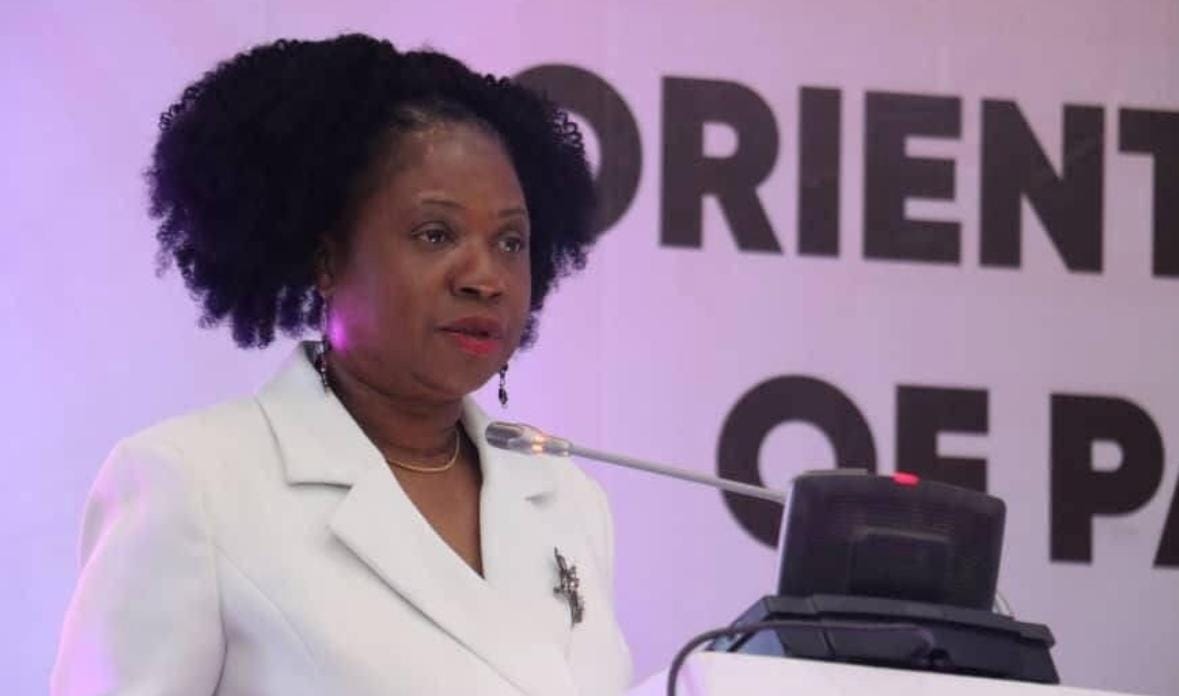
Halima Letamo, ITU Area Representative for Southern Africa, made the appeal on Tuesday during the opening of the National Broadband Mapping Systems Conference in Lilongwe.
The conference forms part of the Africa Broadband Mapping (AfricaBBMaps) project, an initiative of the ITU Telecommunication Development Bureau (BDT) funded by the European Union (EU). The project seeks to establish harmonized broadband mapping systems across Africa to guide data-driven digital infrastructure investment and policy development.
Letamo said the mapping initiative will help Malawi identify connectivity gaps, allocate resources efficiently, and accelerate efforts to bridge the digital divide.
“Ownership of this project is key; ownership of the data that comes out of it is even more critical,” Letamo said. “Malawi should be well positioned to manage and use this data meaningfully so that it doesn’t just gather dust.”
She noted that achieving Universal Meaningful Connectivity (UMC) remains a global challenge despite significant progress in broadband expansion.
“About 2.7 billion people worldwide are still unconnected,” Letamo said. “Through collaborative efforts, we can identify Malawi’s specific gaps and determine how best to address them.”
Letamo also highlighted the importance of creating a policy and regulatory environment that supports digital infrastructure investment, including defining technical standards for broadband mapping tools and systems. She urged delegates to use the conference as a platform to share ideas on aligning the project with national priorities, whether through updating existing systems or developing new ones.
The four-year AfricaBBMaps project (2025–2028) will strengthen broadband mapping systems in 11 Sub-Saharan African countries—Malawi, Benin, Botswana, Burundi, Côte d’Ivoire, Ethiopia, Kenya, Nigeria, Uganda, Zambia, and Zimbabwe.
In Malawi, the Malawi Communications Regulatory Authority (MACRA) will oversee the implementation of the broadband mapping system. The tool will help map broadband infrastructure and service coverage, enabling data-driven decision-making for investments and policy interventions.
According to the ITU’s Facts and Figures 2024 report, only 38 percent of Africa’s population currently uses the internet.
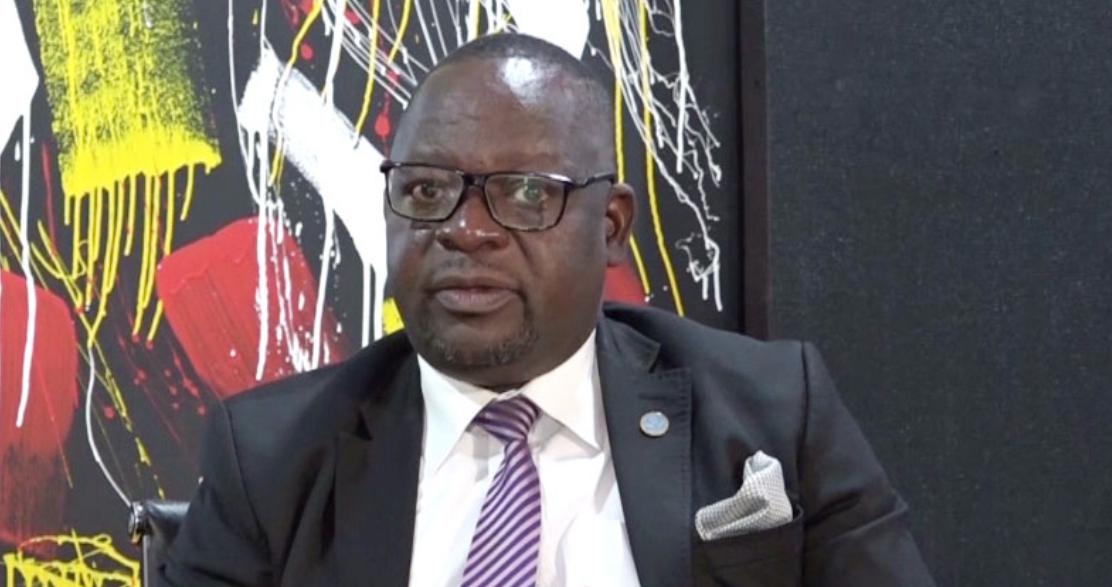
MACRA Director of Telecommunications, Edward Kauka, commended the initiative, saying it will improve access to high-speed internet and enhance service delivery, particularly in remote areas.
Kauka said the project is expected to roll out next year after a benchmarking and analysis phase, which will identify areas with limited or no internet access. The findings will guide targeted infrastructure development and support equitable digital access across the country.
He added that the project will promote access to education, healthcare, and other essential digital services, while working toward making internet access more affordable and inclusive for all Malawians.