By Patrick Mwanza
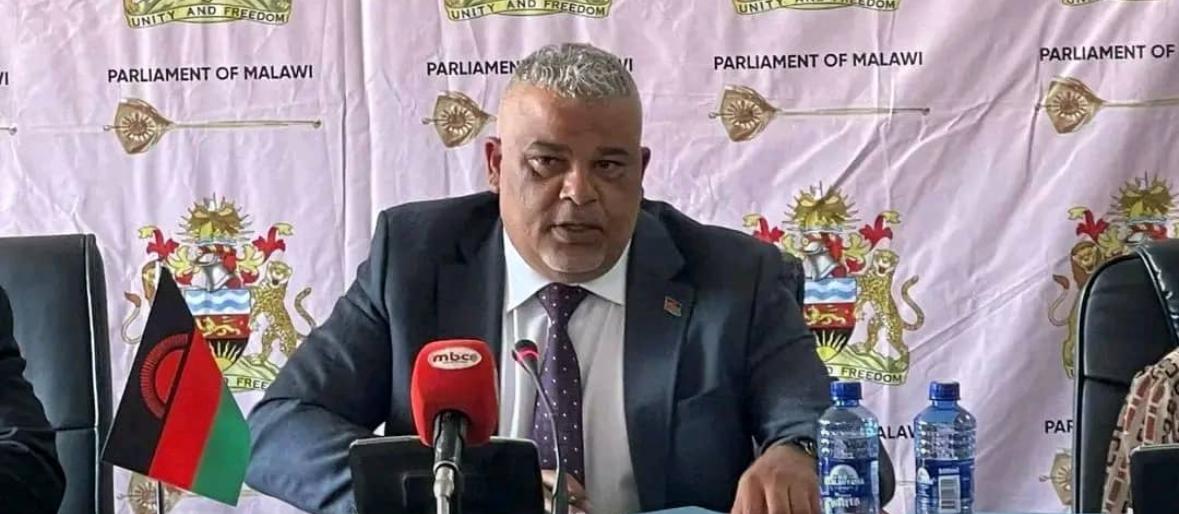
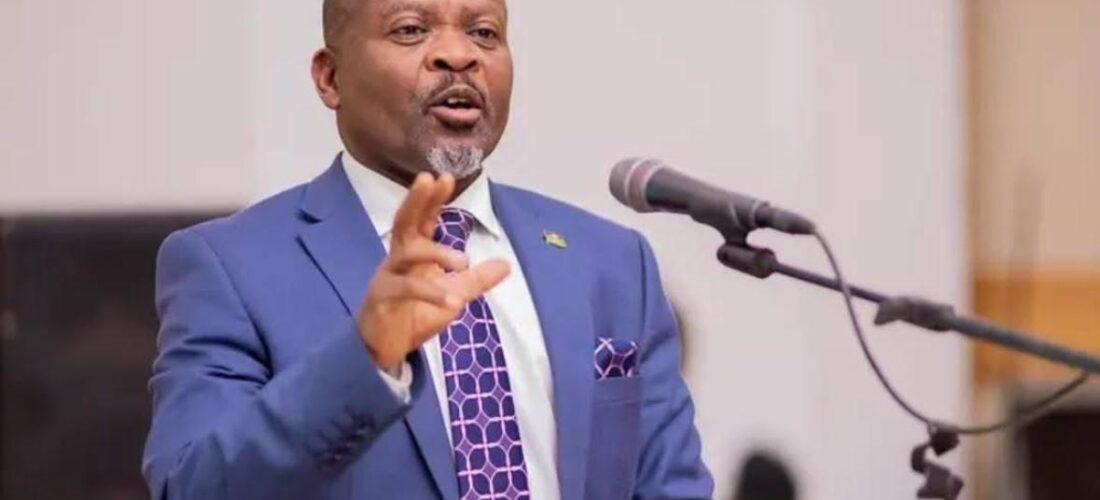
Michael Usi’s chapter as Malawi’s vice president closes tomorrow, October 4. Before he fades into the long afterlife of “former” status, he leaves a warning for the incoming administration of President-elect Peter Mutharika and his number two Jane Ansah: beware the moles.
“There’s a tendency for those ousted to start working against the elected government,” Usi told Zodiak TV in an interview aired this week. “They target individuals inside the government they know sympathize with them to sabotage the government.”
Do people really go that far? “Yes. And it works,” he said flatly.
Usi insists he isn’t bitter after his Odya Zake Alibe Mulandu (OZAM) party managed only a small slice of the September 16 vote. He declined to perform a postmortem in public, saying only: “I know what happened. As leaders, when we complain after losing, are we feeling sorry for ourselves? Or for the people — who may have lost a better life by voting for someone else?”
Unlike many others, OZAM lodged no complaint with the Malawi Electoral Commission. And though his campaign rhetoric hammered corruption, Usi maintains it wasn’t personal. “My mission was not to embarrass the government,” he said. “I was saying: Don’t elect this government. If you do, we are going to die.”
His defense of his time in office comes laced with anecdotes. “When people are in the house eating and vomiting after eating,” he explained, “and someone comes out and says the food is bad, don’t eat it — are you going to blame the one who warned others?”
To skeptics, Usi is blunt: “If I was okay with what was happening in government, I wouldn’t have told the world there were thieves inside.”
He did, however, defend outgoing President Lazarus Chakwera, saying the president couldn’t possibly know everything “since government structure is as complex as a web.” On why decisive action often seemed missing, he spoke of Eli, the high priest of Israel, who looked the other way as his sons, also priests, corrupted the sanctuary.
“There were many in the [Malawi] government who behaved like the children of Eli who couldn’t be punished,” Usi said.
But Eli’s indulgence carried a cost. God’s judgment was swift and final. Eli’s priestly line was extinguished, his family struck down and Israel itself left in turmoil. The lesson was clear then, and as implied by Usi, it remains clear now.
The Chakwera government paid its price at the ballot box, toppled by the weight of unpunished excess. But in his last days as vice president, Usi’s words carried a warning for Mutharika who is about to retake power: allow the saboteurs, the “children of Eli,” to go unchecked and the same fate awaits.
Still, Usi pivots at the end. “I am not here to discuss Chakwera’s weaknesses,” he said. “I am here to say Peter Mutharika is the new president. We should give him support.”
Support he will need. Mutharika, sworn in on October 4 for his second turn as president after a first stint from 2014–2019, inherits a moribund economy. But Malawians decided he was the best option among 17 presidential candidates, handing him 57 percent of the vote to Chakwera’s 33.