By Edwin Mauluka
The death of eight people at an illegal mining site in central Malawi has reignited calls for urgent reforms in the country’s mining sector.
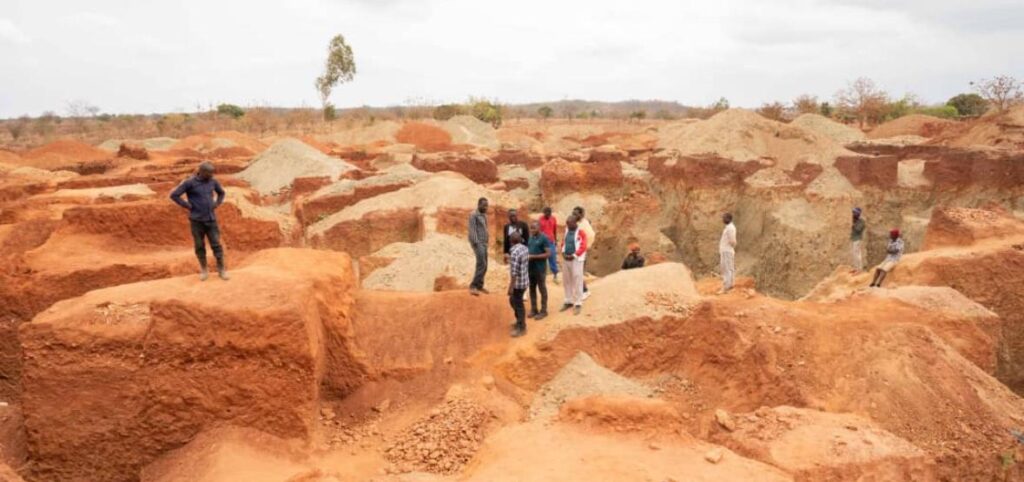
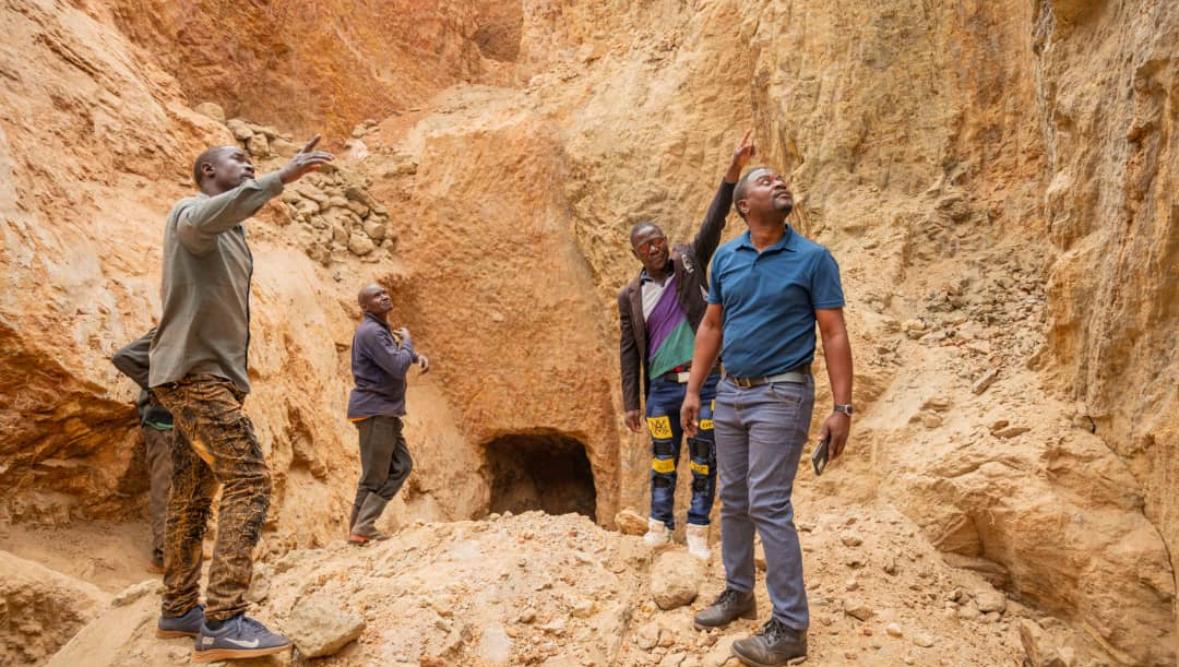
The tragedy occurred on Tuesday in Kasalika Village, T/A Kaomba in Kasungu when the upper wall of the pit collapsed, killing eight and injuring five others.
This is not the first time illegal mining has claimed lives in Malawi. Natural Resources Justice Network (NRJN) National Coordinator Kennedy Rashid, who visited the accident site, warned that the country is fostering a dangerous precedent that could lead to more disasters.
Rashid urged the government to revise mining laws that currently restrict local councils from fully participating in the sector. At present, councils only work with artisanal miners.
He stressed that the first step should be to formalize small-scale mining by organizing miners into cooperatives and providing them with training in safe and responsible mining practices.
“Illegal miners lack the technical know-how. The Ministry of Mining and Department of Mines should equip them with skills for small-scale mining, especially in open-cast and underground methods,” Rashid said.
He added that formalization would strengthen regulation, reduce corruption and illicit financial flows, and help maximize revenue from the mining sector.
On decentralization, Rashid said empowering local councils to establish mining desk officers would help monitor illegal mining, offer extension services, and respond faster to local challenges.
“It’s unrealistic to expect the regulatory authority in Lilongwe to effectively oversee mining activities from Nsanje to Chitipa. It requires local capacity,” he noted.
Rashid further observed that illegal mining is thriving because it offers higher earnings than seasonal agriculture, underscoring the need to formalize and decentralize the sector quickly to prevent more deaths.