
By Don Napuwa
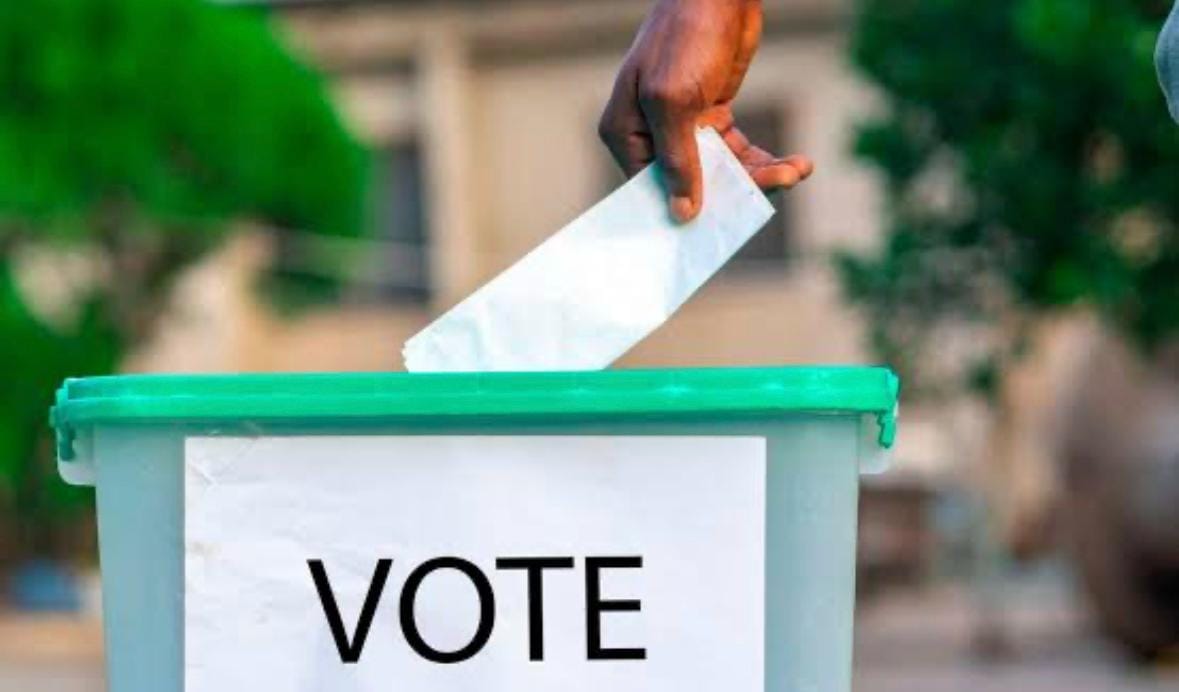
As Malawians head to the polls on September 16, questions of fairness and credibility loom large. With the economy in freefall and the Malawi Congress Party facing mounting criticism, Peter Mutharika’s dramatic political comeback has energized the opposition. Yet, writes Don Napuwa, concerns over irregularities, a biased electoral commission, and a skewed playing field leave voters wondering: will Malawians truly get a fair verdict this time?
In more open societies, the outcome of the September 16 elections should have been a foregone conclusion. But not in Malawi, where fraud, unlevel playing field and blind loyalty are part of the political game.
This forthcoming election should have been determined by the poor economic situation prevailing in the country the last five years marked by currency devaluations of up 100 percent leading to foreign currency shortages of essential commodities like sugar and cement and high unaffordable commodity prices.
In short, the economic policies of the incumbent Malawi Congress Party (MCP) regime under President Lazarus Chakwera have failed this country dismally.
Malawi is an agriculture economy which depends on tobacco, tea, sugar and coffee, in that order, for its foreign exchange. And most of these crops except tea and sugar to a large extent depend on small holder farmers. Unfortunately, the cost of fertilizer and other inputs are out of reach for the average Malawian.
A bag of fertilizer has gone up eight times what it used to cost in 2020 when the MCP under the Tonse Alliance, a coalition of nine political parties, took over the government. Similarly, the price of hybrid maize seed has shot through the roof.
The high price of fertilizer and seed has as a result affected maize production, which is the staple food crop for most Malawians. As a result, maize has become unaffordable for most families and yet the recommended wage for domestic workers and casual laborers can barely manage to sustain them. The result is poverty.
The genesis of the maize production problem has been the mismanagement of the Affordable Input Program (AIP), through which successive governments have subsidized the cost of production of food crops since 2004 with considerable success.
The country has also experienced shortages of foreign reserves which has created a parallel black market leading to high prices of essential commodities and shortages of petrol, diesel and medicines.
And yet during the 2020 election campaign, the MCP and its electoral alliance partners promised Malawians food security, cheap farm inputs, an end to corruption, reduction of presidential powers, affordable passport fees and one million jobs the first year.
Unfortunately, all these were empty promises. There has been no reduction of presidential powers. No cheap farm inputs. Corruption is rampant and getting a new passport is a nightmare. But President Chakwera and his government have not been short of excuses for their inaptitude and poor economic performance.
First, they blamed Covid-19 and the resultant economic shutdown. Next, it was Cyclone Jude and Cyclone Freddy that were responsible for their poor economic showing. Finally, the Russia-Ukraine war took the blame for the worsening economic problems.
What, however, is clear for everyone to see for all these failures, is a lack of tangible economic recovery plan. And yet, the MCP has the audacity to believe that the party can’t lose the forthcoming elections. One can only wonder where they are getting this courage from.
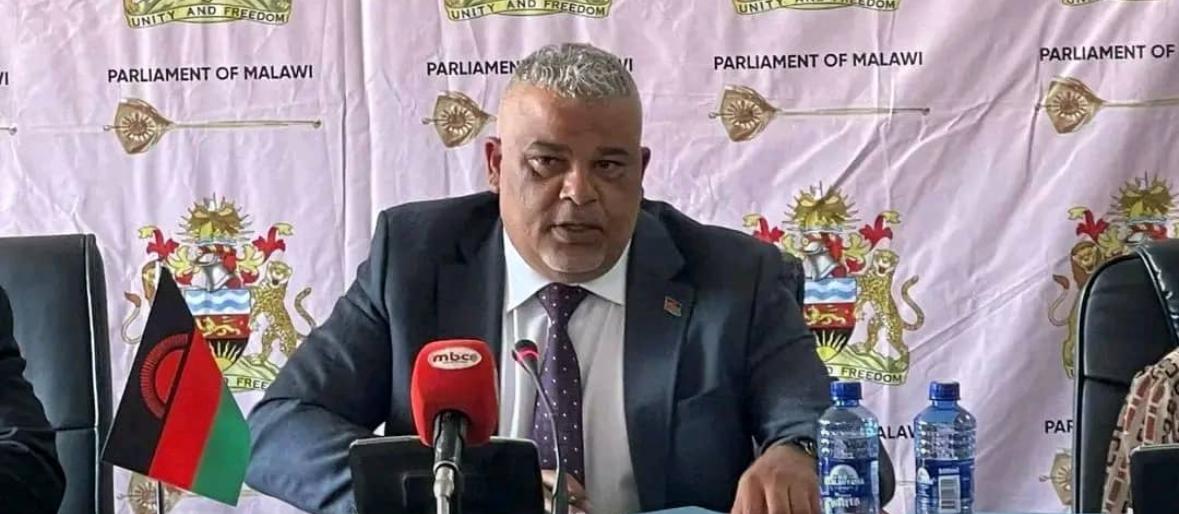
One thing if for sure, the road to September 16 hasn’t been an easy one for the opposition parties. It wouldn’t be an exaggeration to say the Malawi Electoral Commission (MEC), the body entrusted to oversee the electoral process doesn’t, seem to be an impartial referee.
MEC has shot down every demand from the opposition parties to audit the electoral rolls. MEC has failed to discipline the Malawi Broadcasting Corporation, the national broadcaster, to open up to opposition parties during the campaign period as required by law.
MEC turned down three nominations for the commission for the main opposition party, the Democratic Progressive Party (DPP) on flimsy grounds.
In fact, the road to September 16 has been fraught with all sorts of glaring irregularities to guarantee free and fair elections.
The registration process was flawed in flavour of the MCP. No wonder that of the 7.2 million registered voters, the Central Region, the power base of the ruling party, registered 3.2 million voters. The rest of the numbers of registered voters are shared between the Southern Region, the Eastern Region and Northern Region.
But there’s no guarantee that all the 3.2 million voters will vote for the MCP. The 2020 elections saw the MCP and alliance partners amass 2.6 million votes against the DPP’s 1.75 million votes.
Let us accept that Southern and Northern regions are fragmented for registering many political parties while the Central Region has remained homogeneous. But even blind loyalty for the MCP can’t assure them of winning the vote on September 16.
Interestingly, Peter Mutharika, DPP’s presidential candidate who lost to the MCP in 2020, with the help of the Constitutional Court, which cited electoral irregularities seems to have bounced back with a vengeance despite his age. His approval ratings improved dramatically and rode on a wave of popular support. At 85, and despite negative comments from rivals, he managed to draw big crowds on the campaign trail, even in the Central Region.
Malawians appear to have forgiven the DPP for its past mistakes which included executive arrogance, abuse of power, corruption and misconduct of the party’s youthful supporters otherwise known as cadets.
Two consecutive opinion polls by the Afrobarometer and IPOR have given the DPP an edge over its rival MCP. One would have expected that considering the poor economic performance by the MCP and the DPP’s past record, that the country’s focus would have seen parties like UTM which is led by Dalitso Kabambe, a former governor of the Reserve Bank of Malawi.
It would appear, however, that Malawians are not ready for another experiment. But the question is, can Malawians get a fair verdict of the September 16 elections?