By Edwin Mauluka
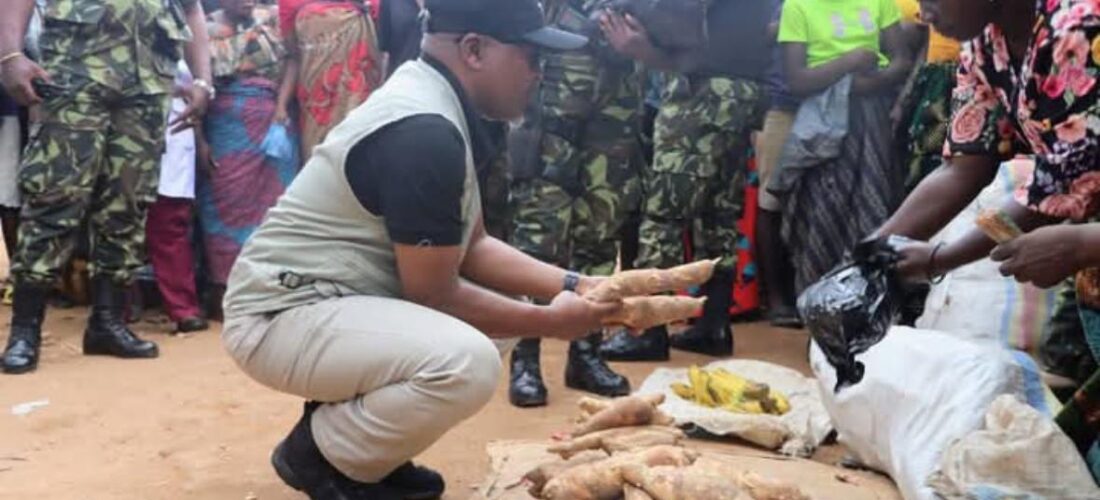
Malawi Vice President and presidential candidate Michael Usi has ditched the pomp and glamour that often accompany party manifesto launches, instead taking his message directly to rural voters.
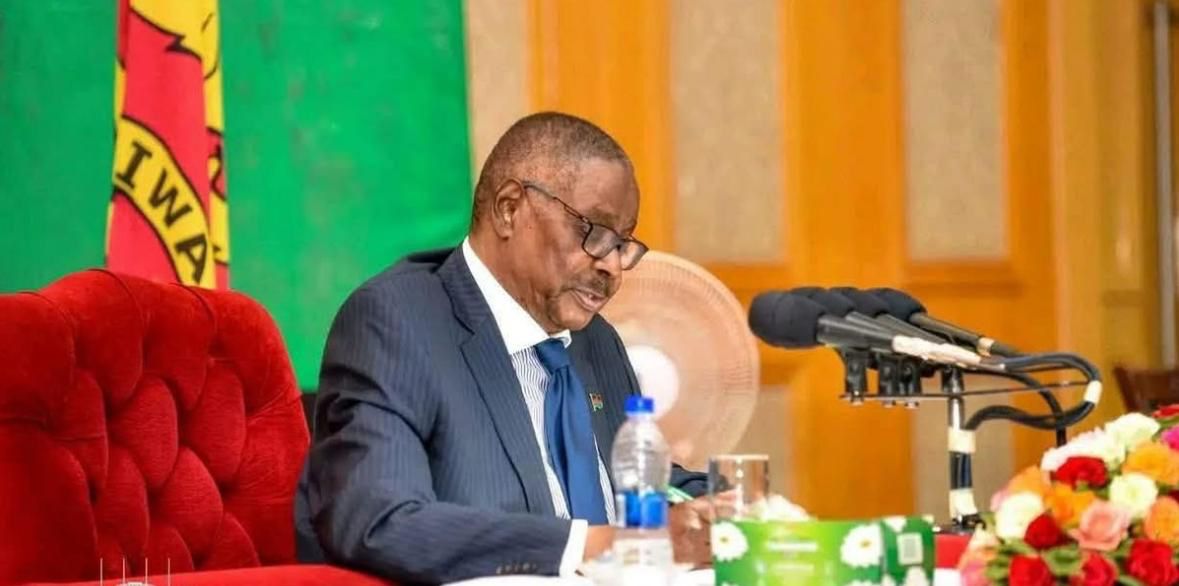
Usi, who is contesting on the Odya Zake Alibe Mulandu (OZAM) ticket, unveiled his Rescue Plan for Malawi at Group Village Headman Mtupanyama in the area of Traditional Authority Likoswe in Chiradzulu. He chose a modest setting, seated on a plastic chair among villagers, and spoke in vernacular so that everyone could understand his vision for the country ahead of the September 16, 2025 General Election.
Usi told the gathering that self-reliance is the cornerstone of his plan, explaining that the OZAM philosophy is about creating conditions where every Malawian can live a better life rather than depending on politicians.
“God did not create you to be poor while leaders stay rich. I came to this village to launch the Rescue Plan to show that it belongs to you, the people in rural Malawi — not foreigners or the wealthy,” Usi said.
The OZAM leader promised a leaner, more professional civil service, hiring based on qualifications and performance rather than nepotism or political allegiance. He said government workers would undergo periodic performance reviews to ensure delivery.
Usi criticised Malawi’s long history of politics of identity, where ruling parties — the Malawi Congress Party (MCP) and Democratic Progressive Party (DPP) — have been accused of favouritism, each dominating different regions. He said his leadership would end this cycle.
On food scarcity, Usi declared that “food is non-negotiable,” promising to revive the Agriculture Development and Marketing Corporation (ADMARC) so farmers could sell produce profitably while citizens buy maize at affordable prices.
He pledged affordable fertiliser for maize farmers, while encouraging others to diversify into crops that do not require fertiliser, reducing dependency and improving resilience.
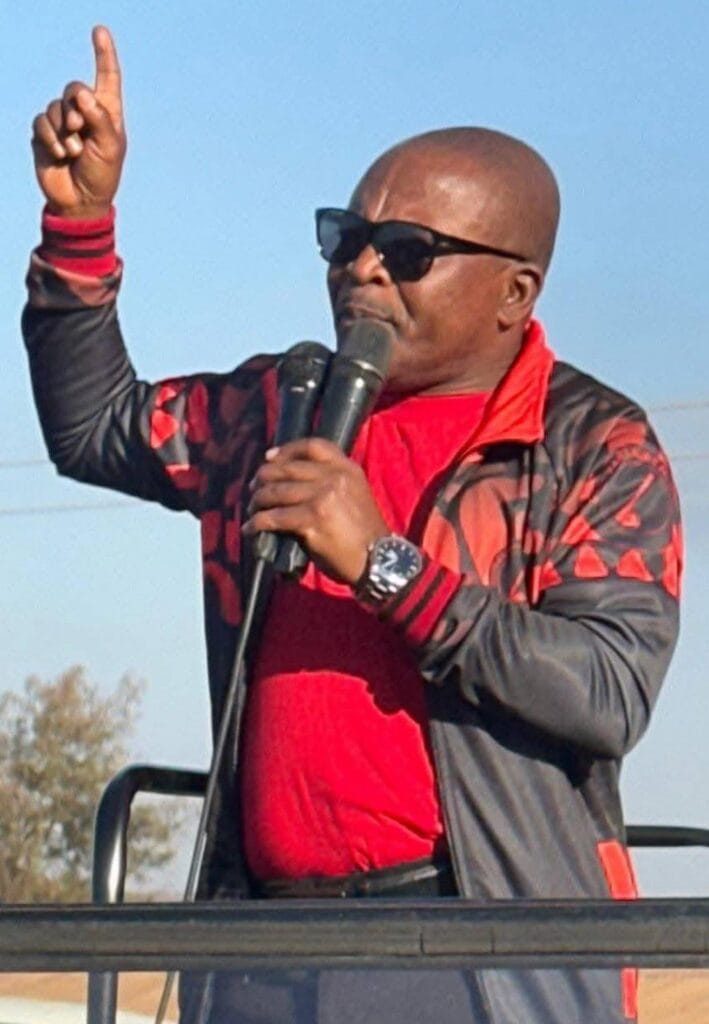
Addressing security concerns, Usi linked high crime rates to youth unemployment. His plan includes business start-up programs to create jobs, expansion of community policing, and empowering traditional leaders under decentralisation to manage security at local level.
“You have been hearing me say there are thieves in government. These thieves are responsible for people’s suffering,” he told supporters.
Other priorities in the Rescue Plan include: expanding rural health facilities, education reforms, support for the elderly, women, and people with disabilities and promoting smaller family sizes to tackle Malawi’s high population growth.
The plan also addresses infrastructure. Usi said many urban houses resemble temporary “initiation camps” and vowed to push for affordable, modern housing and upgraded roads, which he noted as key to unlocking economic growth.
He also took aim at poor construction standards, accusing some foreign investors of building substandard properties in Malawi compared to their home countries.
“In their countries, they build beautiful houses, yet here they build ‘ma Thezo’ (temporary shelters). I will not accept that. We must have quality buildings,” he said.
True to his unconventional style, Usi defended his public dancing, saying it was part of Malawi’s cultural identity.
“People say I should not dance because I am Vice President. But dancing is part of our culture. Does the Vice Presidency take away culture?” he asked.
The Rescue Plan, said Usi, is designed to put ordinary Malawians at the centre of development, promising a government free of corruption, waste, and nepotism.