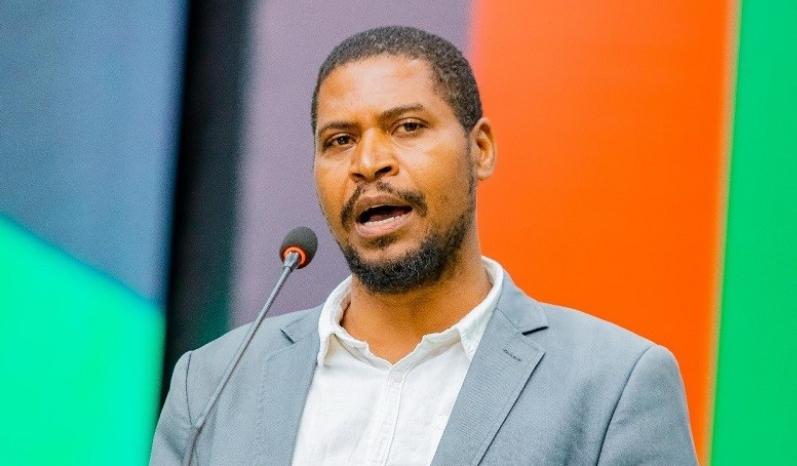
By Edwin Mauluka
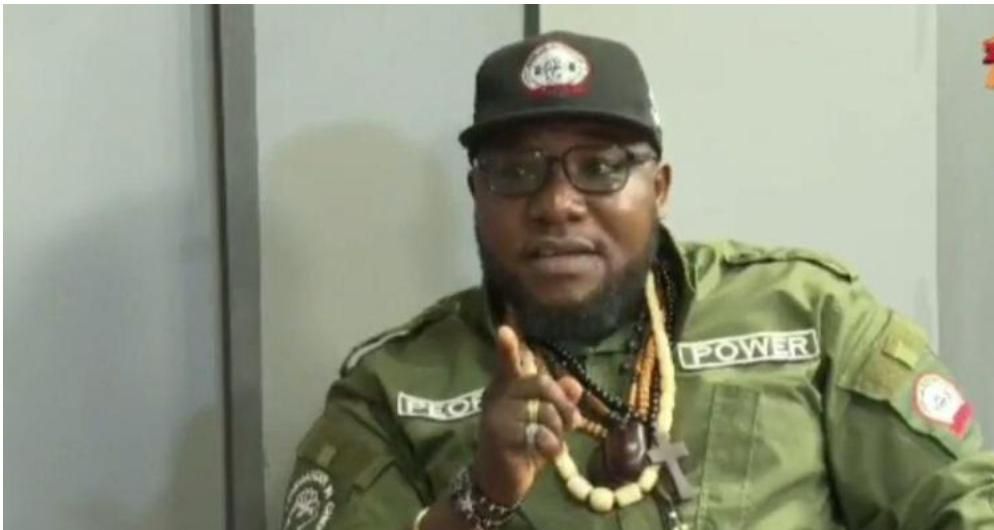
Former soldier and independent presidential candidate Phunziro Mvula, who casts himself as a revolutionary ready to end six decades of business as usual since independence, has set his campaign goal on cutting government expenditure and redirecting resources into productive sectors to revive Malawi’s struggling economy.
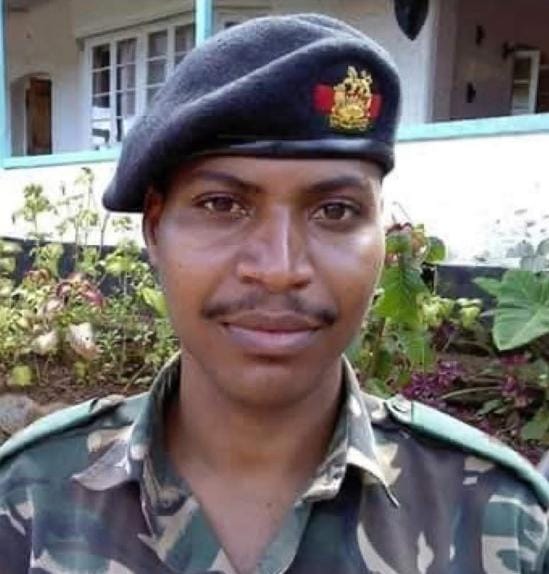
Mvula, who retired from the military at the rank of Major, said if elected in the September 16 elections his cabinet would have no more than 10 ministers, and government officials would no longer commute in luxury vehicles as a cost-saving measure.
“The presidential salary will be cut together with the State House budget, and the money redirected to productive areas such as fertiliser production, education, and health services,” he pledged.
Mvula also promised to fight corruption and improve transparency by publishing government expenditure every month. He said his administration would ensure that resources, including minerals, are managed effectively to create wealth.
To reduce donor dependency, he proposed a culture of productivity and hard work. His plan includes establishing a local fertiliser manufacturing company and launching a New Rural Transformation Programme, which would reinvest tax revenues directly in the communities where they were collected.
On agriculture, Mvula said he would repurpose the concept of mega farms by consolidating smallholder plots into certified mega farms. Farmers would serve as both employees and shareholders, receiving dividends at the end of each season.
“Those dividends will improve their living standards, such as better housing and clean water. A portion will also go to government as tax, to be reinvested back in the same area,” he said.
He stressed that national development must also rest on ethical values to fight vandalism, corruption, nepotism, tribalism, and political division.
Mvula’s agenda also targets reforms in education, health, and international relations. In the short term, he said Malawi could negotiate trade deals using neighbouring countries’ currencies to ease forex shortages. In the long term, he proposed lowering corporate taxes so companies can expand, diversify, and create jobs while boosting government revenue through taxation.
He further claimed that Malawi’s economy could recover K3 trillion allegedly stolen and externalised by successive administrations from Kamuzu Banda to Lazarus Chakwera. He offered no evidence but said his military training equipped him to investigate financial crimes and national tragedies, including the June 2024 plane crash that killed former vice president Saulos Chilima and eight others.
Mvula blamed past and current leaders for Malawi’s woes: “They say they failed because of Cyclone Freddy, cholera, drought. But what if such disasters come again? Will Malawi remain stuck? This administration has failed. We must relieve it of power and I am capable of doing that.”
He concluded that Malawi’s real problem is not lack of resources but a deficit of discipline, responsibility, and integrity.
“If these three things are missing, nothing moves forward. We will keep going in circles as we are now.”