By Patrick Mwanza
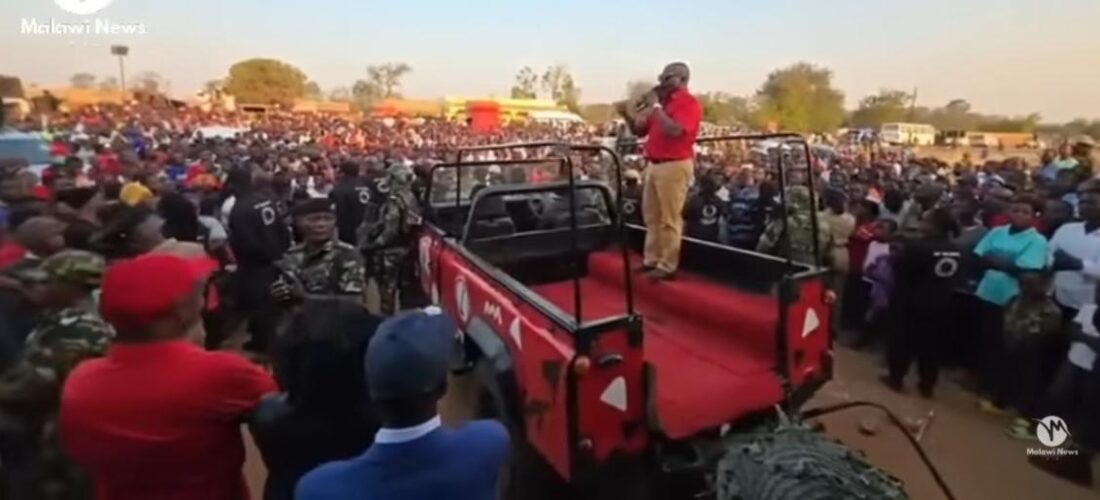
Michael Usi doesn’t just talk discipline. He enforces it. At a rally in Mchinji this week, Malawi’s vice president stopped mid-speech and ordered security to eject a man he considered a distraction. Only when the offender was gone did Usi continue, telling the crowd: “When I say something needs to be done, it has to be done.”
Respect, he added, was the mark of leadership. “When you are in the company of elders, you don’t even raise your voice when speaking on the phone. When I come across a funeral, my motorcade sirens stop blaring to show respect.”
Usi, leader of Odya Zake Alibe Mulandu, now a presidential contender, cast himself as both loyal deputy and reluctant challenger. “I am the first vice president of this country who has worked well with the president,” he said of Lazarus Chakwera. “I respected the president, did what I was asked without reservations.You do as asked.”
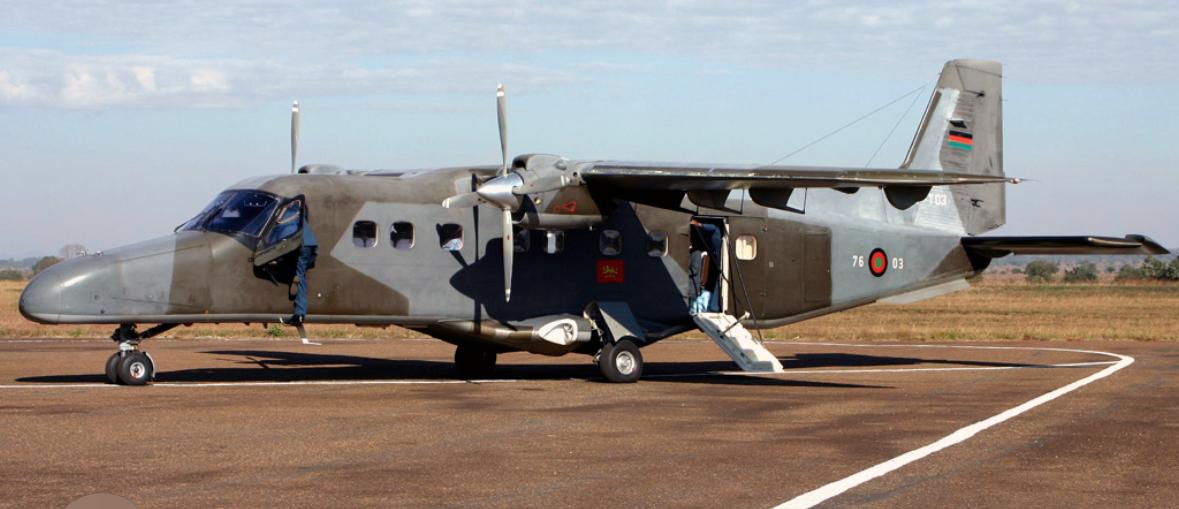
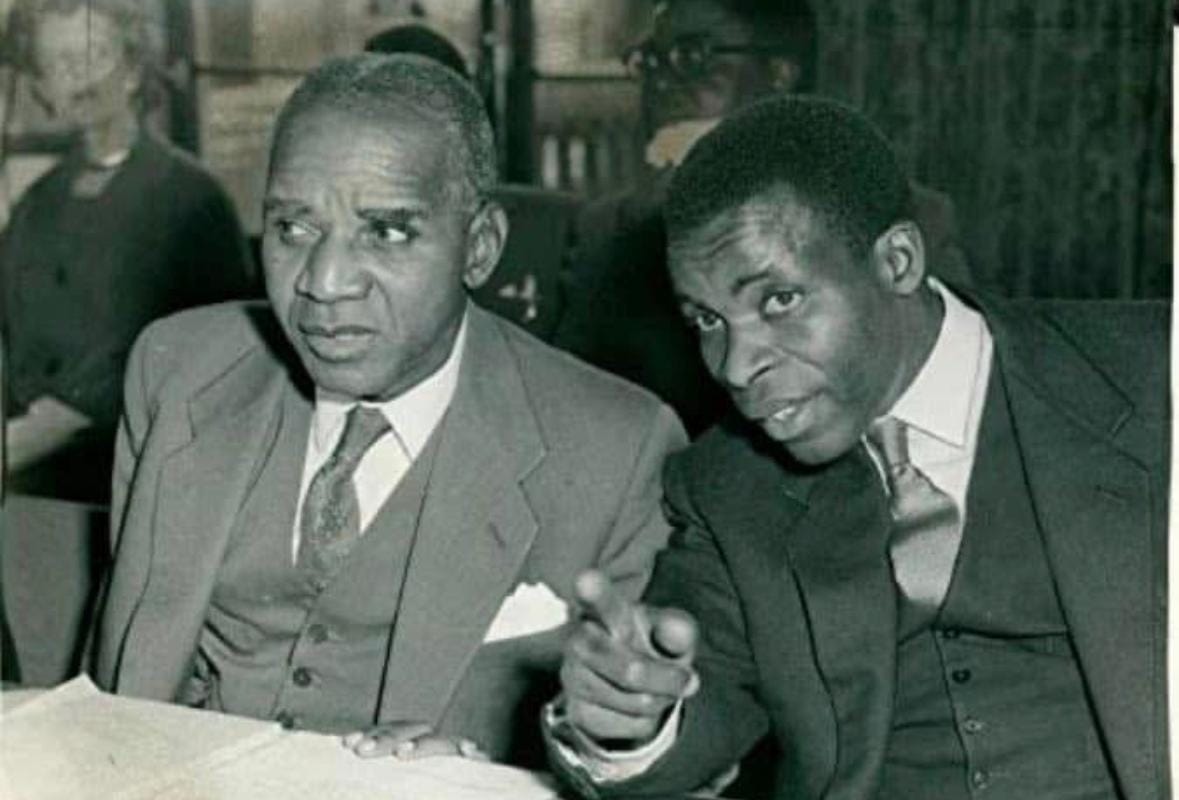
But witnessing the rot from what he considers the front seat convinced him that Malawi needed firmer, more decisive leadership. Usi, who rose to the vice presidency after the death of his UTM leader Saulos Chilima in a plane crash last June, recalled Kamuzu Banda’s one-party era, when “corrupt people were sent to prison” and “unproductive people were fired.” By contrast, he said, today’s Malawi is sinking in indiscipline and corruption.
Known as one of Malawi’s best storytellers, Usi reached for homely allegories. “If you tell your wife a plate shouldn’t be on the bed, your wife shouldn’t ask what is wrong with the plate being on the bed.” The crowd erupted in laughter, but the point surely stuck: when leaders give direction, he said, it must be followed.
Fuel shortages, he claimed, were more than logistical problems for the landlocked country. “We tell people that we have bought fuel,” Usi said, “but do the lines ever end?” He alleged that individuals close to the president were profiting from procurement deals, just as others were in fertilizer contracts, without consequences.
“The country shouldn’t be difficult to manage,” he insisted. “The problem is us, the politicians, who do wrong by you.”
Usi lamented a government that fails to level with citizens about hardships. “In Kamuzu’s time, if the price of matches was going to be raised, it would be announced on the radio.” Now, he said, “When you wake up in the morning, the price of soya pieces could be K1,000, in the afternoon K1,300, and by evening K1,500.”
It wasn’t a stunt, he insisted, when he was spotted shopping in the market: “Parents can’t send their children to school because they have no means. That’s shameful.”
Turning to September 16, Usi reminded voters that their ballot was their best measure of truth. “Reflect on your circumstances. Your vote is sacred. This year, pull your country from the abyss.”
Among 17 presidential hopefuls, Usi pitched himself as a unifier who will work with others, if elected: “The national football team isn’t only made up of players from Bullets or Wanderers. Together we can build Malawi.”
Usi’s campaign blends allegory, accusation, and a preacher’s cadence, an approach that resonates in a country where spiritual beliefs run deep. Whether it wins him power is another story. For now, we know that apart from railing against corruption in government, Malawi’s vice president is a candidate who will not be interrupted.
—The Forum has carried articles on the relationship between the president and vice president. See Can Malawi’s coalitions survive the poisoned chalice of vice presidency?