By Bertrand Banda
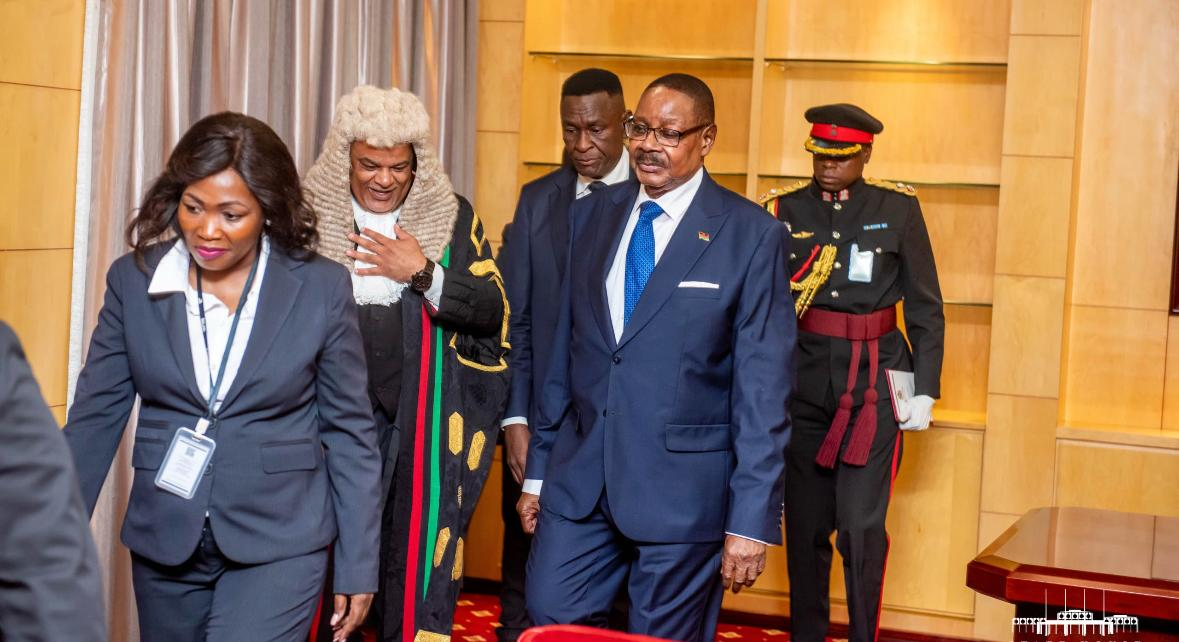
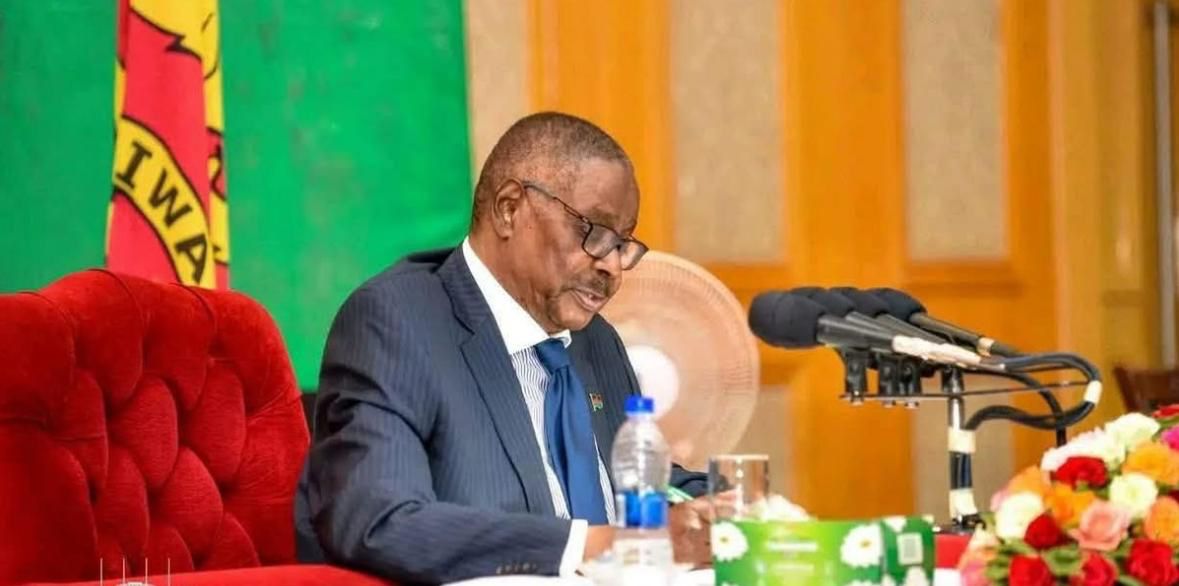
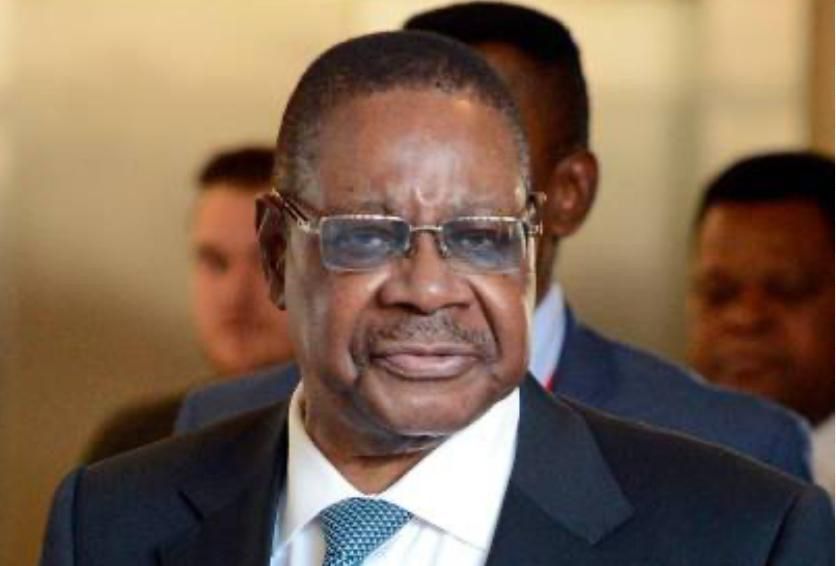
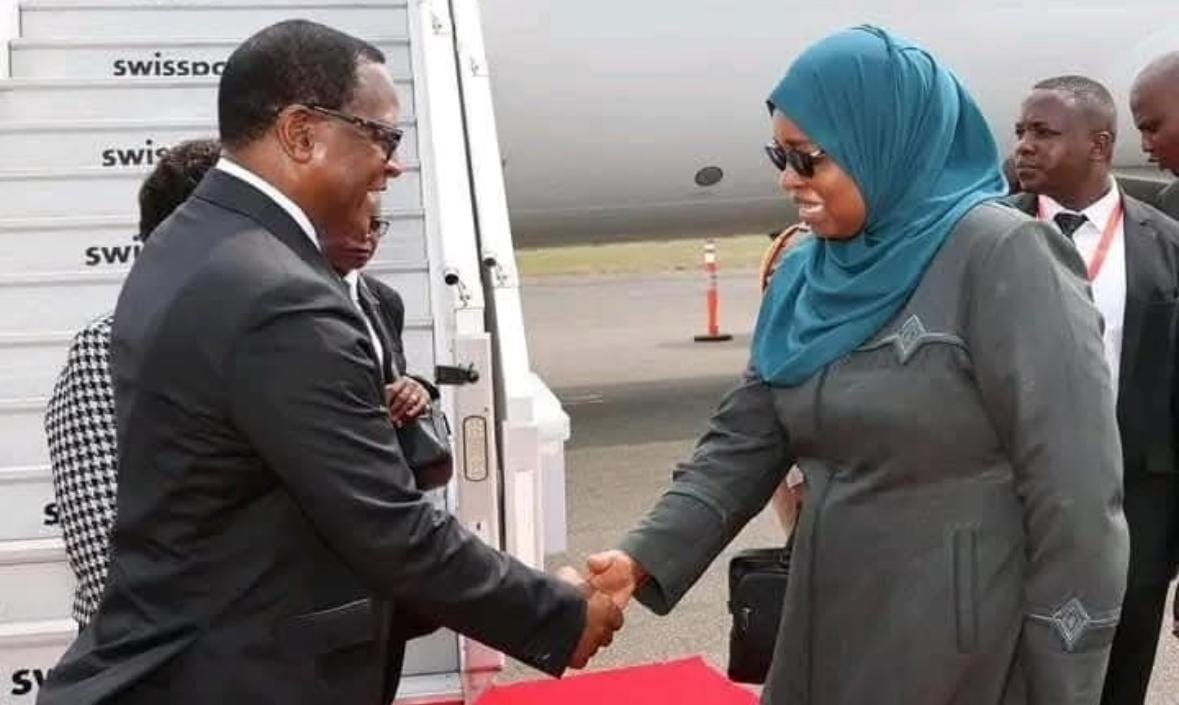
Seventeen presidential hopefuls are on the ballot for Malawi’s 2025 elections. The 17 are President Lazarus Chakwera, Michael Usi, Peter Mutharika, Dalitso Kabambe, Joyce Banda, Atupele Muluzi, Smart Swira, Adil Chilungo, Cosmos Chipojola, Jordan Sauiti, Akwame Bandawe, Frank Mwenefumbo, Milward Tobias, Phunziro Mvula, Kondwani Nankhumwa, Thokozani Banda and Kamuzu Chibambo. Yet not one of them has made crime a central campaign issue.
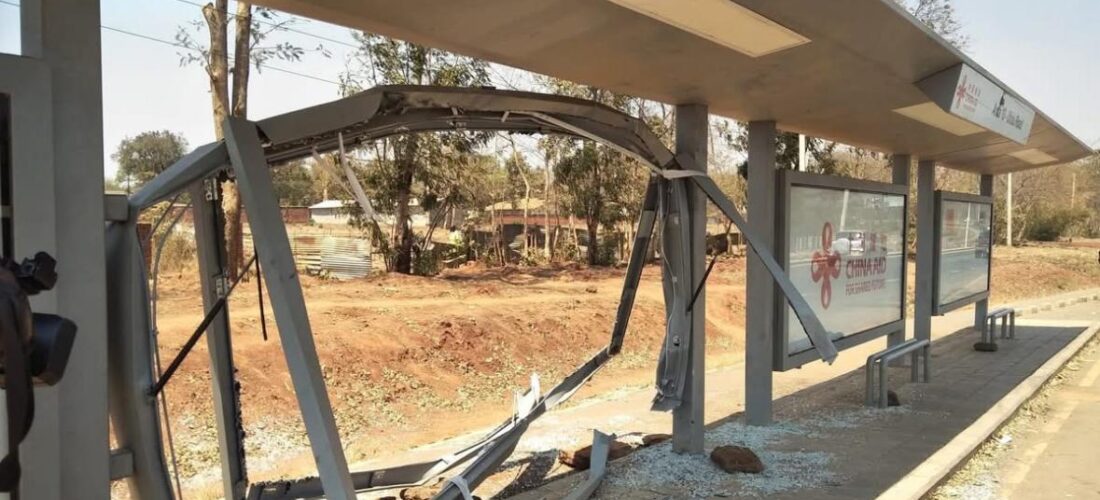
Every day, Malawians wake up to news of theft. Houses and shops are broken into, cars stolen, or property vandalized. The impact is obvious for private citizens as the crime drains savings, destabilizes families, and kills confidence in the economy. We console ourselves by saying “property can be replaced” so long as lives are spared. But can the same be said when it is public property, built at huge cost from taxpayer money, that criminals target?
Consider Escom, the Malawi Electricity Supply Commission. It loses an estimated K2 billion annually to vandalism. Criminals strip its infrastructure, causing service disruptions that affect millions. Escom has admitted it cannot safeguard every installation and has appealed to the public for vigilance.
In Lilongwe, the newly installed solar-powered street lights, part of road upgrades, are under attack. Thieves don’t even want the poles; they strip out the solar units. The city council pays the repair bill, but in reality, it is residents who pay through higher rates and diverted development funds. What should symbolize progress ends up as another burden on ordinary people.
This destruction is not harmless; it robs us of services, slows development, and undermines national morale. Yet as citizens, we seem not to care.
Other countries are not so tolerant. In Singapore, vandalism is met with caning, heavy fines and prison sentences. In North Korea, damaging state property can carry the death penalty, often carried out by firing squad. In Iran and Saudi Arabia, theft can lead to amputations — fingers, hands or feet — depending on whether the offender is a repeat culprit. China imposes up to 10 years’ imprisonment for sabotage, but if lives are lost or property damage is severe, the offender can be imprisoned for life or even execution. Even the United States, which is often thought of as too lenient, imposes fines of up to $250,000 and prison terms of up to 10 years for damaging government property valued at more than $1,000.
Here in Malawi, lawmakers tried to respond. The Electricity Amendment Act 2024 now sets penalties as high as 30 years in prison for tampering with electricity infrastructure, compared to the previous maximum of 10 years and a K5 million fine. But despite the stiffer sentences, vandalism continues. The truth is, criminals do not fear prison. And without effective enforcement, tough laws are little more than words on paper.
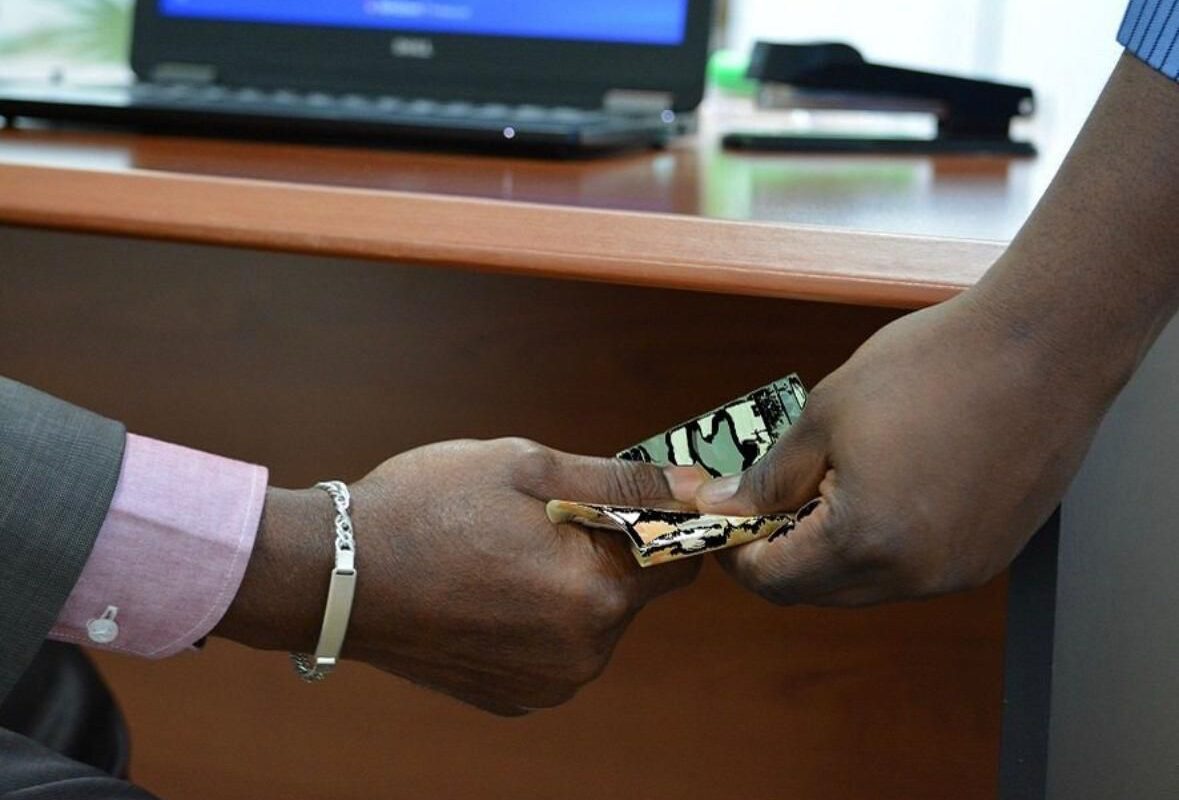
Which brings me back to the season we are currently in. Not one of the 17 candidates has presented a credible plan for dealing with crime, whether it’s everyday theft, vandalism of public property or organized corruption. No one is speaking directly to the fear, frustration and anger of ordinary Malawians who are tired of losing property to lawlessness.
This silence is a mistake. Crime eats away at development just as much as corruption does. A president who cannot guarantee security is a president who cannot guarantee progress.
For me, the choice is clear. I will only vote for the candidate who convinces me they are serious about being tough on crime. Everything else is secondary.
—
Have your say in People’s Forum. Email: [email protected]