By Patrick Mwanza
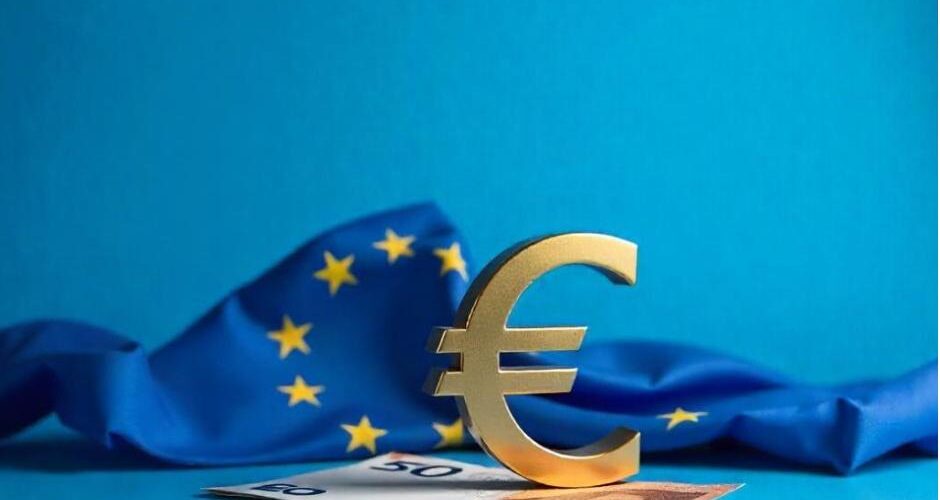
Malawi marked its 61st independence anniversary on July 6, having gained self-rule from Britain in 1964. For nearly five decades, it has maintained close ties with the European Union (EU), a bloc of 27 member states. Although the UK exited the EU through the contentious Brexit process, it remains one of Malawi’s major bilateral donors.
As the country reflects on its post-independence journey, questions arise: What has independence really meant? Has Malawi been truly free, or just in name while remaining financially tied to former colonial powers? Foreign aid often comes with strings attached which critics say undermines real sovereignty.
During his recent farewell appearance on Zodiak Television’s Exclusive Interview, EU Ambassador to Malawi Rune Skinnebach addressed this issue directly.
“Everything we do, we do in coordination with governments,” he said.
On whether aid comes with pressure or obligations, he responded bluntly:
“If they don’t want European taxpayers’ money, they can simply say, ‘No, thank you.’”
Skinnebach likened aid dependency to his own family dynamic. He recalled when his daughter in his home country, Denmark, declared her desire for financial independence.
“Fine, go ahead,” he told her.
The message: independence is a choice that comes with responsibility.
But why, at 61, is Malawi still so reliant on foreign assistance?
Analysts have long explored the reasons behind the country’s economic stagnation. Malawi’s population has ballooned from about 4 million in 1964 to over 22 million today, that is a 450% increase, far outpacing economic growth.
In contrast, neighboring Zambia, also landlocked and independent in 1964, has a slightly smaller population and a more diversified economy, including a thriving mining sector. Malawi, on the other hand, remains heavily dependent on rain-fed agriculture, leaving it vulnerable to climate shocks.
As he leaves the country, Skinnebach didn’t hold back in his assessment of Malawi’s challenges.
He criticized the oversized role of the public sector, saying it stifles private sector growth: “The private sector is crowded out by the public sector,” he noted, pointing to difficulties in accessing financial instruments at the country’s banks.
To move forward, Malawi must confront the root causes of its struggles and these are corruption, rapid population growth, poverty, and persistent shortages of fuel, fertilizer, and foreign exchange. These must be addressed alongside Malawi’s overdependence on aid.
Reforms that are bold and unapologetic may be the key to unlocking real economic independence after 61 years of self-government.