By The Forum
Malawi is grappling with a complex mix of challenges — some of its own making — that must be addressed decisively to unlock sustainable growth, according to an assessment by the European Union (EU), one of the country’s key development partners.
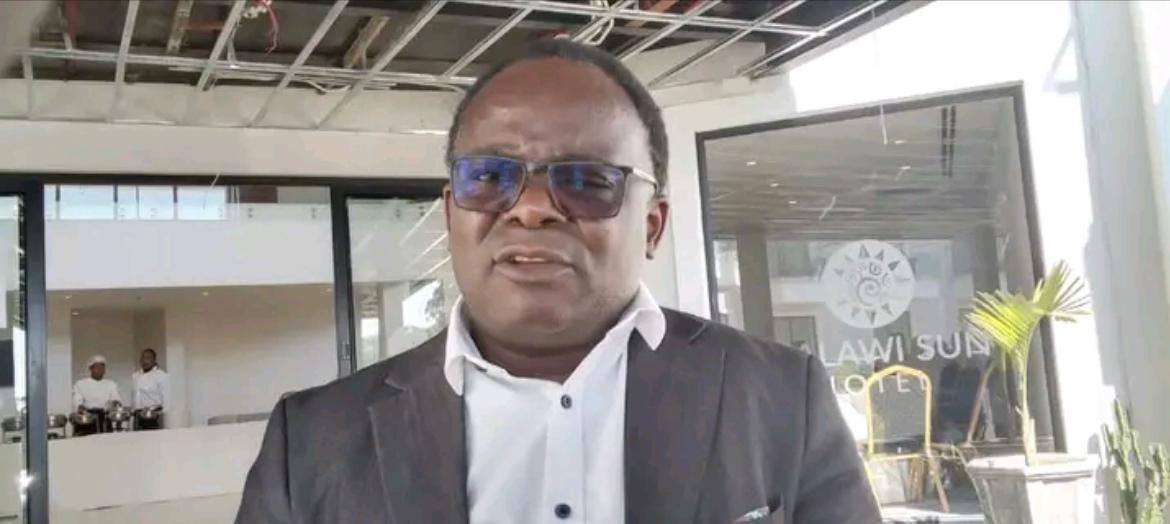
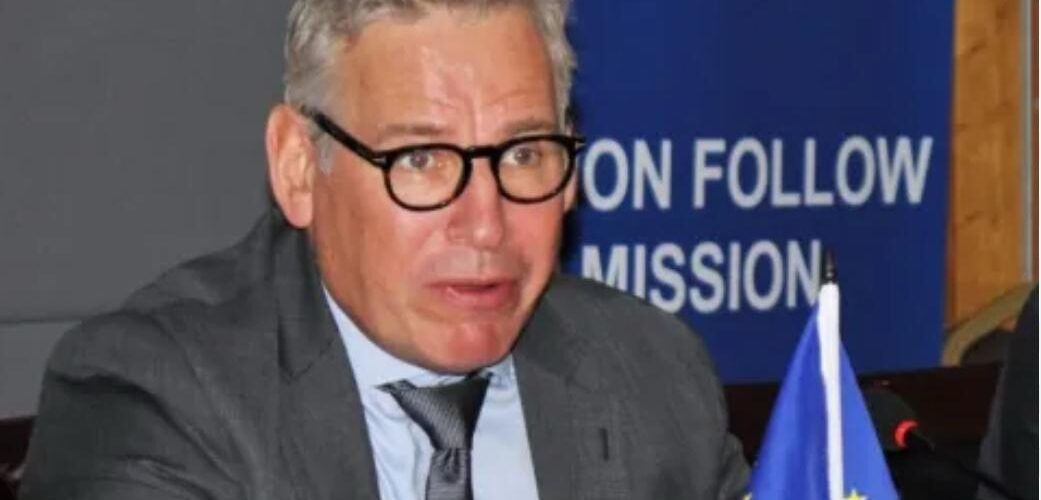
“Malawi is a place where it’s difficult to create results,” said EU Ambassador Rune Skinnebach at the end of his diplomatic tour. “I leave with a degree of disappointment and frustration that I didn’t achieve what I had hoped.”
Appearing on Zodiak Television’s Exclusive Interview with host Gabriel Kamlomo, Skinnebach pointed to poverty and corruption as major obstacles to Malawi’s progress.
He highlighted a persistent lack of fiscal discipline as a chronic issue. Earlier this year, Malawi failed to secure a $175 million four-year Extended Credit Facility from the International Monetary Fund (IMF) after it was terminated due to the government’s failure to meet the required 18-month review.
While Malawian officials have indicated plans to re-engage the IMF after the general elections in September, observers argue that meaningful reforms are unlikely in an election year. Meanwhile, ordinary citizens continue to bear the brunt of soaring living costs.
Commenting on the government’s political calculations, Skinnebach said, “That’s a politician’s problem,” stressing that widespread poverty, fuel shortages, and a lack of foreign exchange are symptoms of Malawi living beyond its means.
“How can you say you live within your means when 70 percent of the population lives in poverty?” he asked.
Although he acknowledged that fighting corruption is no easy task, the ambassador was blunt: “As one of the poorest countries, Malawi can’t afford corruption. Every dollar lost to corruption is taken away from vital sectors [like] health and schools, and that’s dramatic.”
Malawi’s population has surged from about 4 million at independence 61 years ago to over 22 million today, growth that has far outpaced economic development.
Skinnebach expressed regret at not being able to help end what he described as “the vicious spiral Malawi finds itself in,” but left a pointed message for whoever wins the upcoming September 16 election.
“It’s important to turn this spiral around,” he said. “To do that, you need Foreign Direct Investment (FDI) — and to attract that, Malawi must become not just a more attractive option, but a more competitive one compared to neighboring countries.”
“Investors want to make money, of course,” he added. “You need to create these win-win [scenarios], and that’s where we – the EU – [are] trying to push.”
—
Also Read: Facing debt, inflation & forex shortages, Malawi drafts 5-year economic recovery plan
Related: The looting continua: Why Malawi’s economic recovery plan is dead on arrival
Related: MEDF’s MK100bn question: Can Malawi’s latest loan push escape politics and patronage?