By Patrick Mwanza
Sixty-first birthday. Free. Sovereign. Writing history. One party. One president. Thirty years. Multiparty. Three decades. Five parties. Six presidents. Remarkable.
You’re probably getting the picture. If not, let’s keep going. There’s no one way to tell a national story, especially one that often goes sideways.
Malawi turned 61 on July 6. It gained independence in 1964, breaking free from colonial power Britain. It also marks 31 years of multiparty democracy. The new dispensation once boasted more than 60 registered political parties. That’s a lot of voices in a choir that still can’t sing in chorus.
As the country reflects on its past and future, expect conflicting narratives. That’s normal. Even identical twins don’t always agree. So why should politicians or voters?
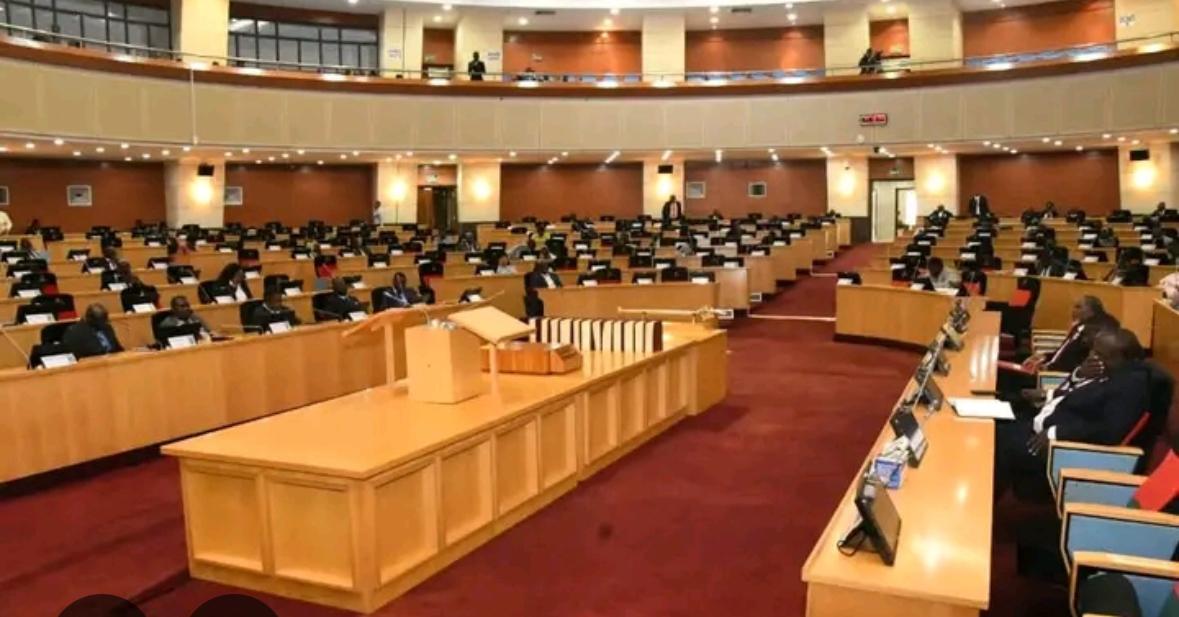
Still, the story of Malawi’s 61 years of independence and 31 years of democracy will certainly spill into the election campaign season. On September 16, voters will head to the polls to elect a president, members of parliament, and local council leaders.
And with campaigns come the usual: promises, distortions, half-truths, and outright lies. Even the president isn’t immune to distorting the facts.
Some argue that President Lazarus Chakwera is simply following a well-worn political script. Back in 2018, his future vice president Saulos Chilima — then running independently as leader of his UTM party — promised one million jobs in the first year of his presidency. Chakwera and Chilima weren’t allies at the time, but they eventually joined forces under the Tonse Alliance in the court-ordered 2020 presidential election rerun and defeated the incumbent.
Chakwera became president. Chilima, vice president. Their political relationship later soured, but Chilima nickname “Mfana Woganiza Bo”, Chichewa slang for ‘a smart guy’ remained a popular figure, especially among youth and urban voters, until his tragic death in a plane crash in June 2024.
Job creation was the centerpiece of Chilima’s agenda in 2019, and he stayed focused on the issue while in office. With young people making up over half of Malawi’s 23 million population, his message resonated.
Ten months after his death, in April this year, President Chakwera raised the stakes: three million jobs, he said, would be created after winning re-election. But here’s the obvious question: how many jobs has this administration created in the past five years?
As of 2024, Malawi’s official unemployment rate stands at 5.4 percent, yet over 70 percent of the population lives on just $2.15 a day, according to the African Development Bank.
Let’s rewind to earlier this year, when Chakwera delivered his State of the Nation Address (SONA). Don’t remember it? That’s understandable. Campaign promises fade fast. But the speech matters.
In it, the president claimed a litany of infrastructure development projects implemented during the current administration when in truth he was referencing projects by private donors or ones that didn’t even exist at all.
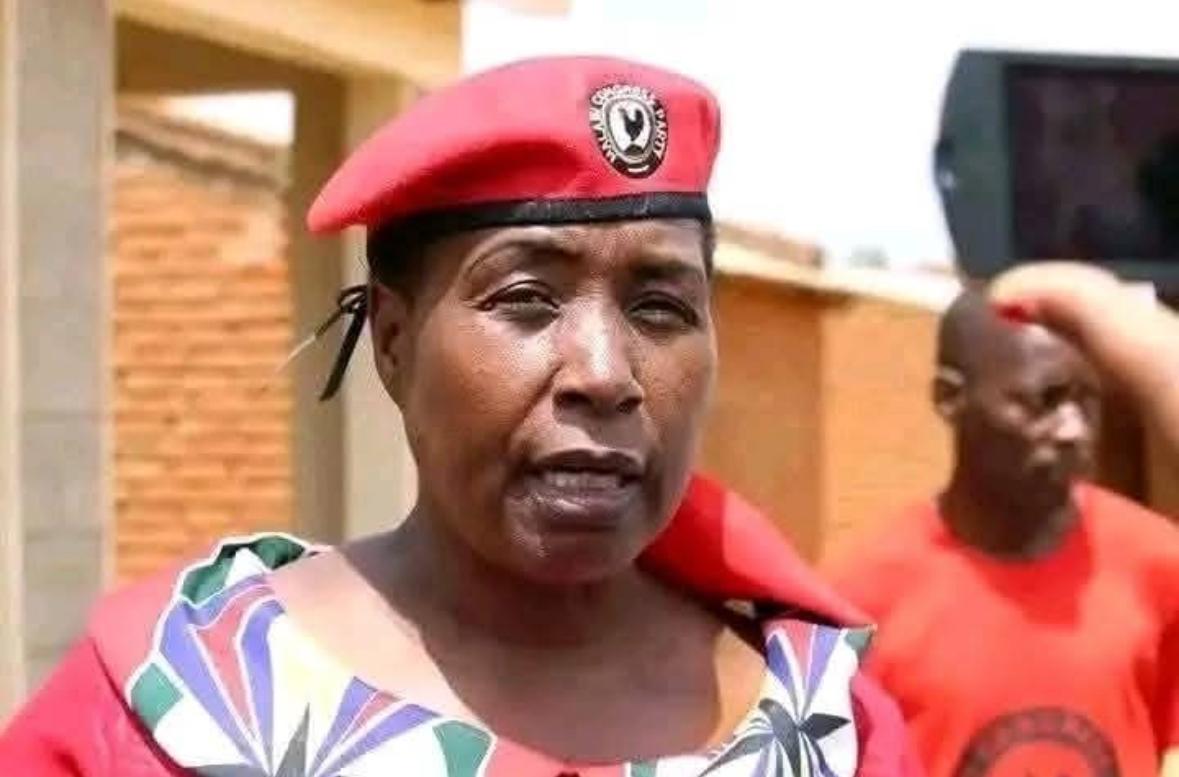
Yet when the inaccuracies were challenged, Malawi Congress Party spokesperson Jessie Kabwila responded in a widely shared audio clip: “In politics, facts don’t matter; perception does.”
She’s not entirely wrong. Politics often runs on perception. But when perception replaces reality, the truth gets trampled. That’s not just common, it’s dangerous.
There’s a reason truth matters. Yes, politicians lie. Some bend it. Some stretch it until it snaps. But when lies become routine, they erode more than public trust, they corrode governance itself.
Michael Blake, professor of philosophy, public policy and governance at the University of Washington, draws from Immanuel Kant’s moral philosophy. In The Conversation (January 20, 2023), Blake writes: “When you lie to me, you treat me as a thing to be manipulated… rather than a person with a moral status equal to your own.”
And when candidates lie, he continues, “we can’t know what they really plan to do — and can’t trust that we’re voting for someone who will best represent our interests.”
Blake also invokes John Locke’s foundational political principle: political authority stems from the consent of the governed. But if that consent is won through lies, then it’s not legitimate.
Yes, campaigns are messy. Yes, they’re full of spin. But blatant, easily disprovable lies do more than mislead, they reveal incompetence, even contempt.
In the end, some desperate to win will tell themselves politics is a game of narratives, not facts. But let’s be honest: if politicians want people to believe their words over people’s first-hand experiences, at the very least, they should make the lies appear credible; otherwise they come off as downright foolish.