By Peter Jegwa
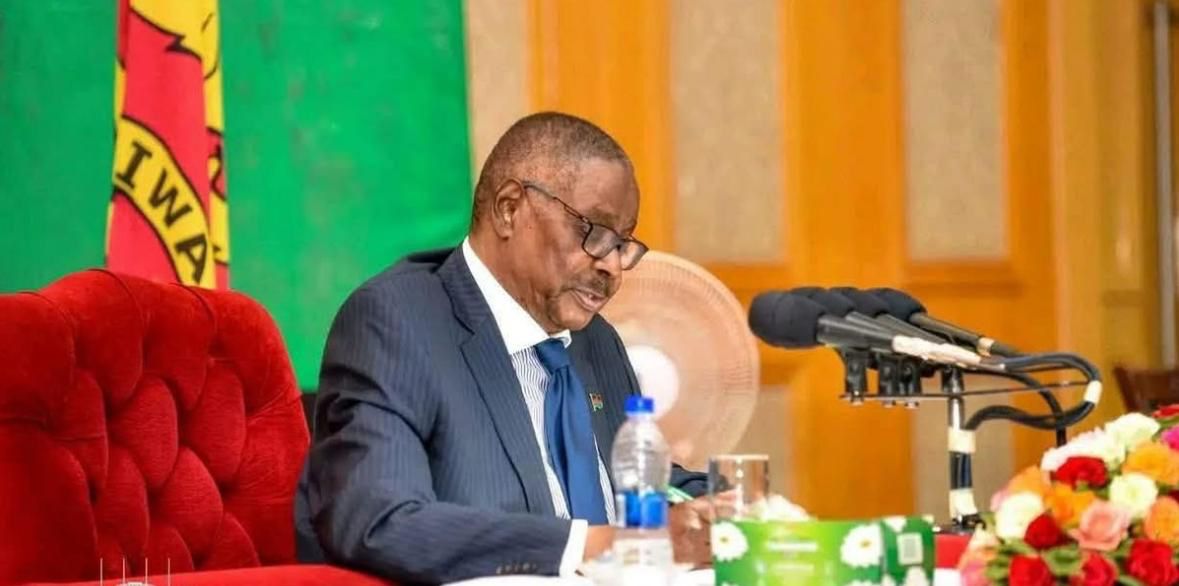
By not appointing a single person into cabinet, Malawi president, Lazarus Chakwera, has violated the country’s National Youth Policy which prescribes that there must be 30 percent representation of youth in decision making bodies at all levels, a youth activist has said.
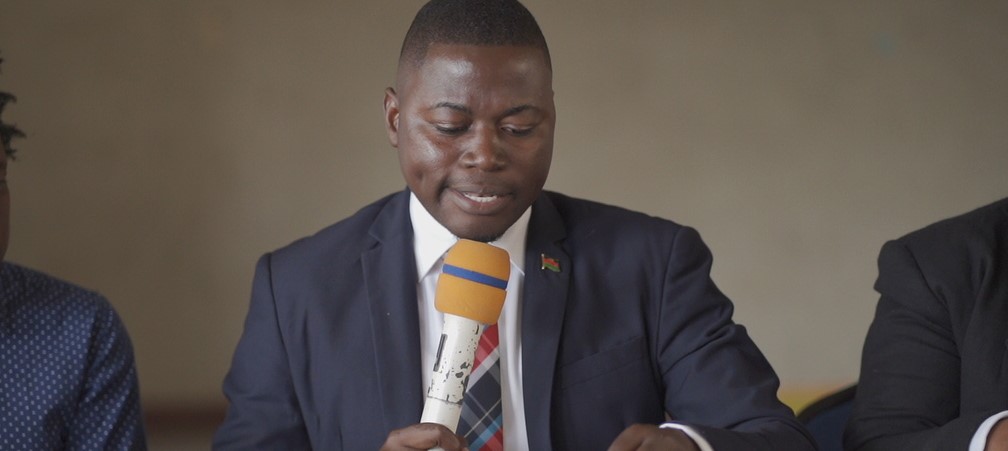
Team leader of Center for Governance and Leadership (CEGOL), Chimwemwe Kaonga, told a town hall meeting convened by the Institute for Policy Interaction (IPI), at Soche Technical College in Blantyre that none of 29 ministers and deputy ministers appointed by Chakwera in cabinet is a youth and this contravenes that the Malawi National Youth Policy.
The Malawi National Youth policy defines youth as “all persons from age 10 to 35 years regardless of their sex, race, education, culture, religion, economic, marital and physical status.
It also provides that there must be: “At least 30% representation of youth are in decision making bodies at all levels such as Village Development Committees, Area Development Committees, District Councils and National Parliament.”
Malawi has a cabinet of 31 members, including the president and his vice, all of them outside the youth bracket as defined in the Malawi National Youth Policy.
Kaonga also told the town hall meeting that nearly all political parties in Malawi are not doing well when it comes to promoting inclusion of the youth in decision making positions.
He observed Directors of Youth in all major political parties are old people and added that during the 2019 Parliamentary elections there was only one person below the age of 35 who was elected into parliament on party ticket.
The town hall meeting was convened under the Go to Vote Campaign, a national civic and voter education initiative aimed at strengthening voter engagement and democratic participation ahead of the 2025 Tripartite Elections.
Malawi history shows that young people, women, and persons with disabilities continue to face significant structural barriers that limit their participation in the political process — both as voters and as leaders.
IPI executive director Nandin Patel underscored the importance of young people exercising their right to vote while at the same time making meaningful decisions for the betterment of their lives and the society at large.
Patel said more needs to be done to encourage youths to vote during the 16th September general elections, arguing the threat for voter apathy remains high.
The youth in Malawi make up more than 40% are persons of the national population. Literacy rate within this age bracket is estimated at 81.8% with slightly more males (86.6%) than females (77%) being literate.
Although youth constitute a significant proportion of the population, they lack basic opportunities that would enable them develop to their full potential. This has been compounded by the presence of a range of adverse conditions that impinge on the youth; the most perverse, being poverty.
—
Also Read: Speaker presses Chithyola: Prove IMF deal that blocks youth jobs
Related: Silence after Afrobarometer poll shows youth want to leave Malawi
Related: Why Chakwera should dismiss his security detail