
By The Forum
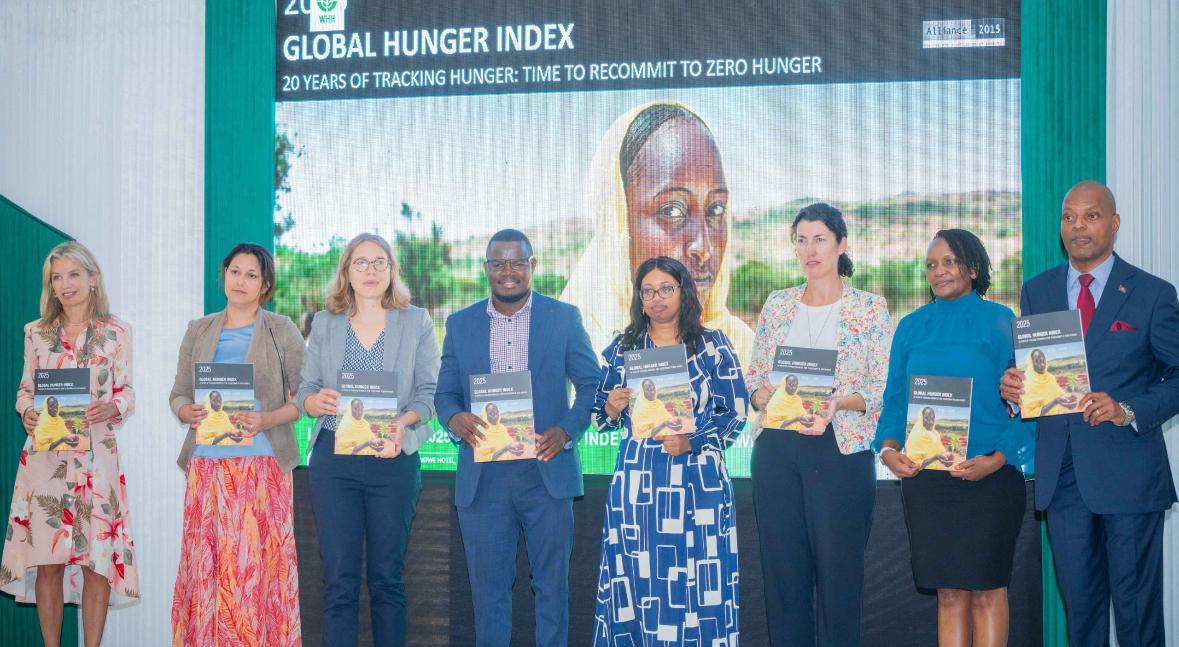
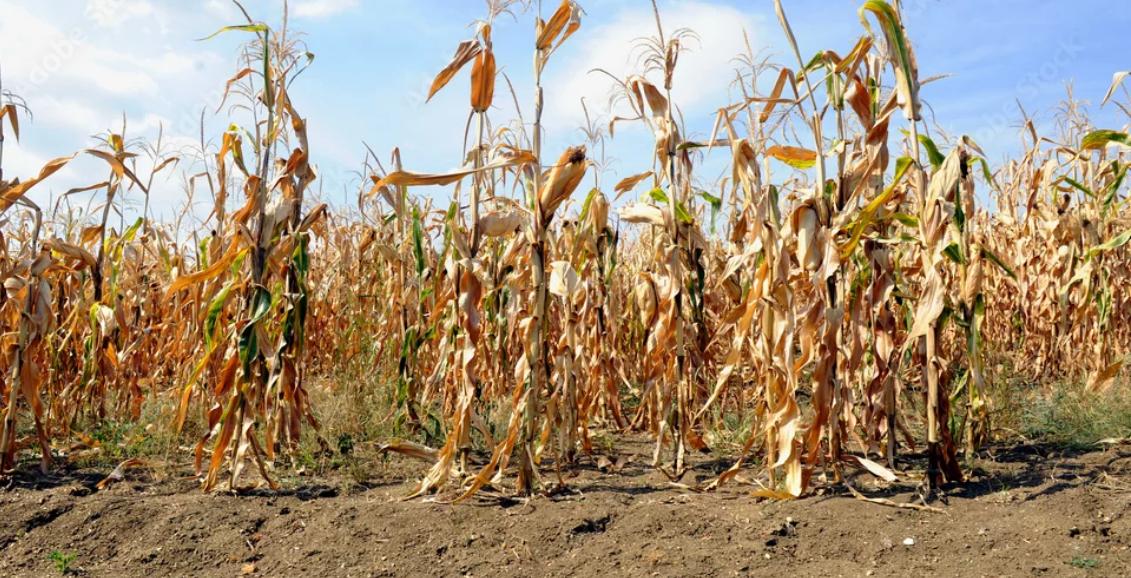
It’s strange, isn’t it? Malawi has suffered more hunger in the 30 years of democracy than in the 30 years under dictatorship. One would think that with all the freedoms we gained, we’d have at least secured the freedom to eat. But here we are, three decades later, still talking about hunger like it’s an unavoidable natural disaster — except it’s not.
Malawi’s population has grown from five million in 1964 to about 20 million today. Yes, more mouths to feed, but also more hands to work the land, more brains to innovate, and, supposedly, more enlightened leaders to guide us. And yet, from 1964 to 1994, hunger was a rare crisis. Since 1994, however, it has become as predictable as campaign promises.
Of course, our politicians always have convenient scapegoats. Climate change! If it’s not climate change, then it’s Covid-19! If not that, then it’s something else! You’d think they had everything perfectly planned, and then—oh no!—a sudden and unexpected global catastrophe wrecked their flawless blueprint. How tragic.
But wait—did climate change drain Lake Malawi? Did Covid-19 dry up the Shire River? Because last I checked, those fresh water sources still run the length of the country, perfectly capable of supporting large-scale irrigation. Somehow, though, the same leaders who blame everything but themselves can’t seem to connect water with farming. Revolutionary thinking, I know.
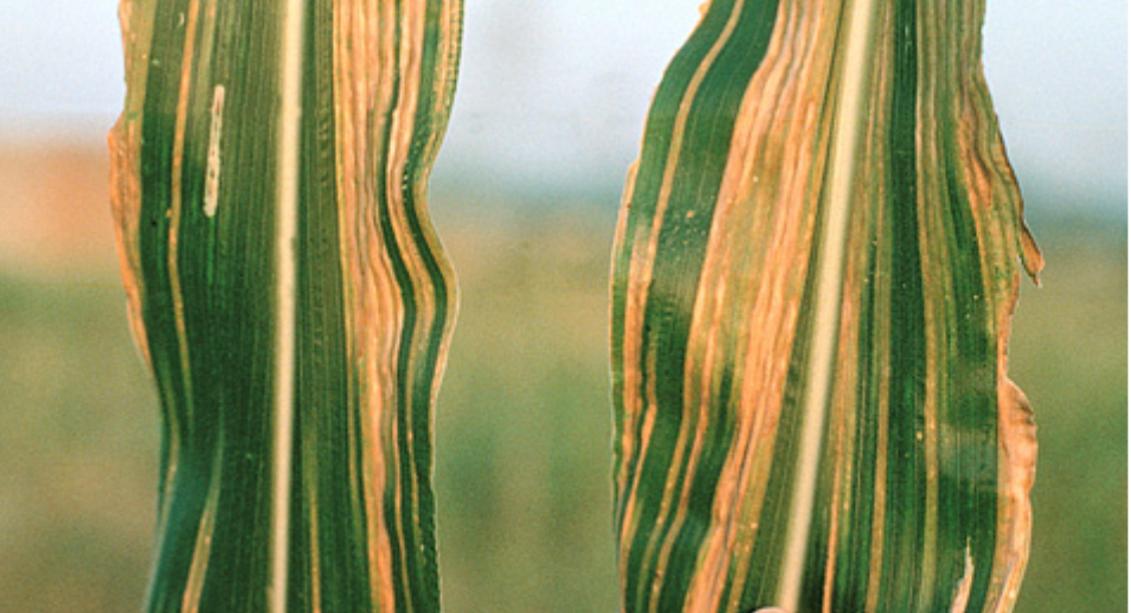
Then there’s the classic excuse: “The soil isn’t fertile enough” because it’s common knowledge that nothing grows in Malawi — except sugarcane, which we export; except rice, which we underutilize; except tobacco, which feeds foreign industries while Malawians go to bed hungry. The truth? If rice grows well and could replace maize, but we still cling to nsima as if the Bible, Quran, or ancestral spirits commanded it, then hunger isn’t a soil problem but a leadership problem.
And here’s the real kicker: Hunger in Malawi isn’t just a failure of governance; it’s a political tool. When people are starving, maize suddenly vanishes — except, of course, for the stockpiles held by the government and a few well-connected religious leaders. And then, like clockwork, they generously distribute it as a gift to the suffering masses.
Ending hunger shouldn’t be as complicated as it’s made out to be. Malawi has the essential ingredients to become food self-sufficient. If achieving this doesn’t require political will, which is the main ingredient, then what will it take to finally make hunger history? Welcome to The Forum, officially known as the Malawi Media Forum for Effective Governance.
—
Also Read: 4 million Malawians face hunger, experts urge diet diversification
Related: Hunger top priority: Mutharika names Chihana VP, Jaffu army chief