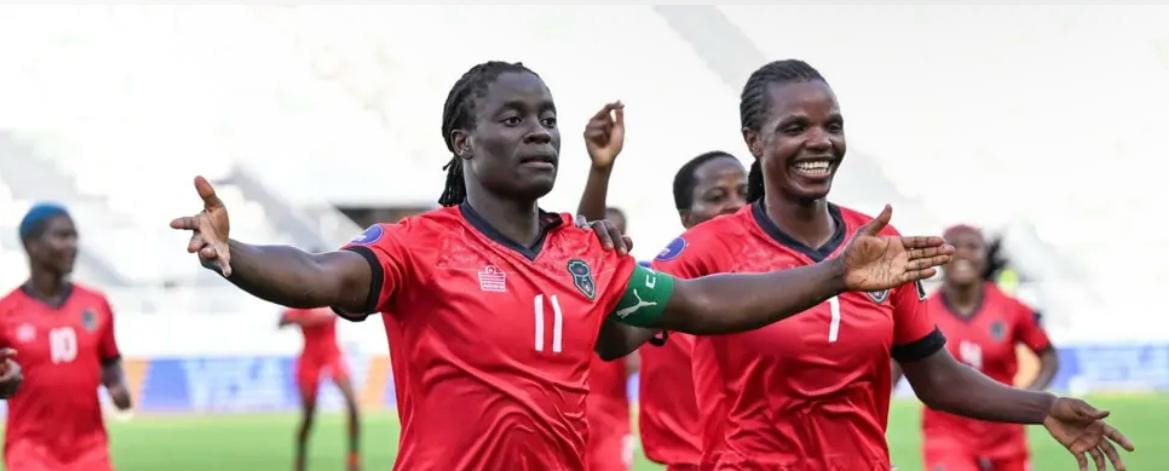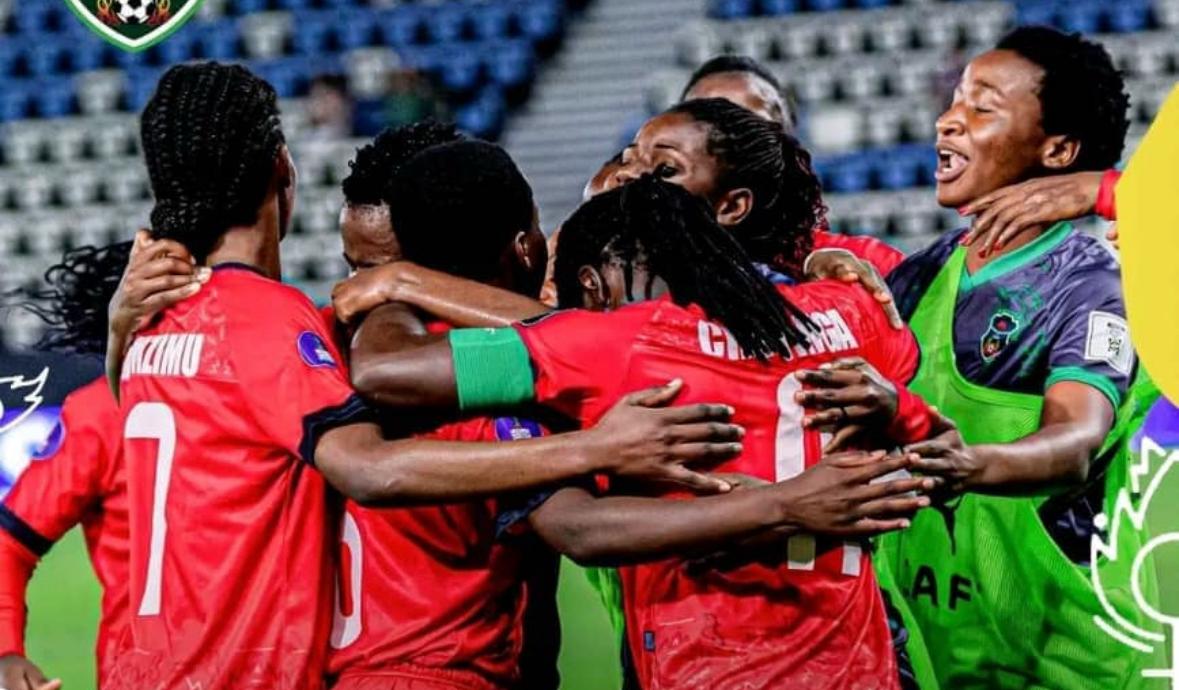
Malawi’s Wafcon runners-up may have lost the final, but their historic run has won something bigger: a country united in pride, celebration and renewed belief in what its women can achieve.
ANALYSIS | Football | National Pride | By Patrick Mwanza
The Scorchers’ defeat in last Sunday’s Wafcon final did little to dampen the mood back home. The referee’s final whistle may have ended Malawi’s campaign in Morocco, but it also started a different countdown: the wait for the team to come home.
By Wednesday, the party was already underway, long before the plane carrying the Malawi women’s national football team touched down at Kamuzu International Airport in Lilongwe.
And what a homecoming it was.
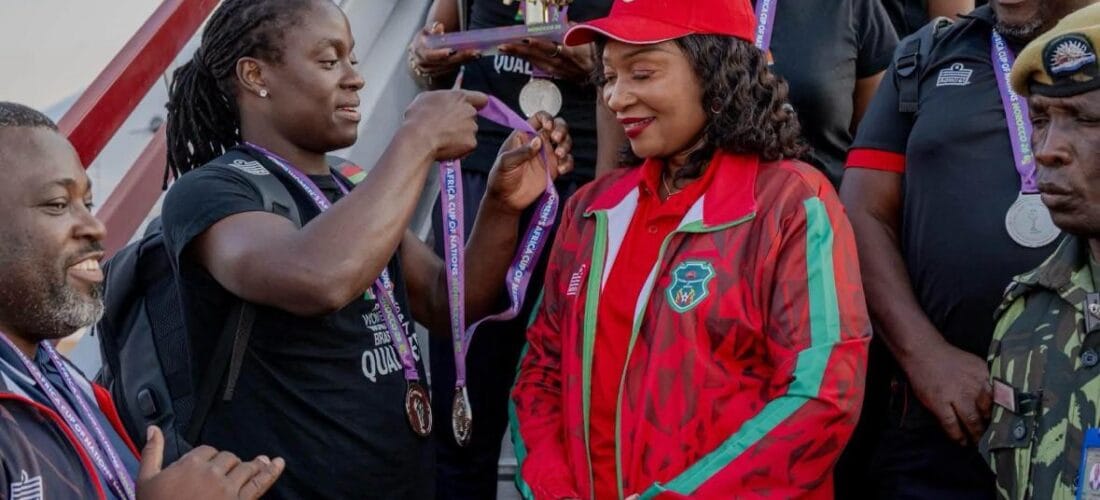
The Scorchers arrived on an all-woman flight crew, including the pilot and co-pilot, returning with the silverware and the silver medals that marked an extraordinary achievement: a debut Wafcon campaign that took Malawi all the way to the final.
The players stepped off the aircraft to a resounding display of national pride from the public. Among those waiting on the tarmac was the country’s self-styled number one fan, First Lady Gertrude Mutharika. The chanting began before the players had even cleared the aircraft doors.
This was no ordinary welcome. It was Malawi embracing a team that had carried the national flag with courage and distinction.
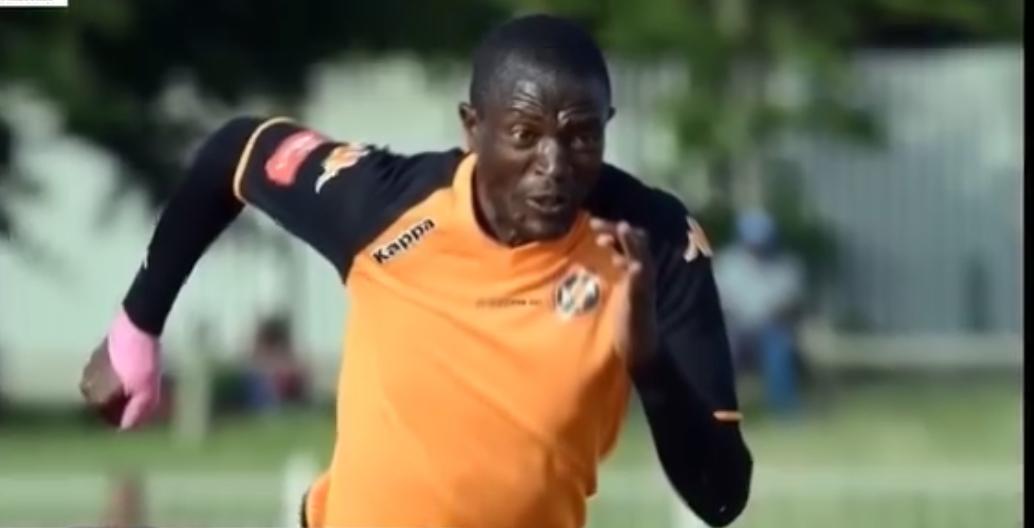
Among those there was another figure who understood what the moment meant: Kinnah Phiri, the legendary former Flames striker and Malawi’s all-time leading scorer.
There was something almost poetic about Kinnah standing there to welcome a generation of footballers who were not even alive when he was making his name in the national team. The women’s national team itself did not yet exist.
Kinnah was part of the Malawi side that won the Council of East and Central Africa Football Association (CECAFA) Cup in 1978 and 1979. Malawi won the tournament three times in all, with the last victory coming in 1988, seven years after Kinnah had retired from international football.
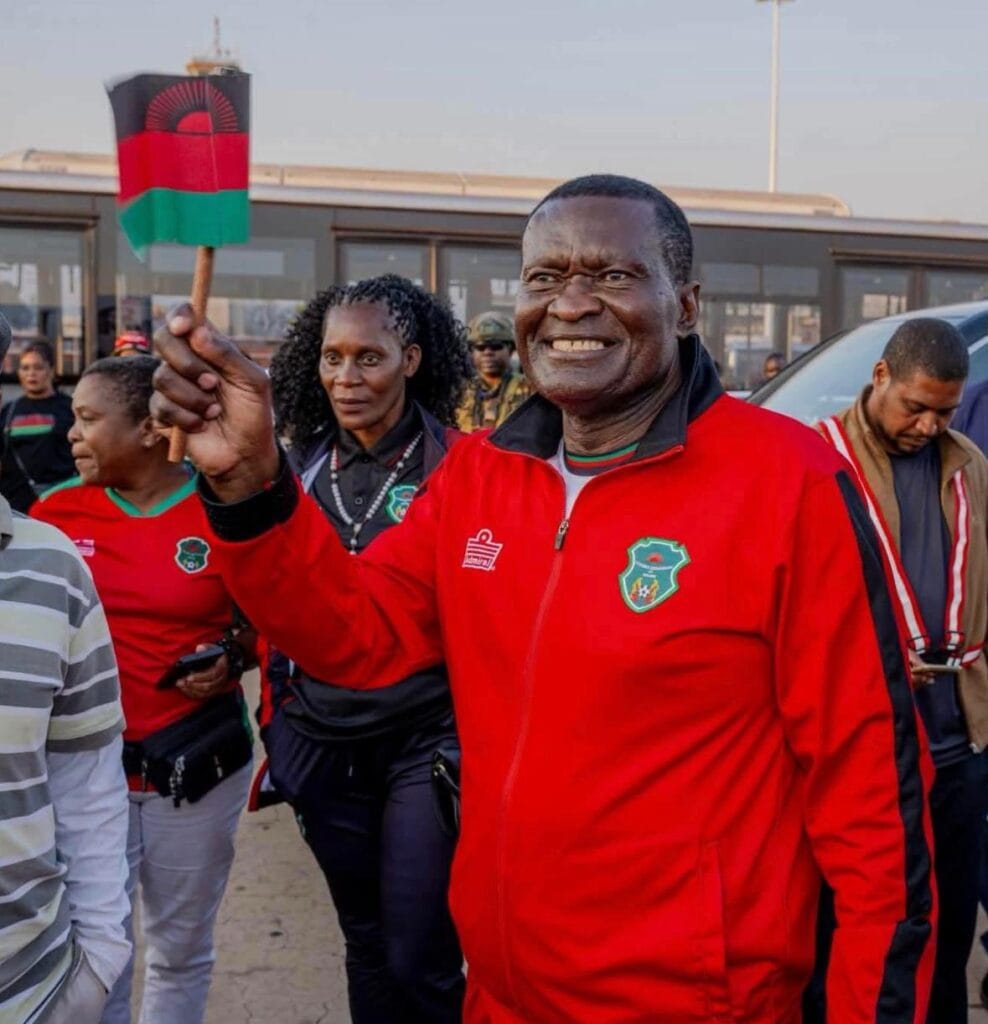
Kinnah Phiri joins the Scorchers’ historic homecoming.
The contrast with the present could hardly have been sharper.
The Flames, Malawi’s men’s national team, have appeared at the Africa Cup of Nations three times — in 1984, 2010 and 2021. Their best performance came in 2021, when they reached the round of 16.
The Scorchers have now rewritten that record.
They did it in their first appearance at the Wafcon.
Perhaps that is why the achievement has resonated so deeply. It is not simply that a women’s football team reached a continental final. It is that a group of Malawians who were not expected to go this far did precisely that — and in doing so, gave a country accustomed to disappointment something to celebrate.
Sports can do that.
It can capture the imagination of almost everyone, from the child on the street to the captain of industry. For a few weeks, the usual arguments and frustrations were pushed aside. The Scorchers gave Malawians something shared.
The rewards have followed.
NBS Bank announced a K245 million package for the team, with chief executive Temwani Simwaka praising the courage, resilience and determination shown by the players.
National Bank of Malawi has also indicated that it intends to make payments and bonuses to the team.
President Peter Mutharika has joined the chorus, pointing to the unity surrounding the Scorchers as an example of what can happen when people work together towards a common purpose.
Opposition UTM president Dalitso Kabambe likewise praised the team’s remarkable run, from overcoming formidable opponents to reaching the final.
And then there was the football itself.
“Flames can never beat Scorchers even if they were eight months pregnant.”
Ranked 153rd in the world, Malawi began its Wafcon campaign by beating defending champions Nigeria, ranked 36th and the tournament’s record 10-time winners.
The Super Falcons could not fly that day. The Scorchers grounded them 3-2.
Egypt came next and went down 3-1.
A 2-1 defeat to Zambia in the final group match did not matter. Malawi had already done enough to progress.
Then came Ghana in the quarter-finals. Ghana took the lead. The Scorchers did not panic. They fought back and won 2-1.
Algeria awaited in the semi-final. The Desert Foxes could not withstand the heat. Malawi won 3-1 and booked a place in the final.
There, three-time Wafcon runners-up Cameroon ended the dream with a 3-0 victory.
But by then, the Scorchers had already achieved something bigger than a trophy.
They had changed the conversation.
Back home, support for the team has gone through the roof, accompanied by calls for a rethink of national sporting priorities and funding. The women’s team, established in the early 2000s, has now surpassed the continental record of a men’s side that has been part of Malawi’s sporting identity since independence in 1964.
“Flames can never beat Scorchers even if they were eight months pregnant,” one Facebook user wrote.
It is, of course, an exaggeration. But it also says something about the frustration surrounding the men’s national team and the sheer joy the Scorchers have generated.
The girls have also brought home US$750,000 in prize money for finishing second. That is not a small achievement for a country hungry for foreign investment and economic growth.
Yet perhaps the greater prize is intangible.
“Sometimes the people nobody expects to win are the ones who teach everyone else how to dream.”
For once, Malawi has been on the receiving end of attention for something other than economic hardship, political arguments or crisis. The Scorchers have put the country’s name in front of a continental audience for all the right reasons.
They have also reminded Malawians that expectations can be dangerous things. Sometimes the people nobody expects to win are the ones who teach everyone else how to dream.
Now comes the responsibility of ensuring the players receive what they have earned.
NBS Bank has said its K7 million pledge for each player will go directly into the players’ bank accounts. Perhaps that is one way of ensuring the reward reaches the women who earned it.
And so the party continues.
The Scorchers did not bring home gold. They brought home silver.
But they also brought home something far more valuable: a sense of possibility.
For a country that often finds itself divided over almost everything, the Scorchers found a way to make Malawians stand together.
Ride or die, indeed.