The 20MW/40MWh battery energy storage facility is expected to stabilise Malawi’s electricity grid, reduce outages and support the government’s push to expand electricity access to 70% by 2030.
NEWS | Energy | Edwin Mauluka
Malawi has commissioned its first utility-scale Battery Energy Storage System (BESS), marking a significant step towards a more reliable electricity supply and a less fragile national grid.
The 20-megawatt/40-megawatt-hour facility, installed at the Electricity Supply Corporation of Malawi’s (ESCOM) Kanengo Substation in Lilongwe, is designed to improve grid stability by storing excess solar energy generated during the day and releasing it during periods of peak demand.
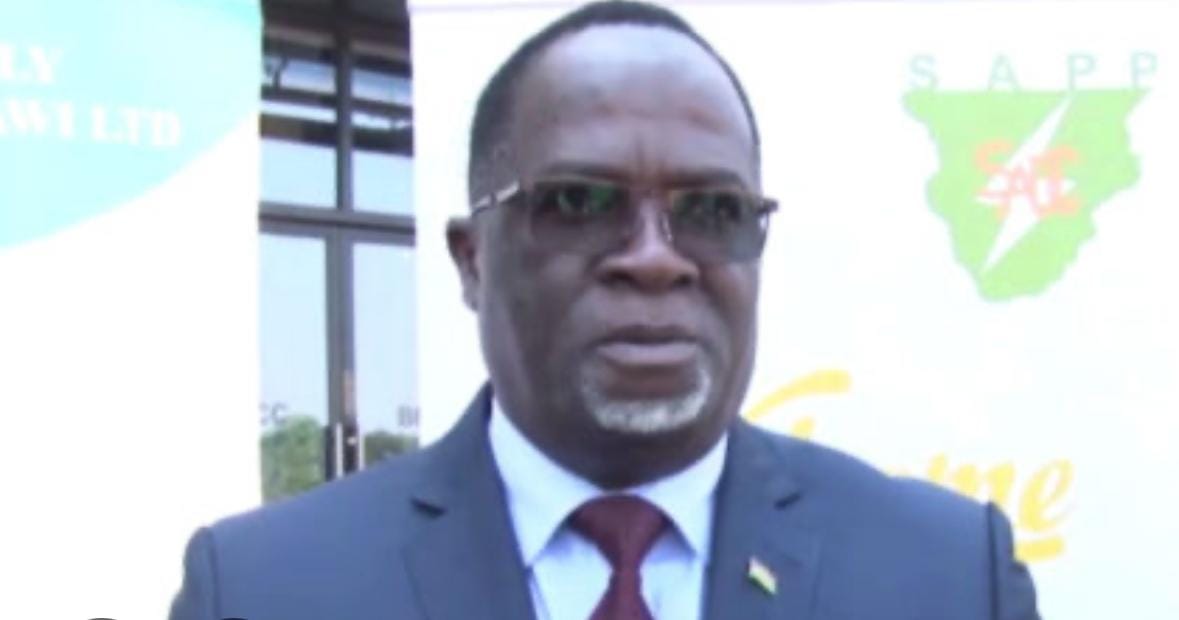
Speaking at the commissioning ceremony, Minister of Energy Jean Mathanga said the project addresses one of the country’s longstanding challenges: maintaining a stable electricity grid.
“For our grid to work efficiently, there was a need for a system to stabilise it. Today we have commissioned this facility, and we are confident it will contribute to a more stable electricity supply for the nation,” she said.
Mathanga said the project supports the government’s target of expanding electricity access by 2030 while reducing dependence on costly diesel-powered generation. She described the battery storage system as a key investment in strengthening Malawi’s energy infrastructure and supporting economic growth.
Funded by the Global Energy Alliance for People and Planet (GEAPP) at a cost of US$20.245 million, the project is the first utility-scale battery storage system in Malawi. It is expected to improve the reliability and flexibility of the national grid by storing up to 20MW of electricity generated from solar power during the day and feeding it back into the system during morning and evening peak demand.
Mathanga challenged ESCOM to build on recent improvements in electricity supply and use the investment to deliver tangible benefits to consumers.
“As the enabler of our industrial ambitions, ESCOM must ensure the wheels of our factories never stop turning and the lights in our hospitals never dim,” she said.
While acknowledging progress in reducing power interruptions, the minister urged the utility to work towards eliminating load-shedding altogether.
“We have suffered enough. We have promised enough. It is time to deliver. Let’s achieve zero load-shedding,” she said.
She also called on ESCOM to improve customer service by shortening response times and reducing the backlog of new electricity connection applications.
“I’m calling on ESCOM to pull up its socks and ensure customers receive electricity connections within the shortest possible time,” Mathanga told reporters.
The minister also recognised GEAPP, Jivo, Lahmeyer International, the Malawi Energy Regulatory Authority (MERA) and other partners for supporting the successful delivery of the project.
Chief Secretary Justin Saidi described the battery storage system as one of the government’s strategic investments to provide more reliable electricity for households, schools, hospitals and industry.
“The priority now is to ensure proper maintenance so that this investment delivers its intended benefits and supports Malawi’s transition to a more resilient energy sector,” Saidi said.
GEAPP Africa Vice President Carol Koech said the project reflects Malawi’s commitment to improving electricity access as part of a broader continental energy initiative.
“There are now about 36 countries participating in this initiative, each developing a national energy compact that outlines how they will expand electricity access. Malawi aims to increase electrification to 70% of the population by 2030,” she said.
Malawi’s electricity system remains heavily dependent on hydropower, making it increasingly vulnerable to climate change, erratic rainfall and prolonged droughts. Battery storage is expected to help manage these risks by making better use of renewable energy and improving the resilience of the national grid.
—
Also Read: Malawi’s ESCOM says load shedding to ease within 8 months
Related: MERA approves 12% electricity tariff hike as ESCOM seeks to stabilise power supply
Related: Lights out? Escom threatens blackouts while MEC declares readiness