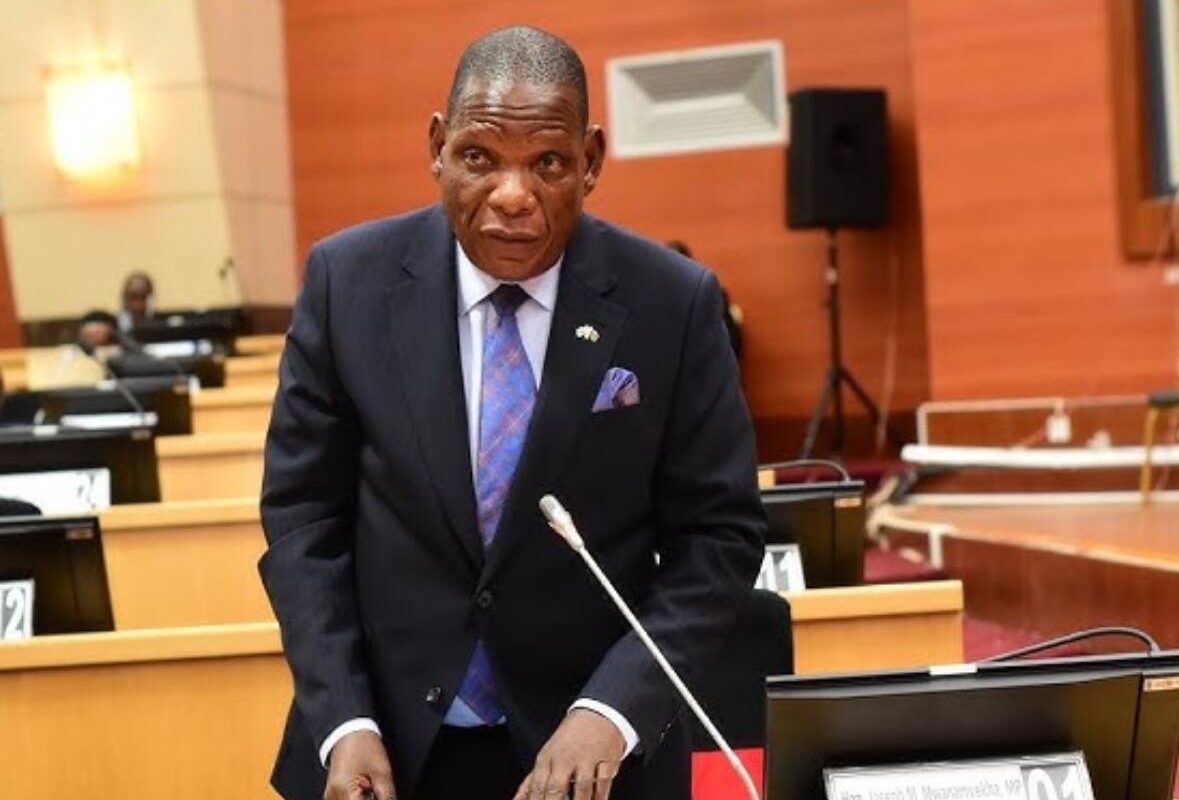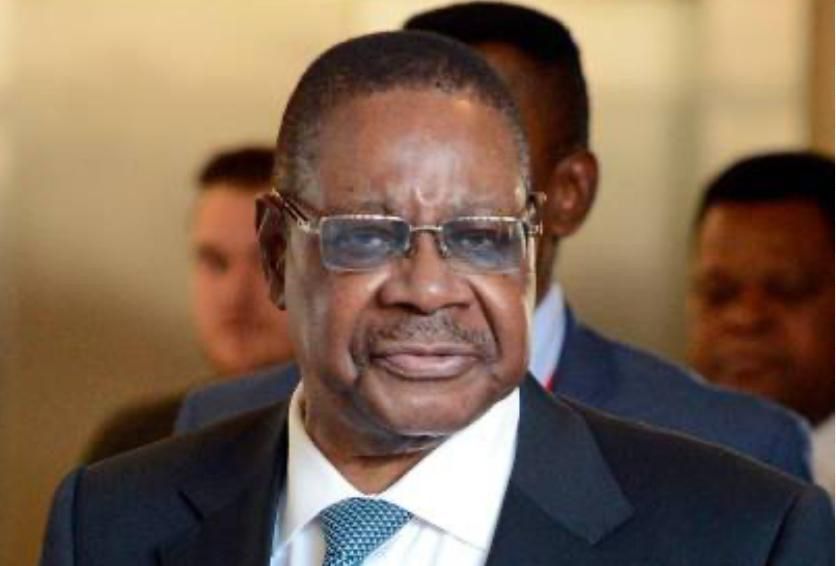

Opposition MP Felix Njawala has offered a practical solution to Malawi’s corruption-plagued passport system. The government’s willingness to listen is welcome, but only implementation — not promises — will restore public confidence.
EDITORIAL | Governance | The Forum
Parliament is at its best when good ideas win, regardless of who proposes them.
That is not always how politics works in Malawi. Too often, opposition proposals are dismissed because they come from the “wrong” side of the House. Governments have a habit of reminding critics that they, too, once occupied the Treasury benches and failed to solve the country’s problems.
There is some truth in that argument. Malawi has been governed by different parties over the years, each inheriting challenges from its predecessor while creating a few of its own. No administration has a monopoly on wisdom, and none has escaped blame.
But that cannot become an excuse for inaction.
Every government inherits yesterday’s problems. Its duty is to leave fewer problems for tomorrow.
That is why Mwanza Central MP Felix Njawala deserves credit for refusing to accept the passport chaos as just another Malawian inconvenience. His proposal is neither revolutionary nor expensive. It is common sense.
Give every passport applicant a number. Let every applicant know where they are in the queue. If number 1,100 applies before number 1,102, then number 1,102 should not walk away with a passport first unless there is a lawful and transparent explanation.
Simple.
In one stroke, such a system would expose queue-jumping, discourage bribery and make public officials accountable for the decisions they make.
When Minister of Homeland Security Peter Mukhitho stood in Parliament and described the proposal as “a very good idea”, many Malawians probably nodded in agreement.
The Forum did too.
Now comes the difficult part.
Implementation.
Malawians have heard enough announcements. Enough launches. Enough assurances that a new system is coming. Enough explanations about why the old system failed.
Promises are plentiful. Results remain scarce.
To his credit, Mukhitho did not stop at agreeing with Njawala. He spoke of electronic tracking, SMS updates, online services, WhatsApp integration and decentralised passport printing. These are sensible reforms. They should have been standard years ago.
But technology does not fight corruption by itself.
Political will does.
A transparent digital system simply makes it harder for dishonest people to hide. That is precisely why it should be implemented without delay.
This is also why Njawala must not let the matter disappear after one parliamentary exchange. Good opposition is not measured by the number of speeches delivered. It is measured by the persistence to return, ask again, demand progress and refuse to let promises gather dust.
Keep asking.
Keep demanding timelines.
Keep insisting on accountability.
That is what Parliament is supposed to do.
The same persistence is needed beyond passport reform. Malawians are still waiting for answers over the murders of two young doctors — one aged 33, killed last October, and another aged 28, killed this month. Citizens want to believe that the law protects everyone equally. They want institutions that work, investigations that conclude and justice that is visible.
Public confidence is not restored through speeches.
It is restored through action.
At The Forum, we have no interest in criticising government simply for the sake of criticism. Equally, we have no intention of applauding promises before they become reality. Our responsibility is to the public, not to the comfort of those in office.
Malawi is not condemned to dysfunction. It can build institutions that are fair, efficient and trusted. It can create systems where honesty is rewarded instead of punished.
Minister Mukhitho, your commitment is now on the parliamentary record.
Mr Njawala, stay locked in.
Keep the pressure on.
The country is watching, and Malawi deserves a government that delivers more than promises.
—
Also Read: Malawi weighs passport queue system to curb corruption and processing delays