NEWS | Energy | Environment | Climate Transition | Edwin Mauluka
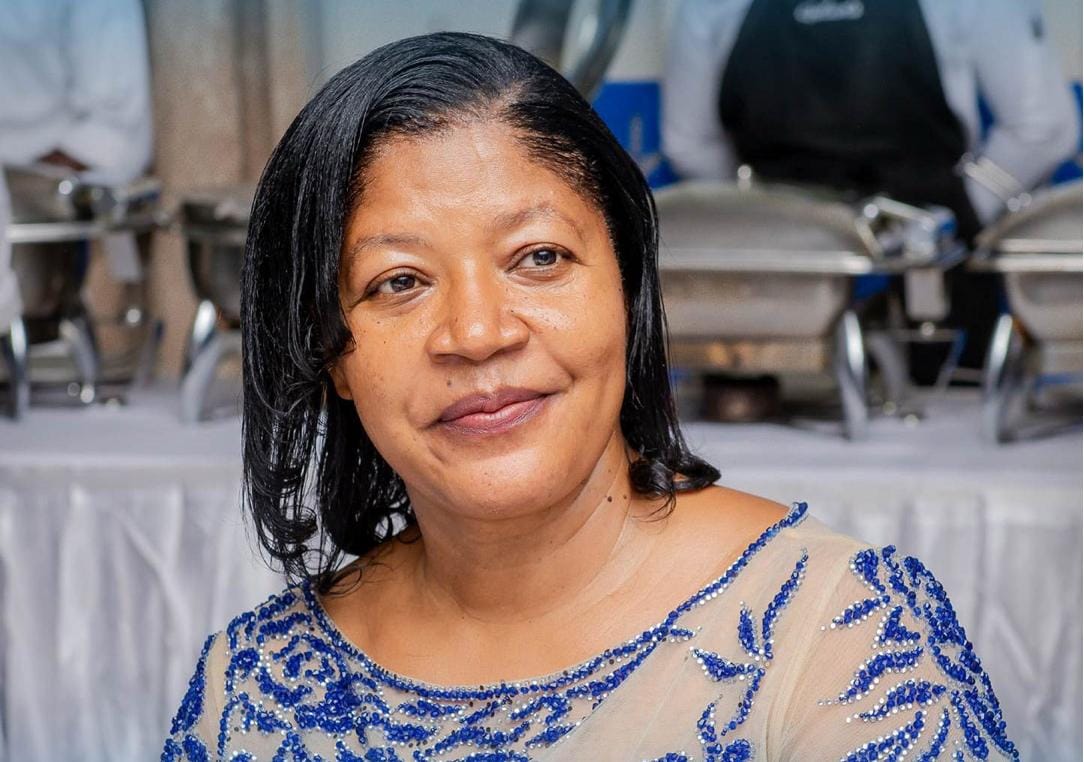
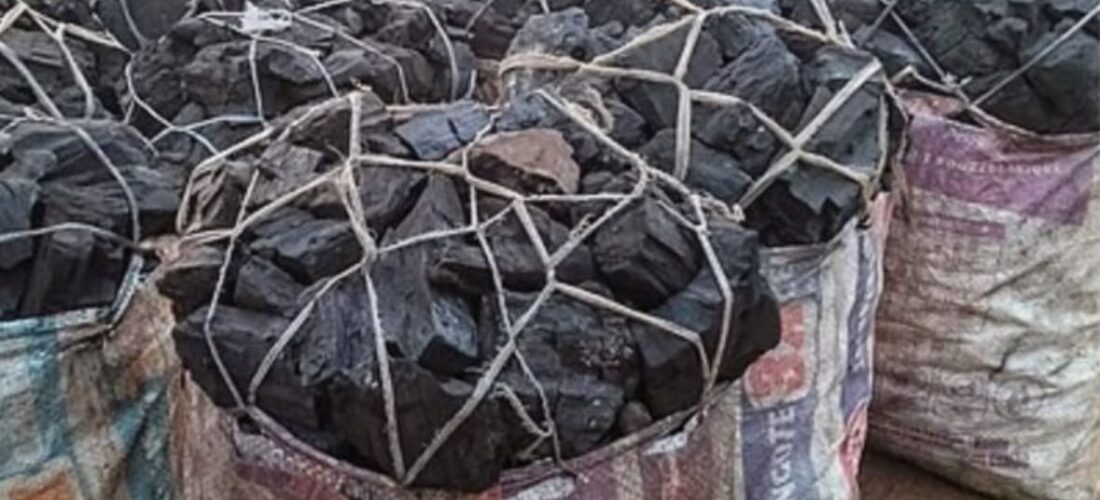
Malawi should remove taxes on clean cooking technologies to make cleaner fuels more affordable and reduce the country’s heavy dependence on charcoal, Irish Ambassador to Malawi Kate Brady has said.
Speaking on Monday during the launch of the Blue Flame Project, an ethanol storage facility in Blantyre, Brady argued that taxes on clean energy technologies are slowing Malawi’s transition away from charcoal at a time when the country urgently needs sustainable energy solutions.
“We think the government can do more to help Malawians access affordable clean fuels. For example, many of these technologies are subject to value-added tax. A tax waiver would make clean energy more affordable,” Brady said.
She said Ireland remains committed to supporting Malawi’s transition through the Green Economic Transition Facility (GEF), describing clean cooking as critical to reducing deforestation, improving public health and advancing the country’s environmental goals.
United Nations Development Programme (UNDP) Resident Representative Fenella Frost welcomed growing private sector investment in clean cooking technologies, saying it is essential to reducing charcoal consumption.
“The majority of cooking in Malawi still relies on charcoal. The question is how do we change that? One solution is stronger action against illegal charcoal production while expanding access to affordable alternatives that households, especially women, can use,” Frost said.
Under the UNDP-funded Blue Flame Project, implemented by B&P Investments, more than 500 households in Machinjiri, Blantyre, have switched from unsustainably produced charcoal and firewood to ethanol-powered stoves.
Director of Energy Services in the Ministry of Energy, Joseph Kalowekamo, said the government will continue engaging the Ministry of Finance to remove taxes on clean energy technologies as Malawi works towards having 75% of households using clean cooking solutions by 2030.
“About 98% of Malawian households still rely on biomass for cooking. This is driving deforestation, environmental degradation and air pollution that claims lives, with women and children bearing the greatest burden,” he said. “Transitioning to cleaner cooking solutions such as ethanol and liquefied petroleum gas (LPG) is essential to protect lives, preserve forests and improve the quality of life for millions.”
Kalowekamo said clean cooking remains a national priority under the Malawi National Energy Compact, which aims for 5% of households to use ethanol and 15% to adopt LPG by 2030.
He also acknowledged the support of UNDP and the Government of Ireland, through Irish Aid, for sustained investment in Malawi’s clean cooking programme.
As part of the initiative, officials from the Ministry of Energy, Ministry of Natural Resources, UNDP and the Malawi Revenue Authority toured B&P Investments and Gasman Limited in Chigumula, Blantyre, to assess progress in expanding access to cleaner cooking technologies.
The visit reviewed implementation progress and examined barriers to scaling up solutions designed to improve public health, reduce pressure on forests and expand energy access, particularly for women and low-income households.
With a US$300,000 matching grant from the Green Economic Transition Facility, Gasman Limited is constructing a 40-metric-tonne LPG storage facility. One 20-tonne storage tank has already been installed, while a second is awaiting installation.
The company also plans to roll out 4,500 affordable three-kilogram LPG starter cylinders aimed at making clean cooking more accessible to low-income families.
Under the National Energy Compact, Malawi aims to transition 75% of households to clean cooking by 2030, including 5% using ethanol and 15% adopting LPG, as part of wider efforts to improve energy security, protect forests and reduce harmful household air pollution.
—
Also Read: Norway reaffirms support for Malawi’s energy sector