EDITORIAL|The Forum
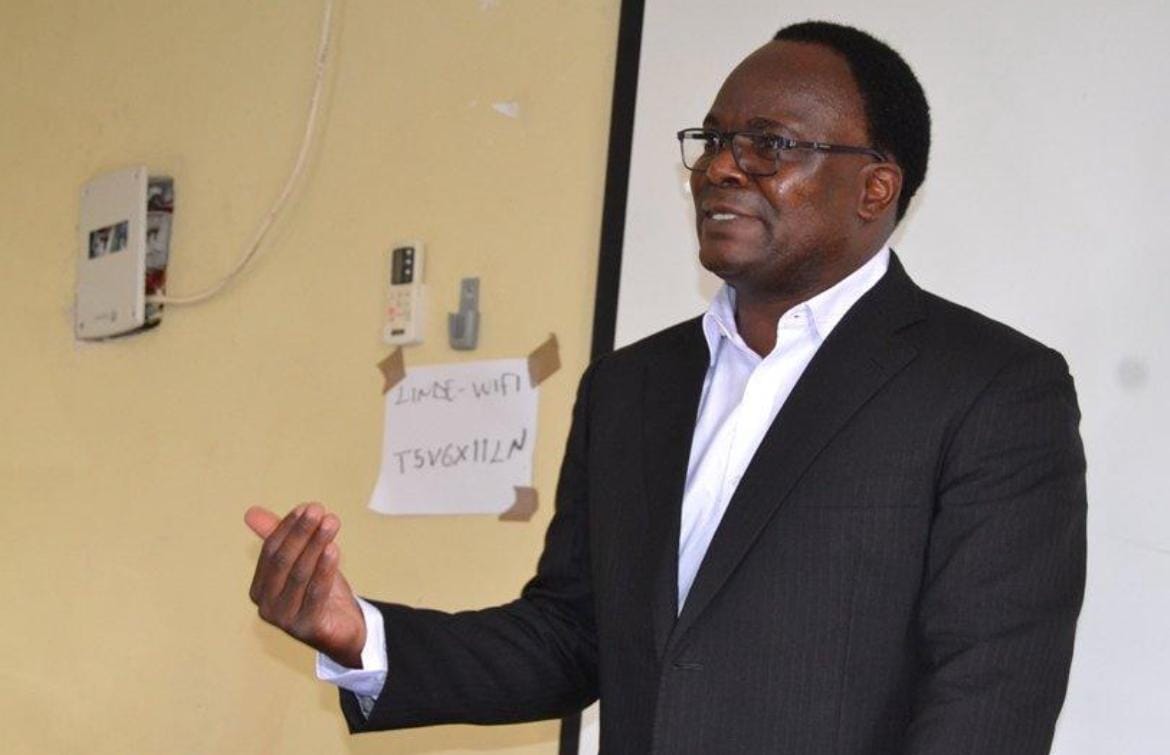
Paramount Chief Kyungu has urged dialogue instead of protest, arguing that the planned July demonstrations over the long-neglected Karonga–Chiweta stretch of the M1 could damage the economy.
“We say no to violent demonstrations whose scars are still fresh in Karonga. They destroyed our offices and public property in 2019,” Kyungu said.
His concerns would be justified if the planned demonstrations were intended to be violent. They are not.
The organisers, the Human Rights Defenders Coalition (HRDC), have stated that the demonstrations will be peaceful and lawful.
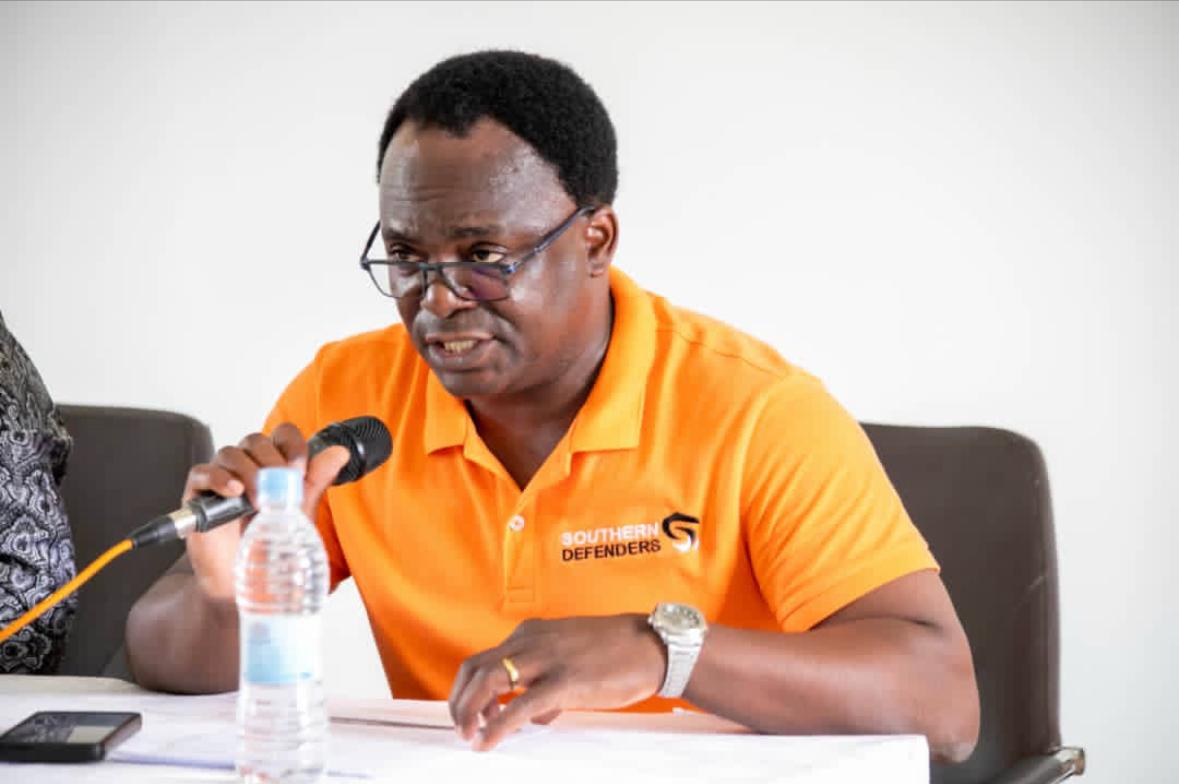
“Any action undertaken by HRDC will be peaceful, lawful, and firmly grounded in the principles of non-violence as provided under Section 38 of the Constitution of the Republic of Malawi,” HRDC chairperson Charles Kaiyatsa said. “The rehabilitation of the Karonga-Chiweta Road is not a favour from the government; it is a public obligation owed to the people of Malawi.”
Kyungu is not alone in opposing the demonstrations. The Karonga District CSO Network has also distanced itself from the protests, with its chairperson, Edgar Phiri, saying civil society organisations from Karonga, Chitipa and Rumphi are not involved.
But framing peaceful demonstrations as a threat simply because violence occurred during unrelated protests seven years ago risks discouraging legitimate civic action. That mindset has too often allowed governments to postpone difficult decisions without consequence.
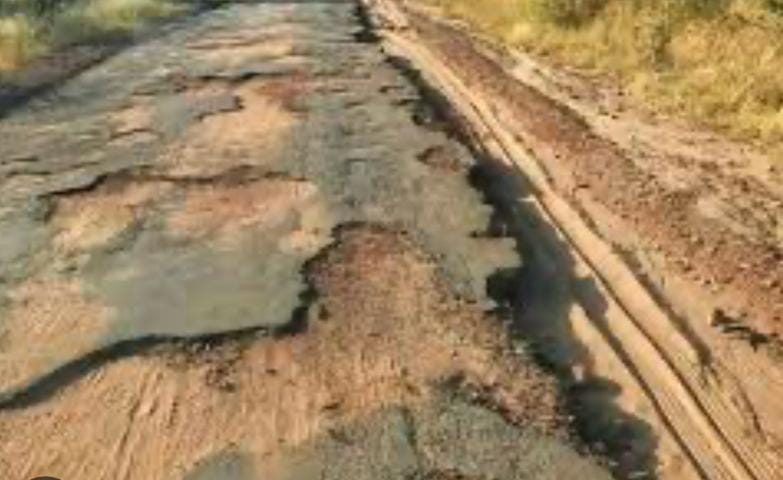
The state has promised for years to rehabilitate the Karonga-Chiweta Road. Every election cycle brings renewed pledges. Every administration acknowledges its importance. Yet the road remains neglected despite being one of Malawi’s most strategic transport corridors, linking the country to Tanzania and onward to vital seaports.
Dialogue is important. No reasonable person disputes that.
But dialogue and protest are not mutually exclusive. In fact, they are often most effective when they happen together. Peaceful demonstrations draw public attention, create political urgency and encourage leaders to come to the negotiating table. Dialogue then provides the mechanism for resolving the issue.
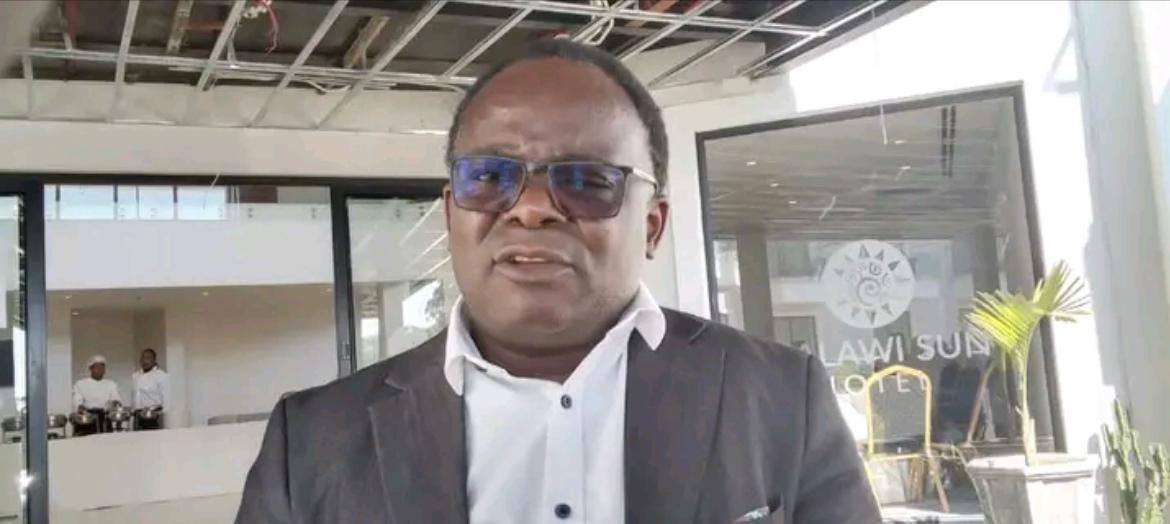
Government officials say progress is finally being made. Minister of Transport and Public Works Jappie Mhango and the Roads Authority say contractors have already been invited to bid and construction could begin within two months.
Malawians have heard similar assurances before.
That is precisely why citizens have every right to remain engaged and to hold those in power accountable until work actually begins. Peaceful protest is not an obstacle to development. It is often the catalyst that makes development happen.
The Karonga-Chiweta Road is not a regional concern or a political bargaining chip. It is national infrastructure that has been neglected for far too long. Citizens should not have to march to secure what the government has long promised to deliver.
But if marching is what it takes to ensure those promises are finally honoured, then peaceful protest deserves support, not suspicion.
HRDC, march on.
—
Also Read: HRDC defends planned Karonga-Chiweta road protest as chiefs urge dialogue