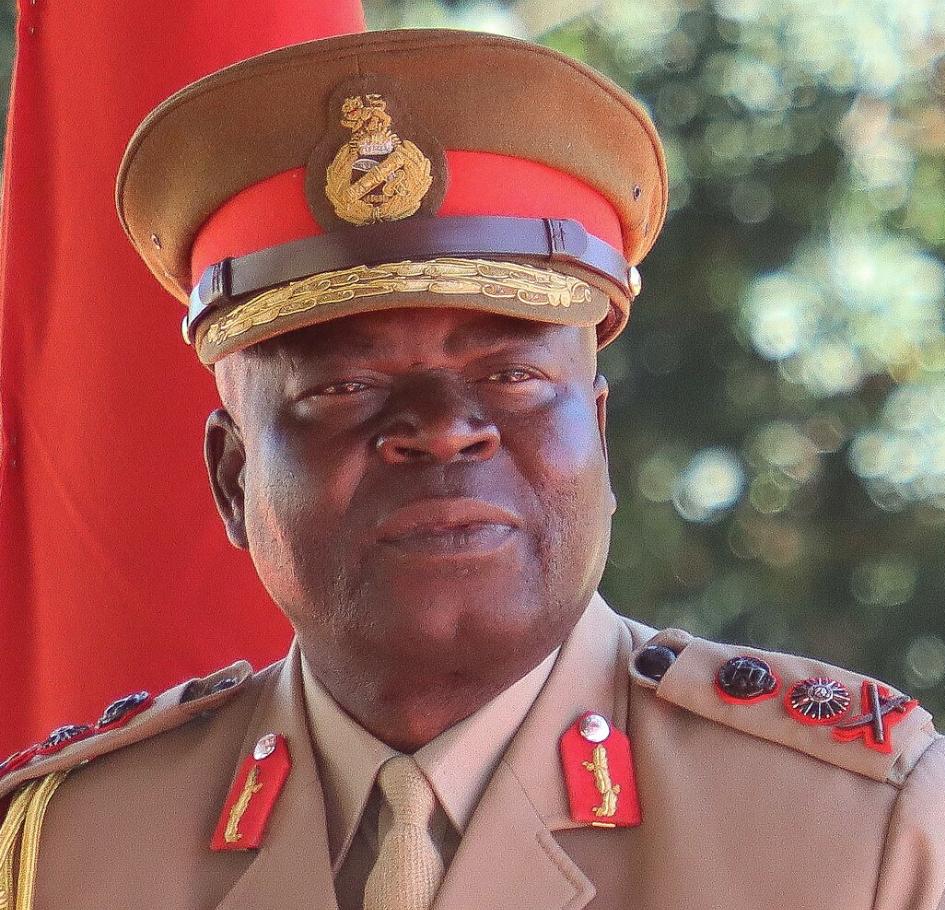
Former Malawi Defence Force Commander General Paul Valentino Phiri defended the military’s response to the June 2024 plane crash that killed Vice President Saulos Chilima, insisting search operations were adequate despite resource constraints, as a parliamentary inquiry descended into a tense exchange over accountability and whether he should have resigned.
NEWS| Parliament| Aviation| Edwin Mauluka
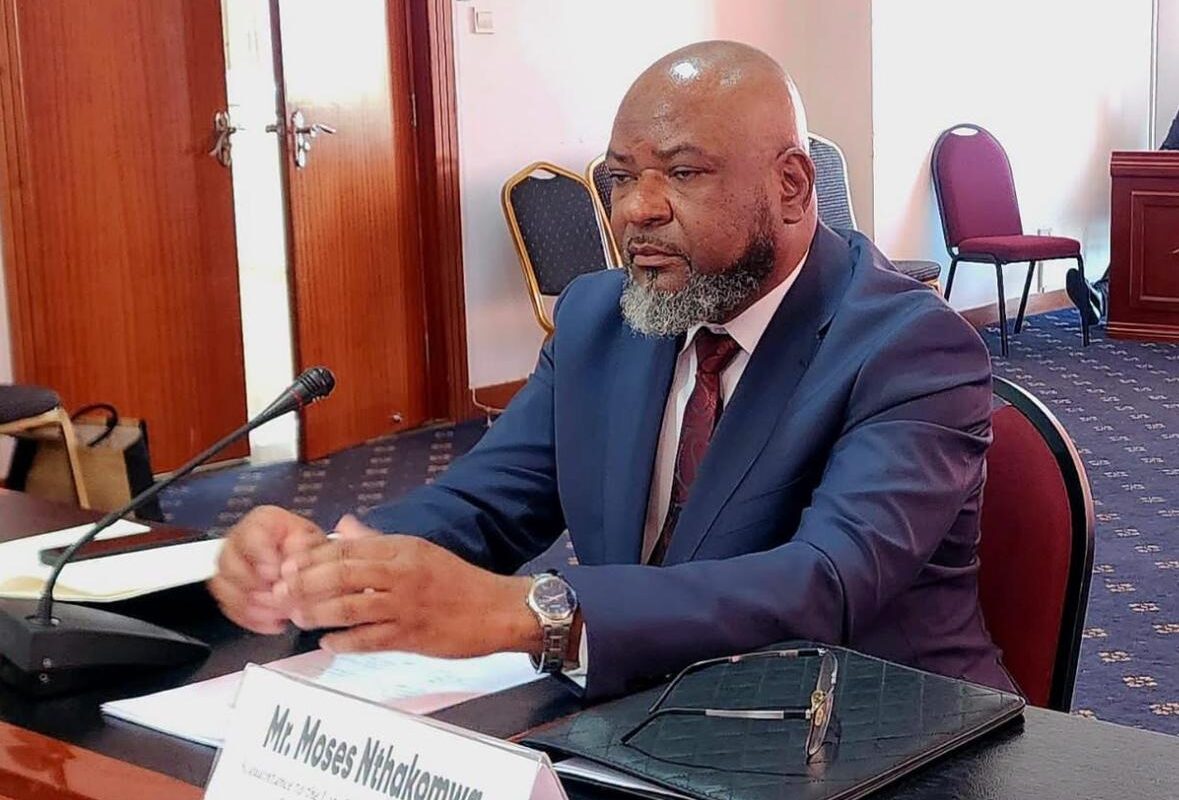
Tensions flared before the Parliamentary Ad-Hoc Committee investigating the June 2024 plane crash that claimed the lives of Vice President Saulos Chilima and eight others, as committee chair Walter Nyamilandu questioned whether former Malawi Defence Force (MDF) Commander General Paul Valentino Phiri should have resigned over the military’s handling of the tragedy.
Nyamilandu challenged Phiri over the scale and effectiveness of the search and rescue operation launched after the military aircraft disappeared over Chikangawa Forest.
“In your opinion, General, was the number of soldiers sufficient to conduct a search and rescue in Chikangawa and locate an aircraft that had gone missing in such a vast and densely forested area?” Nyamilandu asked.
Phiri defended the operation, saying 172 soldiers were initially deployed, with an additional contingent of more than 30 personnel arriving from Zomba.
“This number was actually good enough,” he said. “What I would call a company-plus. That brought the total to close to 200 personnel, which was sufficient to cover the search area if they were deployed efficiently and with a focused approach.”
The Malawi Air Force Dornier 228-202K, based at Zomba Air Base, crashed on June 10, 2024, at Nthungwa in Chikangawa Forest, killing Chilima, five other passengers and the three-member crew.
The committee has previously heard testimony that search operations were suspended overnight because of limited resources. Phiri disputed that account.
“If soldiers were already stationed in Chikangawa, I don’t see why anyone would order the search to stop,” he said. “The nature of military operations is to work day and night, in all weather conditions and across difficult terrain. If that claim is being made, it certainly did not come from me.”
However, Phiri acknowledged that the military’s overall operational readiness had been compromised by years of underfunding.
“Our level of preparedness was below the accepted standard because of inadequate funding,” he told the committee. “On several occasions we raised concerns with Parliament’s Defence and Security Committee about the need to upgrade our aircraft fleet and procure additional aircraft and supporting equipment.”
When asked whether the military command, including himself, had been negligent, Phiri avoided directly answering.
“I want to move away from the parameter of negligence,” he said.
Nyamilandu immediately pushed back.
“We can’t run away from it. That is exactly what this committee is examining. The conclusions we reach will depend on the evidence before us and your responses.”
The exchange intensified when Nyamilandu suggested that a series of failures surrounding the crash should have prompted Phiri to resign.
Phiri challenged the premise.
“Should I assume that the committee has already concluded that everything went wrong and, therefore, the commander should have resigned?” he asked.
Some committee members, including Lilongwe Mude MP Mphatso Boti and Dedza Kasina MP Joshua Malango, objected to the chairperson’s line of questioning, but Nyamilandu maintained his position.
“As far as I’m concerned, I have clearly advanced my position,” Phiri said. “I was doing my job, and I believe I was doing it properly. That is why I am able to explain everything from start to finish.”
Phiri also outlined the government’s response after the aircraft went missing.
He said then-President Lazarus Chakwera was informed at around 10:35am. Between 10:45am and 11:00am, Phiri travelled to State House to brief the President, who instructed him to coordinate with Secretary to the President and Cabinet Colleen Zamba.
A second meeting, held between noon and 1pm, included Zamba, former Inspector General of Police Merlyn Yolamu, former National Intelligence Service Director General Dokani Ngwira, former Chief of Staff Prince Kapondamgaga and former presidential aide Sean Kampondeni.
According to Phiri, Chakwera directed the Office of the President and Cabinet to engage telecommunications companies to help trace the mobile phones of those on board the aircraft.
The committee later heard from Deputy Air Force Commander Major General Harrison Kandula, who was serving in that role at the time of the crash.
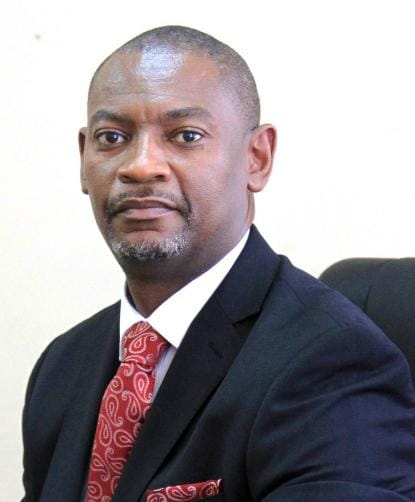
Kandula said radio communication with the aircraft was lost at about 10:10am as it approached Mzuzu, prompting an immediate search and rescue operation.
Before departure from Kamuzu International Airport that morning, he said, the crew had reported poor weather conditions and intended to obtain updated weather information before continuing to Mzuzu.
“At approximately 10:30 hours, I attempted to contact the crew by telephone, but the calls did not go through,” Kandula said. “It is normal practice for pilots to provide progress updates whenever possible.”
After failing to establish contact, he consulted the base operations officer, who also had no information about the aircraft’s position.
“About 30 minutes later, pilots had gathered in the operations room at Zomba Air Base to monitor the situation and assist in gathering information,” he said.
Kandula said air traffic controllers at Kamuzu International Airport and Mzuzu Airport also attempted to contact the aircraft, while inquiries were made with airfields in Likoma, Kasungu and Karonga to determine whether the aircraft had diverted.
By around midday, he said, the 11 Brigade in Mzuzu had been contacted, prompting the brigade commander to ask police posts across the Northern Region to look for any information that could assist in locating the aircraft.
He added that the Department of Civil Aviation declared an emergency and relocated its operations to Mzuzu to coordinate the search.
Search teams focused on an area about 20 nautical miles north of Mzuzu Airport after air traffic controllers identified it as the aircraft’s last known position. Reinforcements from Zomba, including Kandula, were dispatched to support the operation.
The wreckage was eventually located at about 11am on June 11, when one of the search teams reported its discovery to the Search Coordination Centre.
The committee also heard from Air Force Commander Major General Robray Ismael, who testified on technical issues surrounding the aircraft, including the absence of a flight recorder.
Earlier in the day, the committee heard from current MDF Commander General George Jaffu, who outlined reforms implemented by the military and lessons learned following the fatal crash.
—
Also Read: New Chilima crash inquiry seeks public evidence ahead of hearings
Related: Chilima crash probe may be extended as new witnesses emerge